I still remember a conversation with a commercial model who had been struggling to land print campaigns for over a year. She was constantly running between castings in New York, spending hours in waiting rooms, only to be told she wasn't quite the right fit. One day, a casting director noticed her perfectly arched, unblemished feet and asked if she had ever considered parts modeling. That chance encounter completely shifted her career. Today, she makes a very comfortable living solely from foot modeling campaigns for high-end shoe and jewelry brands.
Becoming a foot model isn't just about having nice feet—it's a specialized discipline that requires immaculate care, precise posing, and a strategic approach to marketing yourself. If you've been considering this niche, here is how you can build a sustainable career in parts modeling.
The Foundation: Impeccable Maintenance
Unlike traditional modeling where makeup artists and stylists can work magic on set, foot modeling demands perfection before you even walk through the door. This means strict, daily maintenance routines. You need to invest in high-quality moisturizers, avoid restrictive footwear that can cause blisters or calluses, and schedule regular professional pedicures. Many successful foot models even insure their feet and avoid activities that might put them at risk of injury. Your feet are your livelihood, and they must be treated as such.
Creating a Specialized Portfolio
When an agency or client is looking for a foot model, they don't want to dig through a general modeling portfolio filled with headshots and full-body editorials. They need to see a dedicated, easily accessible portfolio that highlights exactly what they are hiring you for.
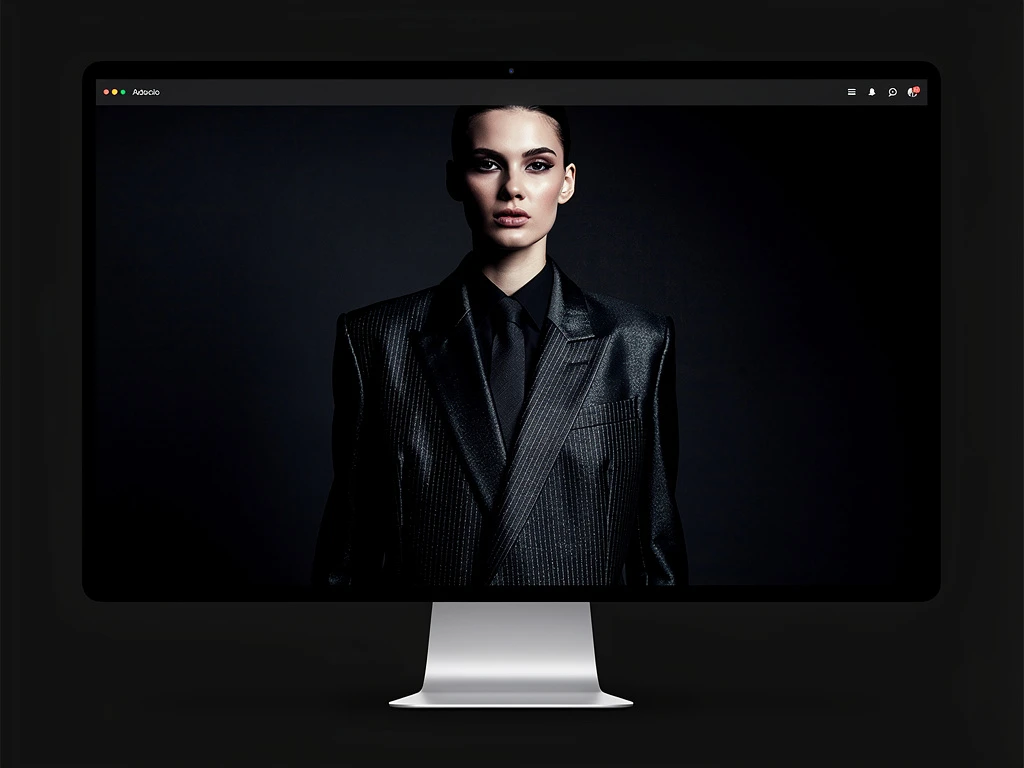
Your online presence is your digital comp card. It must look professional, load instantly, and showcase your best work in high resolution. Include a variety of shots: bare feet, wearing different styles of shoes (from stilettos to athletic wear), and interacting with props like sand, water, or fabrics. A clean, minimalist website design will ensure the focus remains entirely on your images.
Mastering the Poses
It might sound strange, but posing a foot requires as much skill as posing a face or body. You need to understand how to point your toes to elongate the leg line without looking tense. You must know how to flex the arch, relax the toes, and position the ankle to avoid awkward shadows. Practice in front of a mirror and study the campaigns of major footwear and jewelry brands. Understanding the nuances of tension and relaxation will make you a much more valuable asset on set.
Navigating Agencies and Castings
While some commercial agencies represent parts models, you may have more success approaching specialized agencies that deal explicitly with hand and foot talent. When submitting your portfolio, include clear, unedited digitals of your feet from multiple angles (top, bottom, sides) under natural lighting.
At castings, professionalism is key. Arrive with clean, bare nails (or a neutral polish if requested), bring a pair of loose-fitting shoes to wear while waiting so you don't arrive with strap marks, and always carry a basic care kit with moisturizer and a pumice stone.
Building your specialized portfolio doesn't have to be complicated. With Portfoliobox, you can create a stunning portfolio website tailored for parts modeling in minutes — no coding required.