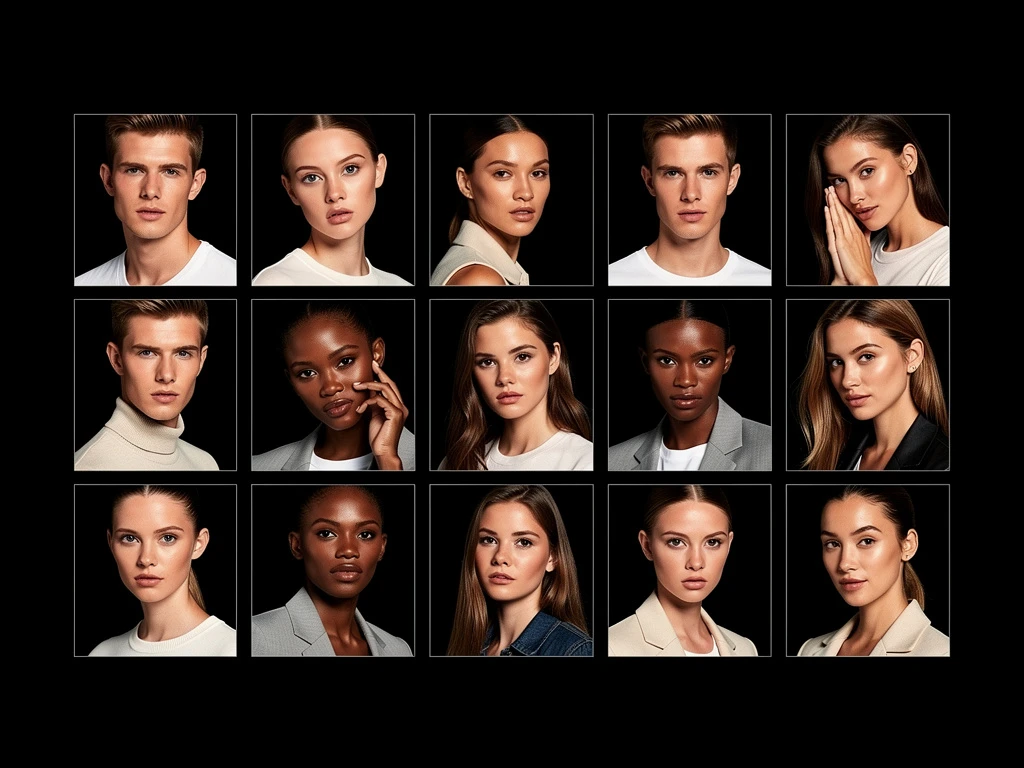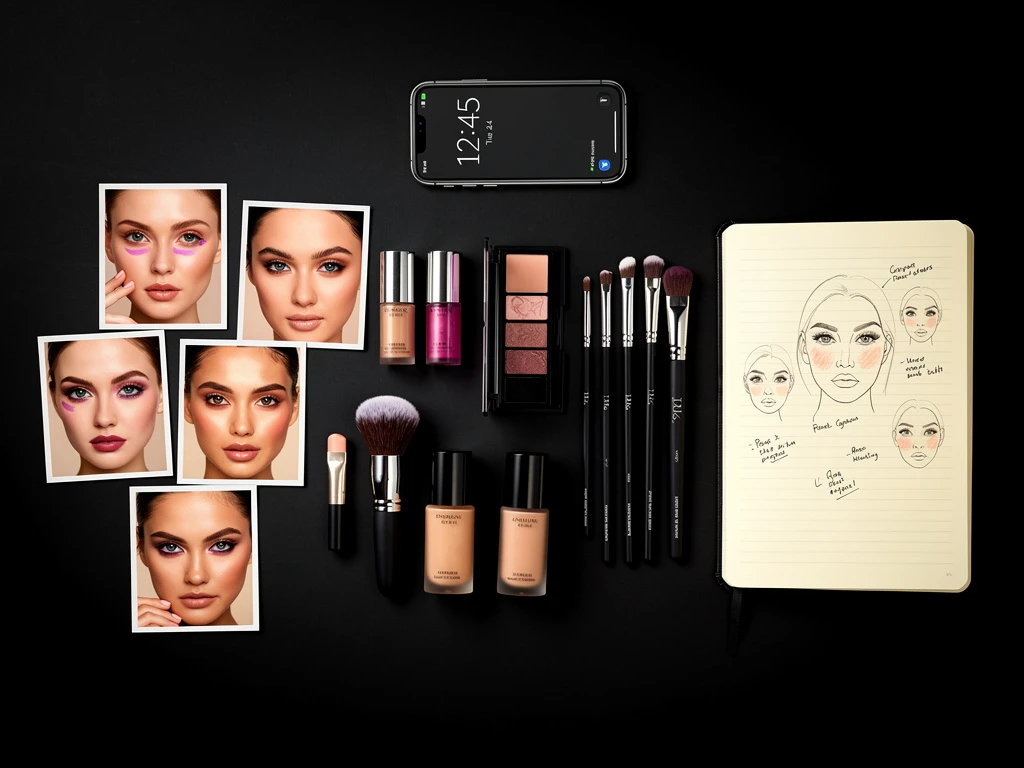
The beauty industry is fiercely competitive. While everyday makeup applications focus on enhancement, high-end editorial makeup, avant-garde looks, and special effects (SFX) are forms of fine art. If you treat your work like art, you must present it like art.
Standard template websites often fail to capture the nuance, texture, and color theory behind advanced makeup artistry. To command the attention of major fashion publications, commercial directors, and high-paying clients, you need to build a dedicated art portfolio website. Here is a step-by-step guide to constructing a digital gallery that honors your craft.
1. Prioritize High-Resolution Texture
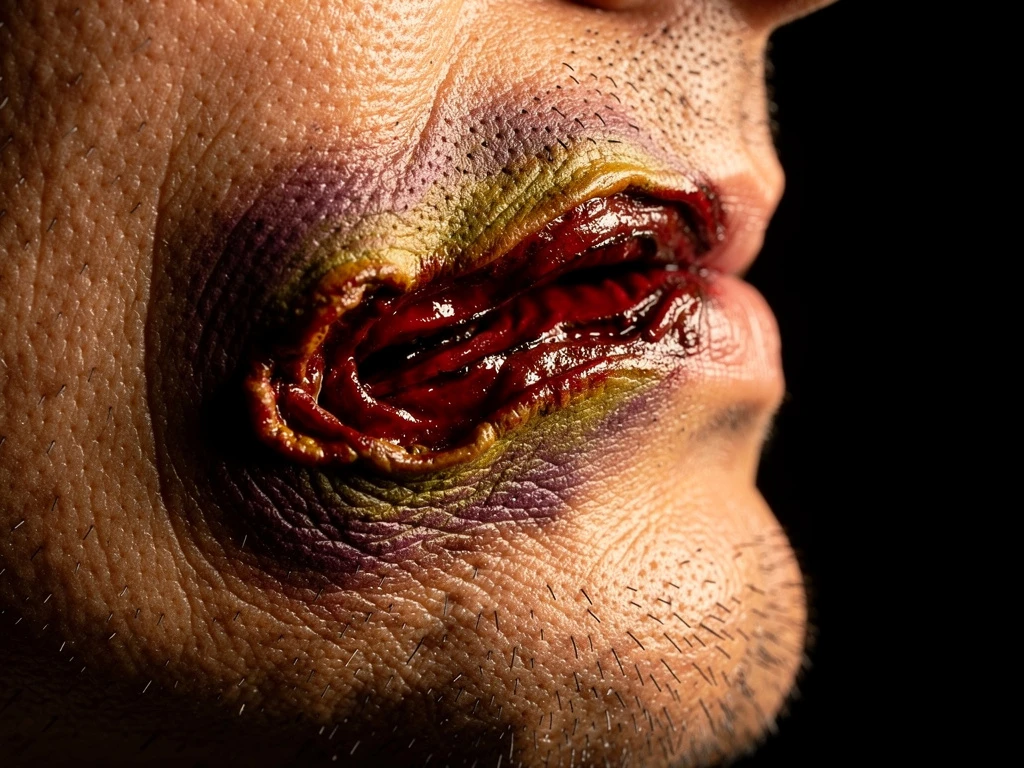
In fine art, texture is everything. In makeup artistry, the texture of the skin—the dewiness of a highlight, the matte finish of a contour, the precise edge of a graphic liner—is what separates an amateur from a master.
Your art portfolio website must be capable of rendering uncompressed, high-resolution imagery. Avoid platforms that aggressively compress your photos to save server space. When an art director zooms in on a macro beauty shot, they need to see the flawless blending of the pigments, not a pixelated blur. Ensure your host prioritizes image quality above all else.
2. Utilize "White Space" as a Design Element
When you visit a high-end art gallery, the paintings are not crammed together on a wall. They are given space to breathe, allowing the viewer to appreciate each piece individually. Your digital portfolio should operate on the same principle.
Embrace "white space" (or negative space) in your web design. Do not crowd your pages with cluttered grids or distracting animations. A minimalist design acts as an invisible frame, directing the viewer's entire focus to the vibrant colors and intricate details of your makeup work.
3. Curate Thematic Collections
Do not dump all of your tear sheets onto a single, endless scrolling page. An art portfolio website should be organized into deliberate, thematic collections (galleries).
As a makeup artist, categorize your work logically:
- Macro Beauty: Extreme close-ups focusing on skin, lips, and eye details.
- Avant-Garde: Your highly conceptual, experimental editorial looks.
- Cinematic SFX: Character creation and prosthetics.
- Commercial Lifestyle: Clean, natural looks for advertising.
This structure allows a casting director to navigate directly to the specific style of art they are looking to commission.
4. Integrate Motion Seamlessly
Makeup is not a static medium; it exists on a living canvas. The way light interacts with a metallic pigment as a model turns her head cannot be fully captured in a photograph.
Your portfolio must integrate high-quality video seamlessly. Incorporate short, looping video clips (cinemagraphs) or full behind-the-scenes reels to demonstrate how your artistry performs in motion. A stunning video header on your homepage instantly elevates the perceived value of your brand.
5. Include Contextual Project Descriptions
Fine art often requires context. When displaying a major editorial spread or a complex SFX character, include a brief description of the project. Mention the publication, the creative director you collaborated with, and the brief you were given. This demonstrates that you are a collaborative artist who understands the broader creative vision of a campaign.
Building a gallery-worthy presentation doesn't have to be complicated. With Portfoliobox, you can create a stunning, minimalist art portfolio website designed specifically for visual creatives in minutes — no coding required.