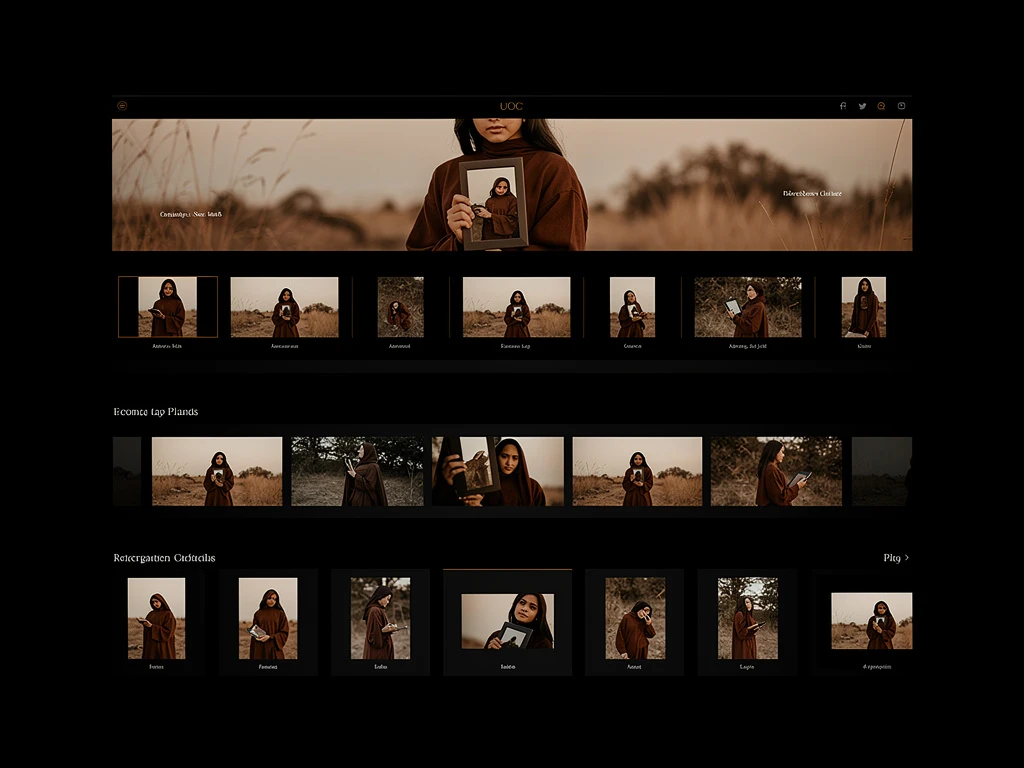
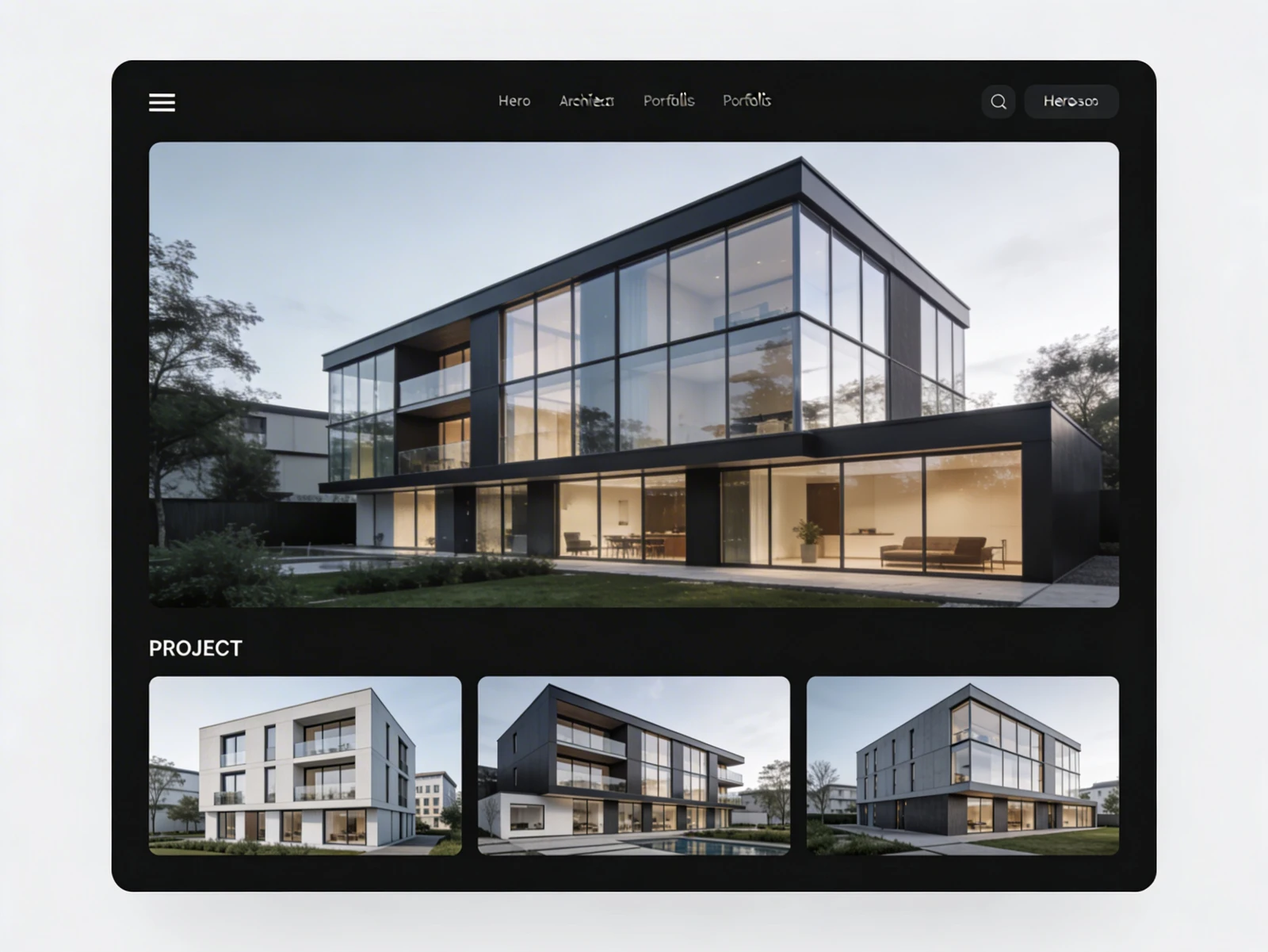
In the modern freelance economy, the phrase "Drag and Drop" is heavily marketed as the ultimate web development luxury.
Massive corporate website builders (most notably Wix) command entirely global market shares by promising absolute physical freedom: "You can drag any button, any image, or any line of text exactly where you want it on the screen, and it will stay there." This specific functionality is brilliant for a local dental office or a small pizza restaurant trying to build a quick, colorful landing page.
However, for a visual professional (a freelance illustrator, a corporate graphic designer, or a gallery painter), this "freedom" is actively toxic. The B2B expectation for a creative professional is infinitely higher than a local business. A Creative Director expects a portfolio interface to be mathematically flawless, lightning-fast, and architecturally brilliant. Drag-and-drop interfaces frequently fail these exact metrics. Here is why the high-end creative industry aggressively searches for Wix alternatives, and how native grids fundamentally restore B2B corporate logic.
The 'Absolute Positioning' Failure
The underlying code required to execute "Drag and Drop" is called Absolute Positioning.
The Freelance Danger: If an illustrator needs to upload twenty massive, high-resolution graphic design case studies to a standard Wix template, they are forced to rely on their own human eye to line them up.
If they accidentally drag 'Painting #15' exactly two pixels lower than 'Painting #16', the entire horizontal grid looks crooked. If a corporate Art Director notices crooked margins on a graphic designer's portfolio website, they immediately reject the designer for lacking attention to detail.
The Smart Grid Alternative: To survive B2B scrutiny, creatives must transition to platforms utilizing "Smart Grids." (platforms like Portfoliobox). You never drag-and-drop imagery. You simply upload the twenty files into a central folder. The platform’s internal CSS matrix mathematically calculates the structural geometry, assigns identical margin padding to every single image down to the decimal point, and snaps them natively into place. The grid is structurally flawless every single time.
The "Mobile Breakage" Crisis
Building a beautiful drag-and-drop layout on a massive desktop monitor is incredibly satisfying.
The tragedy occurs when an Agency Executive attempts to view that exact website on their iPhone. Because you dragged an image into a highly specific absolute position on a massive screen, the mobile-browser has no idea what to do with it. The browser frequently attempts to violently squish your carefully placed text directly over the top of your heavily stylized artwork, rendering the interface unreadable and completely broken.
The Native Alternative: Specialized portfolio alternatives deploy "Liquid Response" architecture natively. Because you are not utilizing absolute positioning, the grid inherently understands the mathematical hierarchy of the screen size. When a Creative Director switches from an iMac to an iPhone, the Portfoliobox algorithm intelligently unwraps the horizontal graphic design layout, restacking it flawlessly into a perfect vertical mobile presentation instantly.
Escaping 'Algorithmic Weight'
A secondary consequence of the Drag-and-Drop universe is "Code Weight."
To enable you to drag a button anywhere, Wix has to load thousands of lines of heavy JavaScript onto the client's web browser just to power the interaction.
If a portfolio is completely weighed down by heavy background scripts, it suffers massive server lag. If an Art Director has to wait six seconds for a massive template to stop 'loading', they will hit the back button and hire someone else (this is known as the Bounce Rate).
Protecting your massive commercial artwork requires ruthless, stripped-down engineering. By pivoting their architecture to Portfoliobox, independent visual originators escape the bloated, laggy open-source templates, utilizing lightning-fast uncropped masonry algorithms prioritizing the massive rendering of art above all structural gimmickry — no coding required.