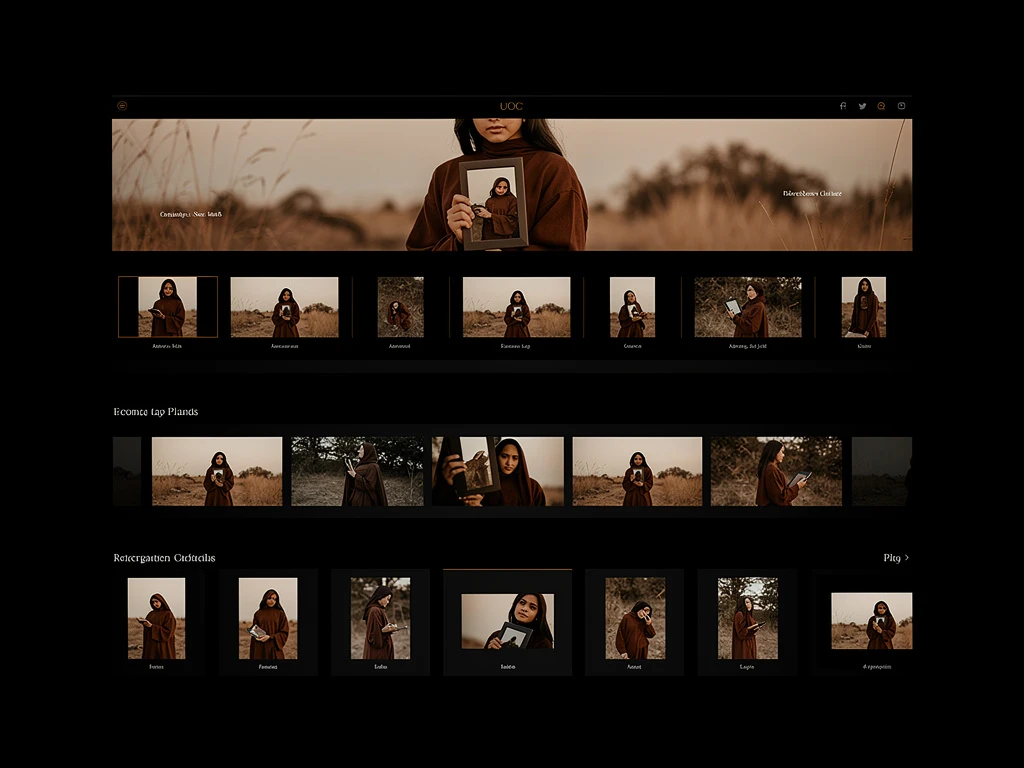
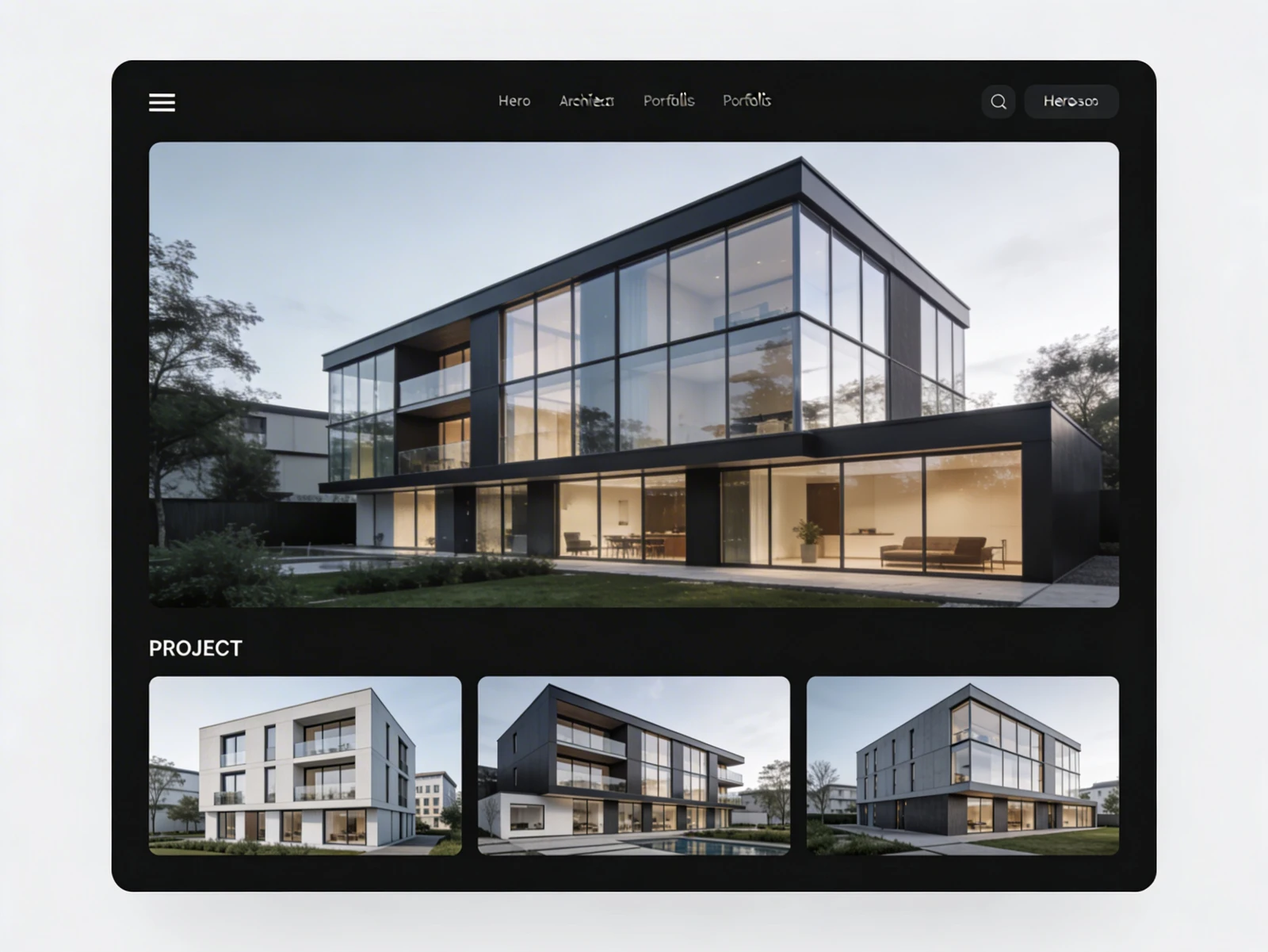
When a graphic designer, illustrator, or videographer decides to upgrade their career from "amateur hobbyist" to "corporate enterprise," their first objective is usually building a website.
Desperate for simplicity, they frequently turn to platforms like Weebly. Because Weebly powers millions of incredible small businesses (like neighborhood bakeries, local law firms, and hardware stores), creatives inherently trust the infrastructure. The UX is notoriously simple, the servers are stable, and the learning curve is practically non-existent.
However, visual creatives are not local hardware stores. A hardware store utilizes text to sell physical commodities. A creative utilizes incredibly complex, massive visual architecture to sell intellectual capability. When a creative entrepreneur forces their agency into a generic small-business container, the resulting friction fundamentally limits their corporate growth. Here is the operational reality of the Weebly vs Portfoliobox architectural debate.
The 'Text-First' vs 'Media-First' Reality
The fundamental DNA of a website builder is exposed by its native templates.
The Weebly Architecture: Because Weebly serves millions of service-based businesses (like plumbers or local fitness coaches), its templates are rigidly Text-First. The layouts are explicitly designed to display massive paragraphs of text detailing "Store Hours, Location, and Services Offered," flanked by one or two incredibly small, generic stock photos.
If a fashion photographer attempts to upload thirty massive, 4K resolution portrait photographs onto a Weebly template, the web-builder panics. It forcefully aligns the images into tiny, awkward, symmetrical squares, completely ruining the massive cinematic scale the photographer intended.
The Portfoliobox Shift: Portfoliobox is engineered exclusively for creatives, which means its underlying architecture is radically Media-First. The platform assumes you want the artwork to dominate. It fundamentally strips away text boxes, borders, and margins, deploying "Uncropped Layouts." You can upload a tiny horizontal sketch directly beside a massive vertical oil painting, and the grid will mathematically wrap around the raw aspect ratios effortlessly, prioritizing your visual chaos over generic text boxes.
Digital Expansion (Adding Sub-Galleries)
A successful commercial enterprise scales rapidly. A corporate branding agency might start by showing just five logos on their homepage. A year later, they need to show fifty.
The Small-Business Strain: If you need to add an entirely new portfolio branch to Weebly (for example, creating a dedicated URL sub-page simply to show off 3D Architectural Renders), you have to build an entirely new web page from scratch using their massive drag-and-drop editor. You have to manually align the navigation, drag the image blocks, and guess the margins all over again.
The Native Engine Reality: Portfoliobox relies on "Dedicated Gallery Modules." If the agency needs to add a new 30-image architectural 3D gallery, they simply click "Add Gallery." They upload the thirty JPEGs. The algorithm natively builds the entire web page, formats the masonry grid, perfectly spaces the margins, and seamlessly injects the link into the Master Navigation menu in roughly two seconds. It completely removes the labor of "web design" from the scalable process.
Discarding E-Commerce Bloat
To justify premium monthly subscriptions, massive platforms like Weebly bundle hundreds of aggressive small-business tools together: restaurant menu widgets, shipping label generators, and massive inventory-tracking algorithms.
An editorial illustrator does not need a restaurant menu widget. A 3D animator does not need a shipping label generator. If you are a visual creative utilizing generic templates, you are paying a massive corporate tax for logistics you will literally never use.
Escaping generic templates requires adopting software built exclusively for your specific industry. By launching their creative LLCs on Portfoliobox, ambitious originators bypass the bloated, text-heavy architectures entirely, securing the unmetered gallery modules and uncompressed image matrices required to validate high-end B2B corporate visual sales — no coding required.