When building a professional design portfolio, you need a platform that understands the nuances of presenting visual work. You need a space that highlights your UI/UX case studies, branding projects, and graphic design without getting in the way. In the realm of platforms built specifically for creatives, two names frequently dominate the conversation: Format.com and Portfoliobox.
Both platforms promise to help you launch a stunning website without writing a line of code. Both cater heavily to the creative industries. However, when you dig beneath the surface, their core architectures, user experiences, and pricing models reveal distinctly different approaches.
If you want to ensure your work is presented flawlessly to art directors and potential clients, this comprehensive Format.com vs Portfoliobox comparison will break down exactly which platform is the ultimate web builder for design professionals.
The Core Philosophies
Understanding the foundational philosophy of a platform helps you understand how it will feel to use it daily.
Format.com was originally built with a heavy focus on photography. Over the years, it has expanded to include templates for designers, illustrators, and artists. Its interface is generally structured around standardizing the presentation of image galleries. It offers a solid, if sometimes rigid, framework for getting images online quickly.
Portfoliobox was built from the ground up as a multi-disciplinary portfolio tool. It recognizes that modern creatives are rarely confined to a single medium. A designer might need to showcase a massive, multi-layered UI case study on one page, a video reel of motion graphics on the next, and a simple gallery of logo marks on the third. Portfoliobox is designed to offer structural flexibility across the entire site, not just within a gallery.
Feature-by-Feature Comparison
Let's look at how Format.com vs Portfoliobox compare in the features that matter most to working designers.
1. Template Flexibility and Customization
Format.com: Format offers a curated selection of clean templates. However, the customization within those templates can sometimes feel restrictive. If you choose a specific theme, you are largely locked into the structural logic of that theme. For photographers simply uploading a batch of wedding photos, this rigidity is fine. But for a designer trying to weave a complex narrative about their design process, typography choices, and wireframes, hitting a formatting wall can be incredibly frustrating.
Portfoliobox: Flexibility is where Portfoliobox truly excels. Rather than locking you into a rigid theme, Portfoliobox allows you to mix and match different layouts on a page-by-page basis. You can have a horizontal scrolling gallery for your branding work, a masonry grid for your illustrations, and a deep, multi-column text layout for your UX case studies, all within the same website. This granular control over the layout empowers designers to present each project exactly as they envision it.
2. Presenting Deep Case Studies
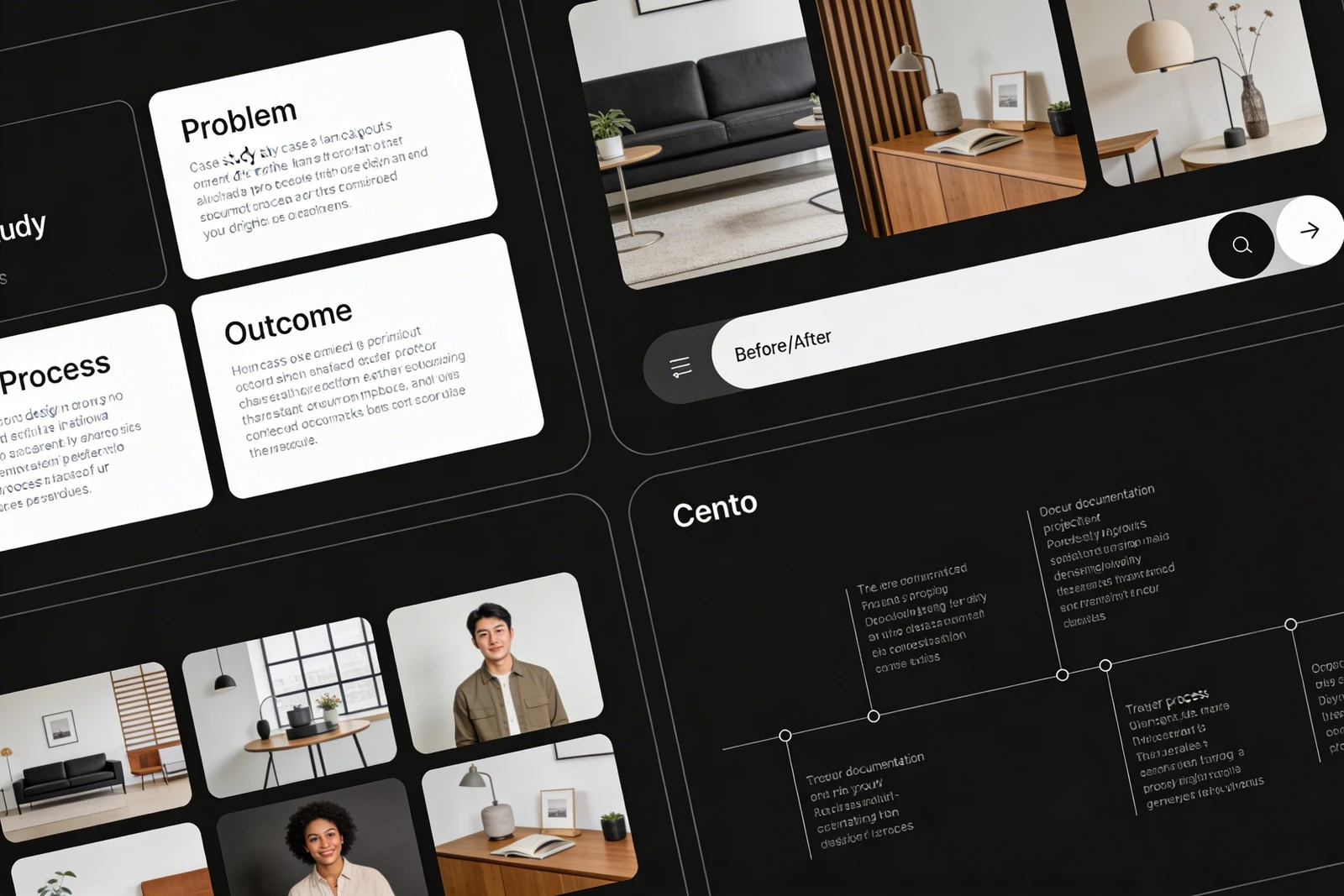
Format.com: Because its roots are in photography, Format handles single-image presentation beautifully. However, when a designer needs to build an in-depth case study—mixing large hero images, explanatory paragraphs, embedded Figma prototypes, and before-and-after sliders—Format's page builder can sometimes feel clunky, forcing designers to compromise on their desired layout.
Portfoliobox: Portfoliobox is built to handle the depth required by modern design portfolios. It provides specific, text-and-image integrated layouts designed expressly for explaining methodology and creative problem-solving. You can build comprehensive case studies that read like editorial features, ensuring that recruiters and agency directors understand your process, not just the final glossy image.
3. E-commerce and Business Tools
Format.com: Format offers e-commerce capabilities, but they are often tiered. To access advanced store features or client proofing tools, you are frequently required to upgrade to their most expensive premium plans. For a freelance designer looking to sell prints or digital assets on the side, this can cut deeply into profit margins.
Portfoliobox: Portfoliobox includes robust e-commerce tools natively. Whether you want to sell physical products, digital downloads, or even book consulting sessions, the tools are built into the platform without requiring massive subscription upgrades. It is designed to be a complete business hub for the independent creative.
Pricing Structures
For independent designers and freelancers, monthly overhead is a critical consideration.
Format.com: Format's pricing is tiered, and while their entry-level plan seems affordable, it comes with significant limitations on the number of images and pages you can host. To unlock the storage required for high-resolution case studies and full e-commerce functionality, you are pushed into their Pro or Pro Plus tiers, which are priced at a premium.
Portfoliobox: Portfoliobox offers a highly transparent, competitive pricing model. Their plans provide incredible value, offering unmetered bandwidth, massive storage capacities, custom domain connectivity, and full e-commerce functionality at a price point that is significantly more accessible for working freelancers. You get premium, professional features without the premium price tag.
Who Each is Best For
Choose Format.com if:
- You are primarily a photographer who occasionally does design work.
- You want a highly standardized, rigid template that requires very few layout decisions.
- You do not need to present deep, text-heavy UX or branding case studies.
Choose Portfoliobox if:
- You are a dedicated design professional (UI/UX, Graphic, Product) who needs to showcase complex creative processes.
- You value the flexibility to mix different page layouts and structures within a single website.
- You want to build deep, editorial-style case studies that explain your methodology.
- You need a cost-effective platform that includes robust e-commerce and business tools without forcing expensive upgrades.
The Verdict
Both platforms will get your work online, but they serve different mentalities. Format.com acts as a clean, somewhat rigid frame for images.
In the Format.com vs Portfoliobox matchup, Portfoliobox emerges as the superior tool specifically for design professionals. Its page-by-page flexibility, superior handling of deep case studies, and transparent pricing make it the ultimate platform for designers who want total control over their digital identity.
Stop compromising on how your design work is presented. With Portfoliobox, you can build a portfolio that reflects your true capabilities in minutes — no coding required.