For years, Dribbble has been the de facto town square for the global design community. It's an incredible platform for discovering UI/UX trends, finding inspiration, and occasionally catching the eye of a recruiter scrolling through the feed. But there is a massive difference between a social networking platform for designers and a professional, client-facing portfolio website.
As designers evolve from creating quick visual concepts to executing complex, multi-layered brand and product systems, they often realize they've outgrown the limitations of a feed-based platform. If you find yourself frustrated by character limits, cropped thumbnails, and the inability to tell the full story of your design process, you are likely searching for a Dribbble alternative.
Here is a deep dive into why serious design professionals are moving away from community feeds and choosing Portfoliobox to build their digital identity.
Why Designers Outgrow Dribbble
Dribbble was built for "shots"—bite-sized glimpses into what a designer is working on. While this format is highly engaging and built for virality, it actively works against the way high-level design should be presented to paying clients.
The Context Problem
Design is not just about making things look pretty; it's about solving complex business problems. When an agency director or a startup founder is looking to hire a lead product designer, they don't just want to see a beautifully rendered login screen. They want to see the wireframes, the user flow diagrams, the failed iterations, and the final data proving the design was successful.
Dribbble's format forces designers to compress complex case studies into a few attached slides and a brief description. It simply does not allow for the depth required to showcase true design thinking.
The Attention Economy
When a potential client views your work on Dribbble, they are constantly surrounded by the work of your competitors. The interface is designed to keep users on the platform, suggesting "similar shots" and "more from other designers" right below your work. You are fighting a losing battle for the client's attention. A professional portfolio should be a walled garden where the only work a client sees is yours.
What Professional Designers Actually Need
When moving away from a feed-based platform, designers need a space that respects the depth of their work. They need:
- Unrestricted Case Studies: The ability to combine long-form text, massive images, embedded Figma prototypes, and video walk-throughs to explain their methodology.
- Total Brand Control: The freedom to customize the typography, layout, and color scheme of the portfolio to match their unique design aesthetic, rather than conforming to a platform's rigid UI.
- Professional Positioning: A custom domain name (e.g., yourname.com) and a distraction-free environment that signals to clients that they are dealing with an established business entity, not just a freelancer posting concepts.
How Portfoliobox Fills the Gap
As a dedicated Dribbble alternative, Portfoliobox is engineered specifically to solve these problems for creative professionals. It provides the infrastructure necessary to elevate your brand from a "Dribbble player" to an independent design consultant.
Deep, Immersive Case Studies
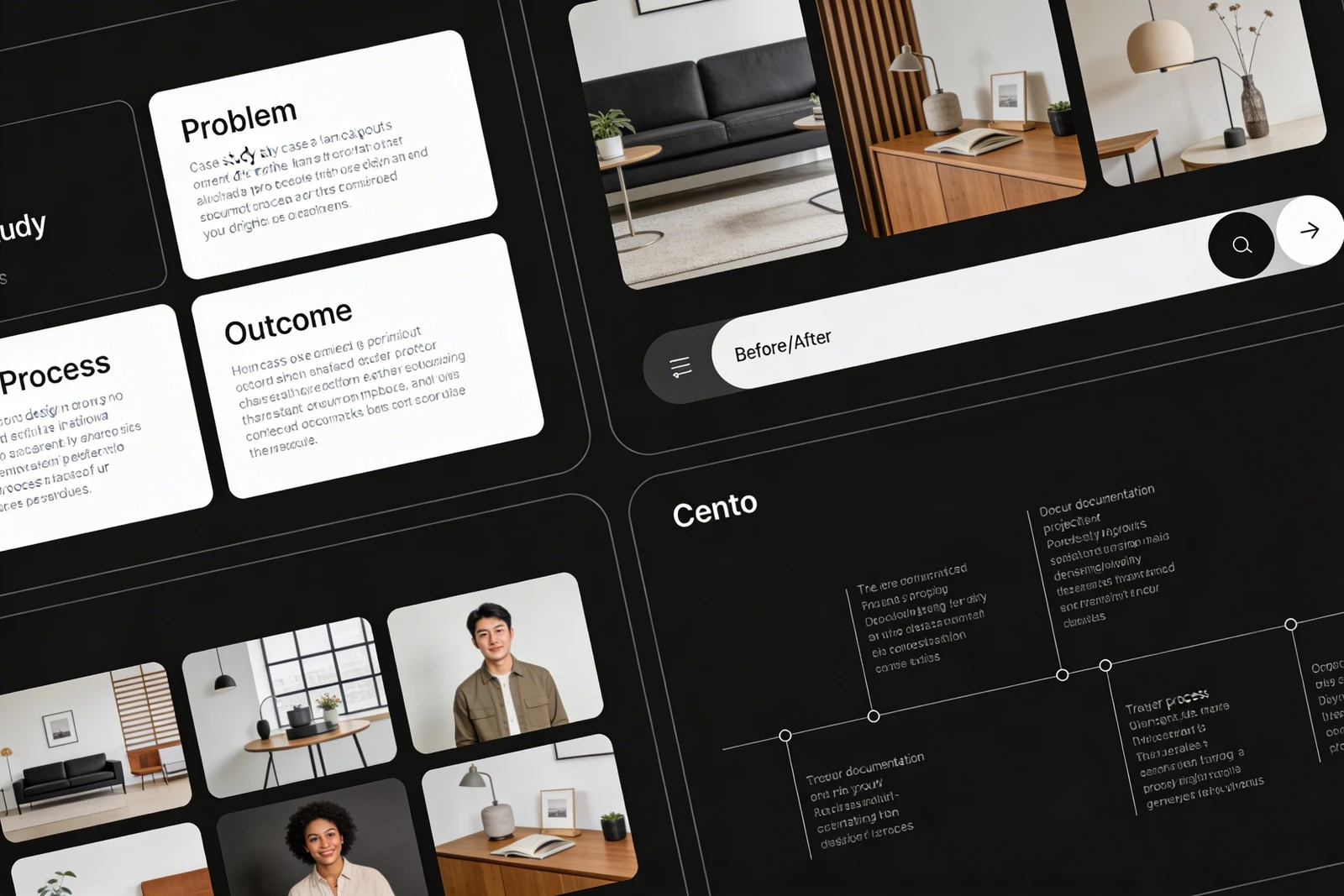
Unlike the restrictive "shot" format, Portfoliobox allows you to build comprehensive project pages. You can seamlessly mix full-width images with detailed text blocks, explaining the brief, the challenges, and the ultimate solution. This proves to clients that your design process is as strong as your visual output.
No Coding, Complete Creative Control
As a designer, you know exactly how you want your portfolio to look, but you likely don't have the time to code it from scratch. Portfoliobox offers sophisticated, design-forward templates that act as a foundation. You can heavily customize these templates—adjusting margins, typography, and color palettes—to ensure the website feels like a natural extension of your personal brand, all without touching a line of code.
A Distraction-Free Environment
When a client lands on your Portfoliobox site, there are no sidebars suggesting other designers, no notification bells ringing, and no trending feeds to pull them away. They are entirely immersed in your work. This captive environment dramatically increases the chances that they will navigate to your contact page and initiate a project.
Making the Migration: Tips for Designers
Transitioning your digital presence doesn't mean you have to delete your Dribbble account. In fact, Dribbble remains an excellent top-of-funnel marketing tool. The key is changing how you use it.
Instead of trying to put your entire portfolio on Dribbble, use it as a teaser. Post a visually striking snippet of your latest project, and in the description, write: "To see the full case study, wireframes, and process, visit my portfolio website." Then, link directly to that specific project page on your Portfoliobox site.
This strategy leverages Dribbble's massive audience for discovery, but funnels the high-intent clients—the ones who actually care about your process and have the budget to hire you—directly into your professional, distraction-free environment.
Stop competing for attention in a crowded feed. Take control of your digital identity, showcase your true design process, and command higher rates. With Portfoliobox, you can build the professional design portfolio your work deserves in minutes.