For twenty years, the universal corporate standard for pitching a creative idea was the PDF deck.
When a freelance designer or a massive creative agency attempted to secure a $50,000 corporate re-branding contract, they painstakingly built a sixty-page presentation inside PowerPoint or Adobe InDesign, exported it as a massive PDF file, and attached it to an email.
Today, this process is dying. When an overworked corporate executive receives an email with a 40-Megabyte attachment, they immediately feel psychological friction. Half the time, the email server strips the attachment for being too large. If it does arrive, the client has to download it, open it in specific Adobe reader software, and awkwardly zoom in and out to read the formatting. The PDF is dead. The modern B2B standard is the dynamically encrypted "Presentation Website." Here is why the industry has shifted entirely.
1. Escaping the Compression Penalty
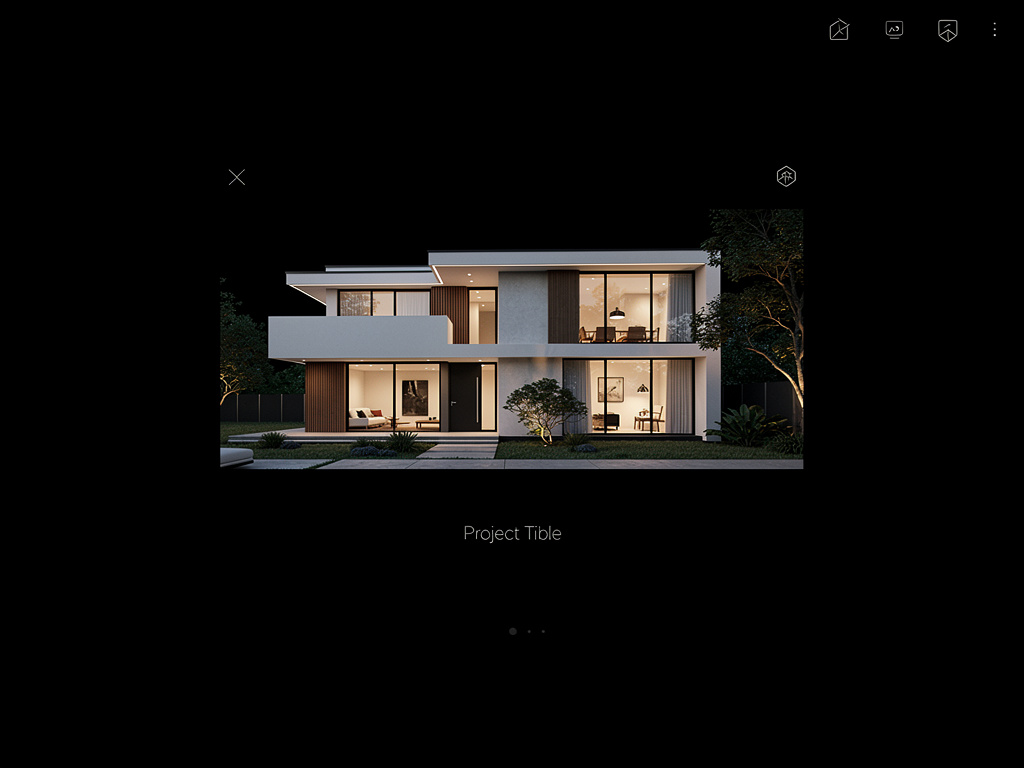
A pitch deck for a visual creative usually contains massive, high-definition assets: 3D architectural renders, 4K video clips of web mockups, and lush corporate photography.
You physically cannot put ten 4K video clips into an email attachment. To get the file size small enough to email, creatives are forced to brutally compress their PDFs, turning their gorgeous, brilliant 3D animations into muddy, pixelated JPEGs.
The URL Reality: By abandoning the PDF form and building a bespoke, hidden Presentation Website, file size limits vanish. Because the website relies on unmetered Content Delivery Networks (CDNs) rather than email bandwidth, the client can click the URL and instantly watch a massive, flawlessly smooth 4K video embedded directly into the pitch deck, drastically increasing the agency's perceived technical superiority.
2. Dynamic Metric Tracking
A PDF is an incredibly stupid file. When you email a PDF to a client, it disappears into a black hole. You have absolutely no idea if they opened it, if they read past page two, or if they forwarded it to the CEO. You are completely flying blind in your B2B follow-up timeline.
The Analytical Website: When you build your pitch as a Presentation Website, you instantly gain access to Google Analytics and server tracking data natively.
If you send the URL link (www.youragency.com/nike-pitch-deck) to the client, you can silently monitor the exact second they click the link. You can track exactly how many minutes they spent looking at the "Pricing & Retainer" section of the page. You can see if they sent the link to three other members of their board. This hidden analytic data allows you to time your follow-up emails with terrifying, high-stakes precision.
3. Real-Time Error Correction (The Live Sync)
The absolute worst feeling in the corporate world is hitting "Send" on a massive PDF email to a Fortune 500 company, and immediately noticing a devastating spelling error on page two of the document. It is too late. The mistake is burned into the file on their hard drive forever.
The Sovereign URL Override: A Presentation Website is a living, breathing document. If you send the URL to a corporate board, and ten minutes later you realize you misspelled the CEO's name in a header, you do not have to apologize or send an embarrassing "V2 revised" email attachment.
You simply log into your website builder, fix the typo, and hit Publish. When the CEO finally clicks the URL an hour later, the error never existed. You retain absolute control over the data pipeline.
B2B pitching requires zero-friction architecture. By deploying pitch decks on Portfoliobox, creative agencies instinctively execute encrypted, password-protected presentation sites leveraging uncompressed 4K video embeds, native responsive formatting, and real-time editing power — completely obliterating the limitations of the classic static PDF.