There is a devastating myth in the fine art community that pricing is entirely subjective. Artists assume that if a collector loves a painting, they will buy it regardless of how it is presented online.
This is mathematically false. In the luxury fine art market, presentation physically alters perception. If an incredibly wealthy collector encounters a magnificent, large-scale oil painting on a chaotic, poorly designed website featuring broken links and spelling errors, a psychological alarm sounds in their brain. They assume the artist is unstable, unpredictable, or an amateur. The perceived value of the artwork plummets from $10,000 to $500 instantly.
Conversely, the highest-selling independent artists in the world utilize their online portfolios not just as image galleries, but as weapons of luxury validation. If your goal is to command elite gallery pricing, you must adopt the digital architecture of the elite. Here is exactly what the highest-earning art portfolios have in common.
1. The Weaponization of Negative Space
When amateur artists build a website, they suffer from a phenomenon known as Horror Vacui (the fear of empty space). They desperately cram fifty different paintings onto a single screen, assuming that "more art equals more value."
Elite artists understand that volume actually dilutes value. The highest-selling portfolios in the world utilize aggressive amounts of negative space.
- They do not use standard 4-column masonry grids. They use single-column layouts.
- They place massive, 300-pixel blank white margins between every single image.
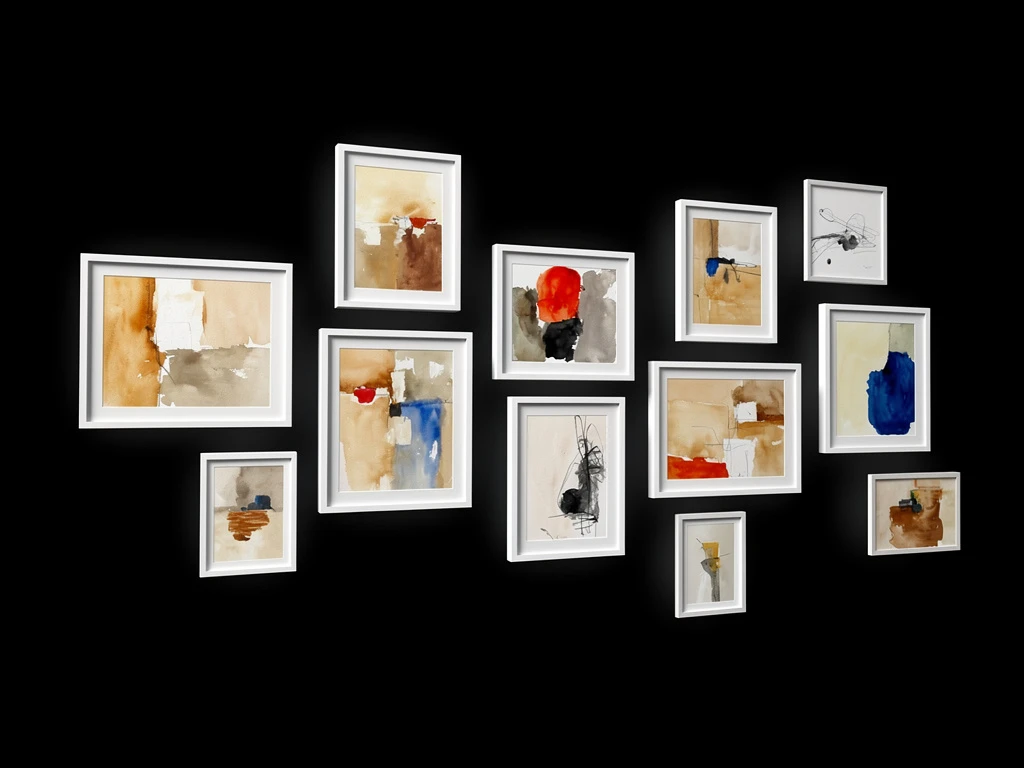
By forcing a single painting to sit entirely alone in the center of the screen, you demand the viewer's absolute focus. You subconsciously communicate that this single piece of art is so inherently valuable, it deserves its own dedicated visual real estate. Emptiness projects luxury.
2. Institutional Silence (The Anti-UI)
Amateur websites scream at the viewer. They have massive, colorful navigation menus, animated "Hover Effects" that make the image bounce when the mouse goes over it, and loud background textures.
A high-selling portfolio is practically silent. To an elite collector, the website's User Interface (UI) should vanish entirely.
- The background color must be pure
#FFFFFFwhite (or occasionally, absolute#000000black for highly luminous digital work). - The navigational typography must be incredibly small, utilizing thin, elegant Serif or stark Geometric Sans-Serif fonts.
- The only splash of color on the entire website must naturally radiate from the specific pigment inside the paintings themselves.
3. Flawless Contextual Anchoring
Upload a flat JPEG of an abstract painting to a website, and a collector will stare at it briefly and move on. They cannot determine if the painting is 8 inches tall or 80 feet tall. Without scale, they cannot justify a massive price tag.
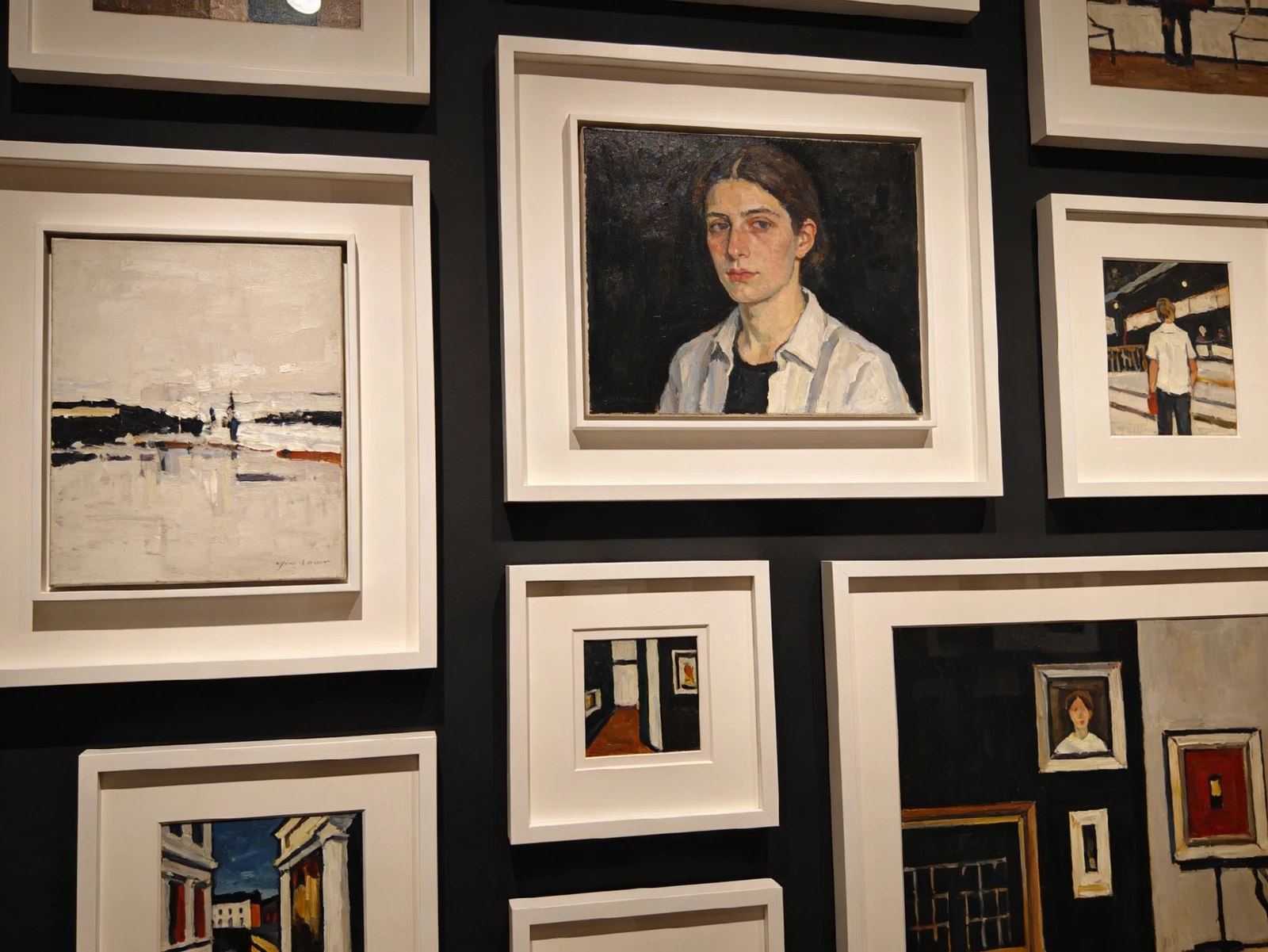
Elite B2B art portfolios never let their artwork float without context. The highest-earning artists deploy rapid "Contextual Shifting." Immediately beneath the perfect, flat digital scan of the artwork, they upload an "Environmental Shot." They photograph the physical canvas leaning casually against a pristine white studio wall, or hanging beautifully in an architecturally stunning living room. By proving massive physical scale and structural reality, the collector's brain effortlessly justifies a luxury price tag.
Commanding elite pricing requires an elite digital chassis. By migrating to Portfoliobox, independent artists instantly unlock the massive negative space parameters, silent uncompressed UI layouts, and sophisticated typography grids required to validate high-end B2B art sales globally — no coding required.