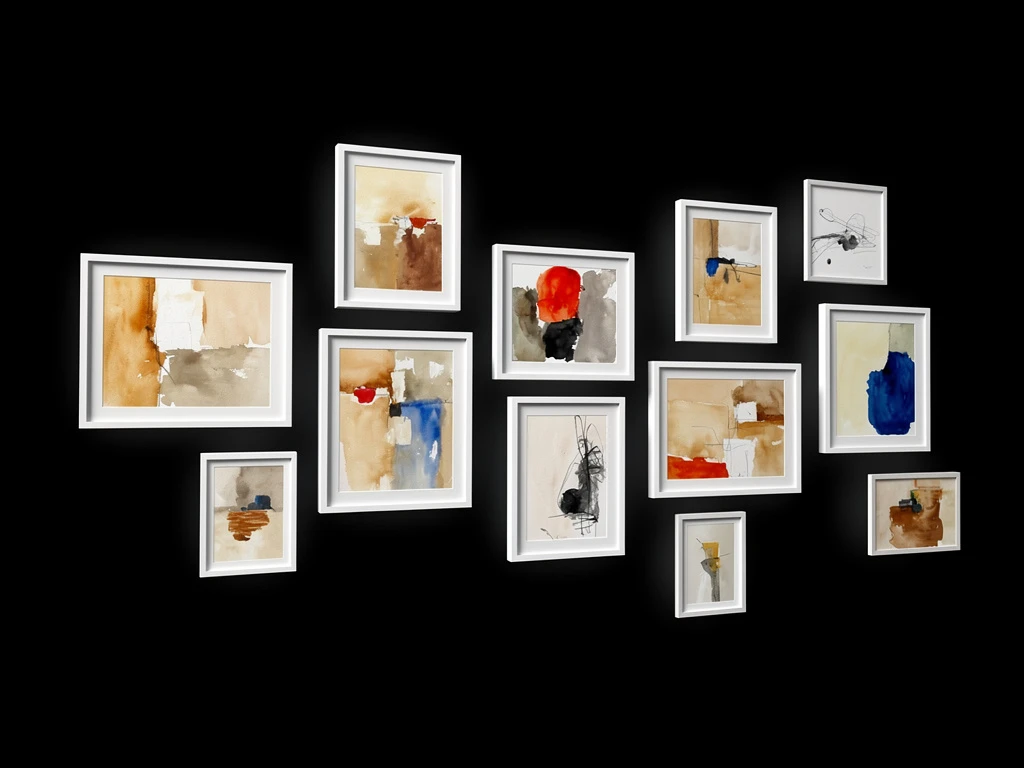
Arthur spent six years mastering traditional, heavy-impasto oil painting. His canvases were incredible texturally, heavily rooted in traditional portraiture. However, he struggled to survive financially. Selling a massive $10,000 physical oil painting directly to a wealthy gallery collector was a painfully slow process that could take months.
Desperate for faster commercial income, Arthur decided to apply for high-end "Digital Concept Art" jobs at massive video game studios and editorial publishing houses.
His strategy, however, was disastrous. He simply took low-quality smartphone photos of his massive oil paintings, uploaded them to a free website builder, and emailed the messy URL to tech-based Art Directors. The studios rejected him instantly. The recruiters did not reject his painting ability; they rejected his complete lack of digital legibility. They needed artists who could solve commercial problems on a computer, and Arthur's chaotic website proved he did not understand the digital realm.
To bridge the gap between traditional fine art and lucrative digital execution, artists must fundamentally restructure their digital presentation. Traditional mastery is a weapon, but only if you prove you can format it digitally. Here is the B2B strategy for the transition.
The Superiority of 'Analog Foundations'
The most valuable asset a traditional painter possesses in the digital industry is fundamental structural knowledge. Thousands of young digital artists rely entirely on Artificial Intelligence or automated Photoshop "blend modes" to make their work look good. They lack a deep, physical understanding of how real light interacts with three-dimensional form.
The Digital Angle: When applying for a Concept Art job, you must present your traditional painting background as an overwhelming tactical advantage. In your online portfolio, do not just post the finished digital illustration. Create a "Case Study" layout.
- The Under-Drawing: First, show the hiring manager a pristine, high-resolution scan of a foundational charcoal sketch you executed on physical paper. Prove you understand analog anatomy and raw perspective.
- The Digital Glaze: Directly underneath it, display the exact same drawing after you scanned it into Photoshop and applied massive, highly technical digital texture layers and lighting effects.
This layout instantly proves to the studio that your digital work is anchored in hyper-stable, unshakeable traditional skill sets.
Demonstrating "Production Agility"
A commercial Art Director's biggest fear when hiring an oil painter is speed. If an Art Director needs a magazine cover illustration completed in 48 hours, they cannot wait three weeks for a canvas to dry.
The Speed Metric: Your digital portfolio must visibly prove that you understand "Commercial Turnaround." You must silo your website into two distinct areas:
- The Fine Art Archive: This section houses your massive, time-consuming physical canvases. It proves your emotional depth and patience.
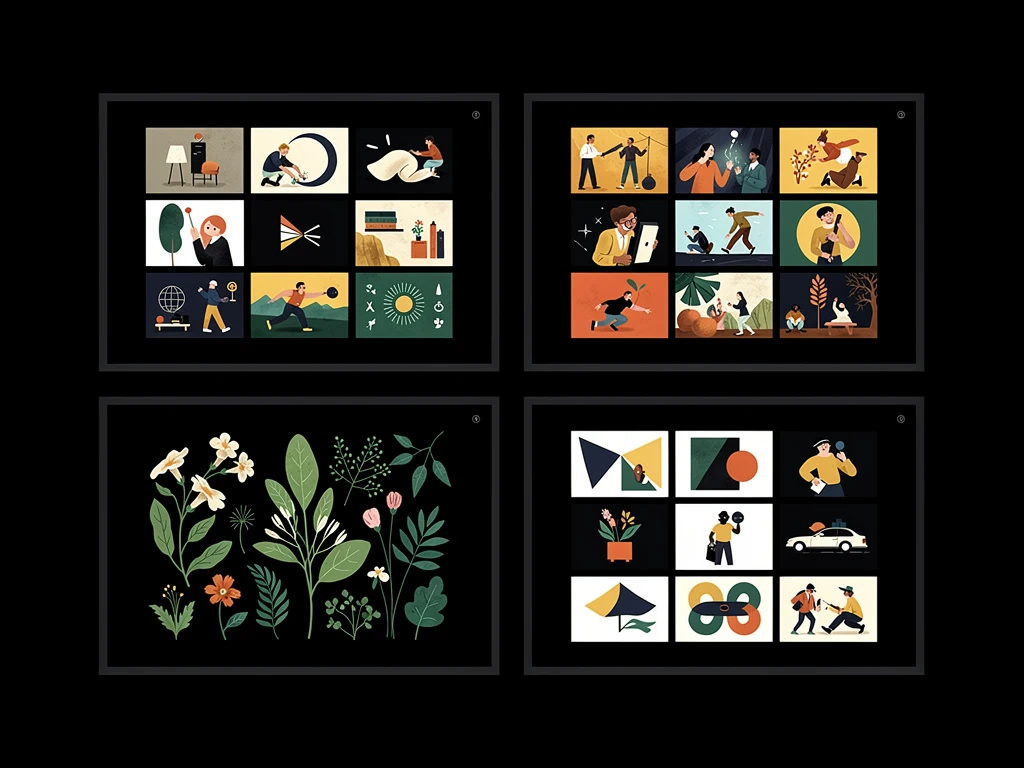
- The Concept Studio: This sector must be filled with "Speed Paints." Generate a massive grid of highly effective, highly stylistic digital iterations that only took you 90 minutes to execute using a Wacom tablet.
By actively demonstrating rapid digital iteration natively on your website, you erase the Art Director's fear of the "slow traditionalist" immediately.
Eradicating Analog Imperfection
When transitioning to digital employment, your presentation cannot look like a messy studio.
If your website features photographs of your traditional artwork where the edges of the canvas are warped, or the background of the JPEG shows dirty paint-brushes lying on your desk, digital studios will assume your Photoshop layers will be equally chaotic and unusable.
You must transition into absolute B2B digital precision. Every single analog painting on your website must be scanned flawlessly, perfectly cropped edge-to-edge, and mathematically formatted within a pure white UI container, projecting the exact aesthetic of a high-end tech presentation.
Securing high-paying commercial contracts with traditional skills requires absolute digital formatting control. By executing your career pivot on Portfoliobox, transitioning artists effortlessly deploy massive, uncompressed Case-Study layouts, rapid chronological formatting, and the completely bespoke, distraction-free grids required to prove digital fluency instantly — no coding required.