Many aspiring models believe that building a portfolio simply involves hiring a photographer, showing up, and looking good. However, seasoned professionals know that a successful shoot is won or lost in the preparation phase. We call this the "pre modelling" phase.
Pre modelling encompasses everything from mood boarding and wardrobe styling to practicing poses and skin prep. If you neglect this phase, your portfolio will look disjointed, unprofessional, and ultimately, it won't book you jobs. Here is a step-by-step guide to mastering the pre modelling process.
Step 1: Define the Purpose of the Shoot
Before you book a photographer or pull any wardrobe, you must define exactly what your portfolio is missing. Are you lacking clean, commercial lifestyle shots? Do you need high-end beauty macros to secure cosmetic campaigns?
Every shoot should serve a specific strategic purpose. If you just show up to "take some cool photos," you will end up with images that look great on Instagram but are useless to a casting director. Write down three specific looks or concepts you need to capture to round out your book.
Step 2: Create a Detailed Mood Board
Once you know what you need, you must communicate that vision to your creative team. A mood board is the industry standard for this communication.
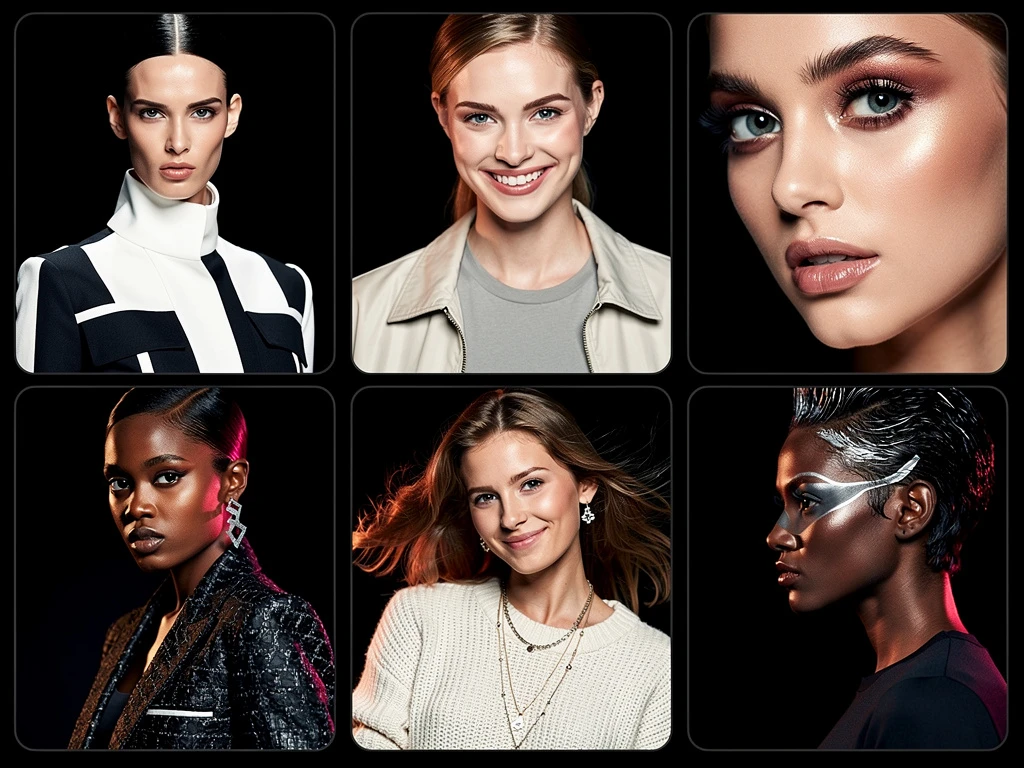
Gather reference images that dictate the lighting style, the makeup aesthetic, the wardrobe, and the specific poses you want to emulate. Do not just pin photos of models you find attractive; pin photos that represent the exact commercial or editorial vibe you are trying to capture. Share this board with your photographer and stylist weeks before the shoot.
Step 3: Wardrobe and Prop Pulling
Never rely on the photographer's studio closet. Your wardrobe is your responsibility unless a professional stylist is hired.
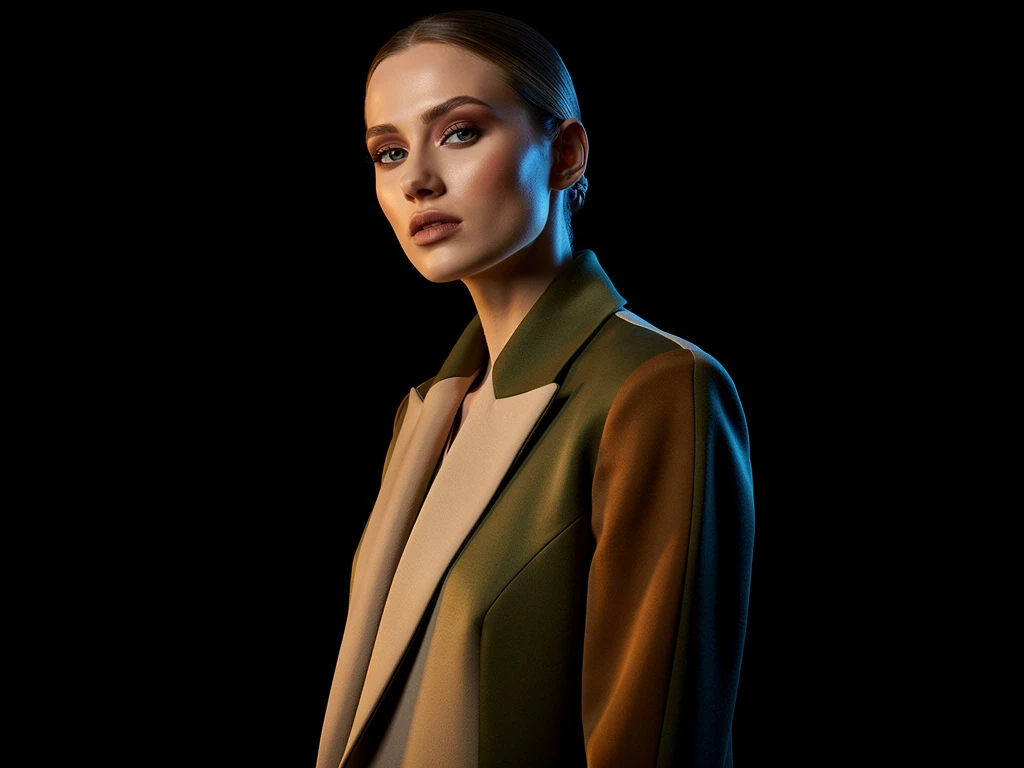
For a commercial shoot, pull clean, well-fitting basics (blazers, quality denim, crisp t-shirts) in neutral tones. Avoid loud patterns or heavy logos that distract from your face. Ensure everything is ironed and transported in garment bags. If the shoot requires specific props (like coffee cups for a lifestyle shoot or sports equipment for an athletic look), source those in advance.
Step 4: The Physical Pre Modelling Routine
Your physical preparation should begin at least 48 hours before call time.
- Skin: Focus on heavy hydration. Do not try any new facial treatments or strong acids right before a shoot to avoid unexpected breakouts.
- Hair and Nails: Ensure your roots are touched up if you color your hair. Nails should be immaculately clean, either bare or painted a neutral, sheer nude.
- Rest: Arriving at a shoot with heavy under-eye bags because you stayed out late is deeply unprofessional. Get enough sleep.
Step 5: Practice Posing and Angles
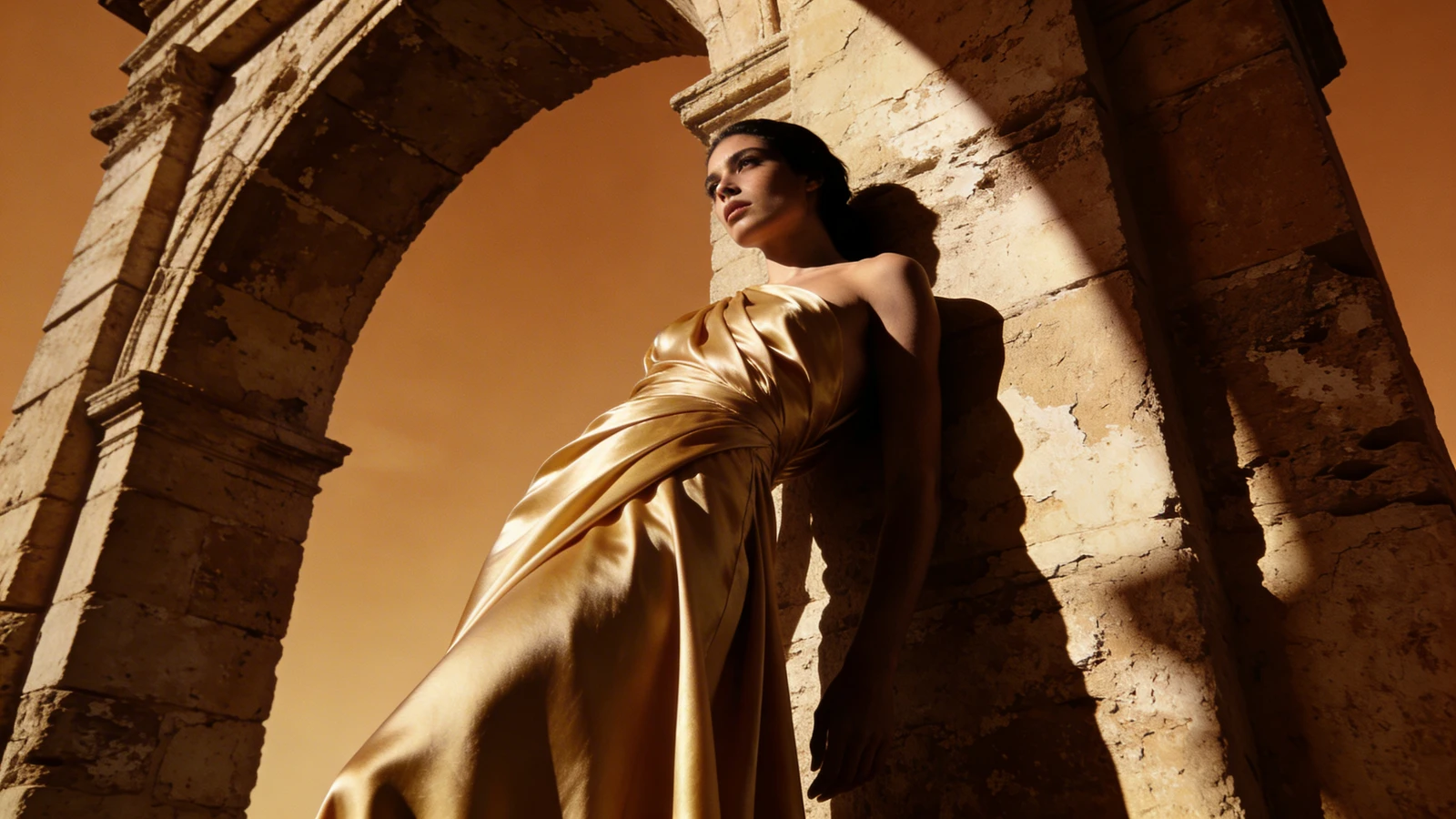
The night before the shoot, review your mood board and practice the specific poses in front of a mirror. Understand how the required wardrobe moves. If you are shooting a flowing dress, practice tossing the fabric to catch the light. If you are shooting a tailored suit, practice strong, angular poses that highlight the cut of the garment.
Building a strategic portfolio requires meticulous pre modelling. Once you have captured those perfect shots, you need a professional platform to display them. With Portfoliobox, you can create a stunning, agency-ready portfolio website in minutes — no coding required.