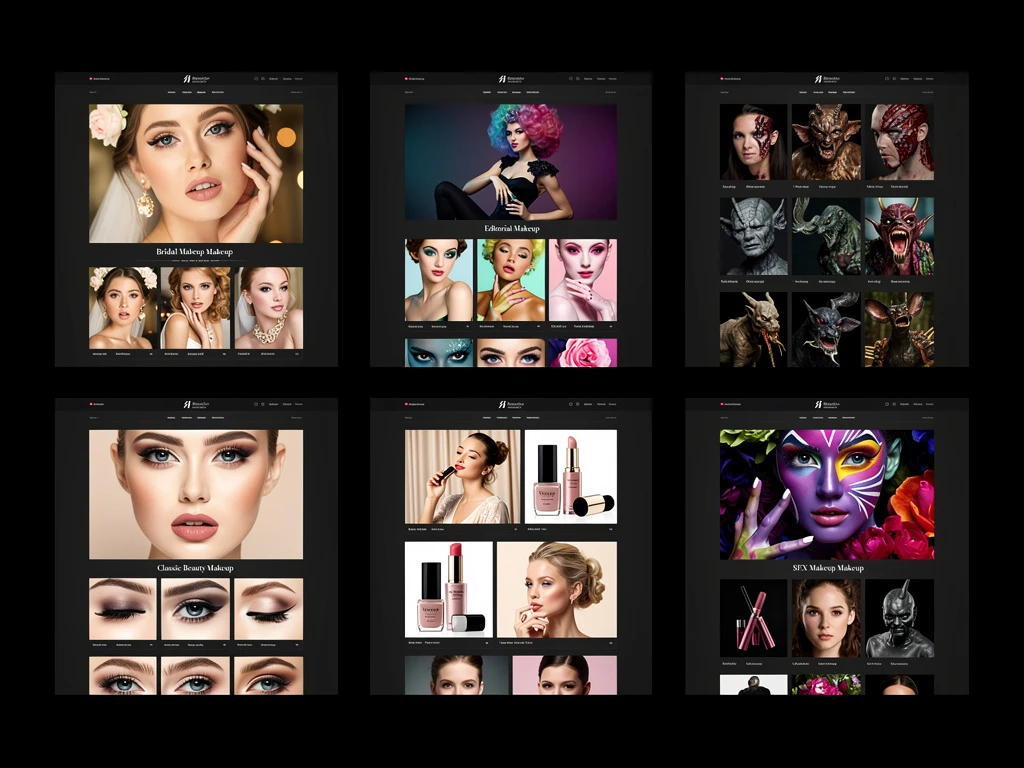
Why do some photographers effortlessly command premium day rates, attract ideal clients, and maintain fully booked schedules, while others—with arguably equal or even superior technical talent—struggle to book a single gig? The answer rarely lies in the specific camera body they use, the lenses they own, or the complex lighting setups they have mastered. More often than not, the defining difference is found entirely in their online presence.
A successful photo portfolio website is not just a digital gallery or a passive storage unit for your JPEGs; it is a 24/7 salesperson, a tireless brand ambassador, and the absolute foundation of a sustainable creative career. The most successful professional photographers understand this fundamental truth: they treat their websites as their most important business asset.
If your current website feels like a dusty, disorganized archive rather than a dynamic, high-converting marketing tool, it is time for a strategic overhaul. Let's uncover the seven core secrets behind a successful photo portfolio website and explore exactly how implementing these strategies can radically transform your photography career.
1. It Curates for the Client, Not the Photographer's Ego
The most common trap photographers fall into when building a photo portfolio website is curating for their own ego or sentimental attachment. You feel compelled to include the image that took six hours to light, the landscape where you braved a freezing blizzard, or the portrait that won a local camera club contest three years ago.
The first secret of a successful portfolio is that it is entirely, ruthlessly client-focused. An art director looking to hire a lifestyle photographer for a major beverage campaign doesn't care about the blizzard you endured; they only care if you can consistently deliver bright, authentic, energetic lifestyle images that will sell their product.
Successful portfolios are curated to solve specific client problems. They show a cohesive, distinct style and an undeniable mastery of a specific niche. If an image doesn't directly speak to the exact type of client you want to book tomorrow, it must be removed today. This level of strict curation builds instant trust; it tells the client, "I am a specialist, and I know exactly what I am doing."
2. It Tells a Cohesive, Intentional Visual Story
When a potential commercial client or a high-end bride lands on a successful photo portfolio website, they aren't just looking at individual, disconnected pictures. They are absorbing an entire visual narrative.
If your portfolio jumps erratically from a dark, moody concert photo to a bright, airy wedding shot, and then to a stark, high-contrast architectural image, the client experiences visual whiplash. They don't know what you actually specialize in, what your true style is, or what they will get if they hire you. And confused clients do not book.
A successful website tells a cohesive, deliberate story. The editing style remains consistent across galleries. The color palettes complement each other. The sequencing of the images guides the viewer on a carefully planned emotional journey, starting with a strong hook and ending with a memorable closing image. This cohesiveness signals deep professionalism and a refined mastery over your craft.
3. It Prioritizes Speed and Usability Over Flashy Gimmicks
In the competitive creative industry, time is money. A photo editor at a major magazine or an art buyer at an ad agency might be reviewing fifty portfolios before their lunch break. If your photo portfolio website takes more than three seconds to load because it's bogged down by massive, unoptimized files or heavy scrolling animations, that editor is gone. They will simply close the tab.
The most successful portfolios prioritize blazing-fast load times and frictionless navigation. They utilize "invisible design"—clean, minimalist layouts with generous whitespace that frame the photography perfectly without competing with it for attention.
The navigation is intuitive and dead simple, allowing the user to find the contact page or a specific niche gallery within one or two clicks. Never sacrifice speed and usability for a flashy web design trend. Your photos should be the only thing the client remembers about your website.
4. It Showcases Context and Creative Problem Solving
A beautiful standalone image proves you know how to operate a camera and expose a frame correctly. But high-paying commercial and editorial clients need to know much more than that. They need to know that you can execute a complex creative brief, manage a busy set, direct talent, and deliver results under intense pressure.
A major secret of a successful photo portfolio website is the inclusion of context. Instead of just dumping images into a gallery, successful photographers use case studies. They feature a tear sheet of their work in print, or they include a short paragraph explaining the goal of the shoot, the logistical challenges they overcame on location, and the specific value they delivered to the brand.
This simple addition shifts the client's perception from "someone who takes nice pictures" to "a strategic creative partner who solves visual business problems." That shift in perception is exactly how you justify and command double your current day rate.
5. It Features a Client-Centric "About" Page
Your "About" page is almost always the second most visited page on your photo portfolio website. The secret here is realizing that the "About" page isn't actually about you at all. It's about what you can do for the person reading it.
Amateur websites feature long, rambling autobiographies about when they first picked up a camera in high school and how much they love coffee and dogs. Successful websites feature concise, confident bios that highlight:
- The specific niche they specialize in and why they are passionate about it.
- The unique approach, lighting style, or problem-solving capability they bring to a project.
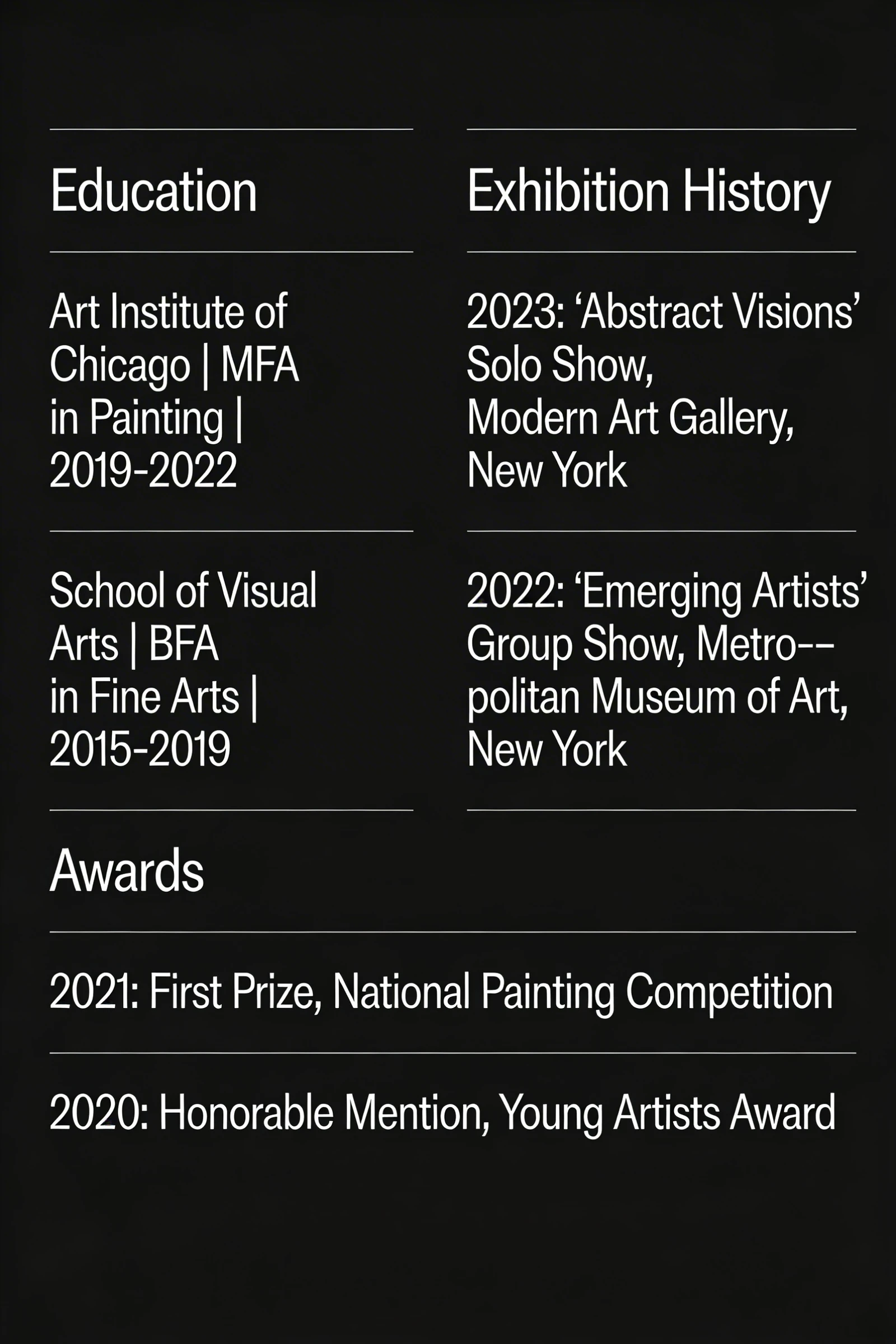
- A curated list of past clients, awards, or publications to build immediate, undeniable authority.
It should also include a professional, approachable portrait of you. People hire people. They want to know that the person they are about to spend ten hours on set with is professional, capable, and pleasant to be around.
6. It Obsessively Optimizes for the Mobile Experience
It is a statistical reality that over half of the people viewing your photo portfolio website will do so on a mobile device. An art director might be sent a link to your work and open it on their iPhone while in a cab on the way to a meeting.
A successful portfolio is obsessively optimized for this mobile experience. The images scale perfectly without awkward cropping. The text is large enough to read without pinching and zooming. The navigation menus are easy to tap with a thumb.
If your website looks incredible on a 27-inch monitor but is broken, slow, or frustrating to use on a smartphone, you are actively losing half of your potential client base before you even know they exist.
7. It Eliminates All Friction in the Booking Process
You can have the most breathtaking photography in the world, perfectly curated and beautifully sequenced, but if a client can't figure out how to easily contact you, your photo portfolio website has fundamentally failed its primary objective.
Successful websites eliminate absolutely all friction from the booking process.
- The "Contact" button is highly visible in the main navigation menu, often highlighted in a contrasting color.
- There is a clear Call to Action (CTA) at the bottom of every major gallery (e.g., "Ready to collaborate on your next campaign? Reach out here.").
- The contact form is incredibly simple, asking only for essential information (Name, Email, Project Details/Date) rather than requiring the busy client to fill out a lengthy survey just to say hello.
The Foundation of Your Career
The final secret is the technical foundation you choose to build upon. Photographers who are serious about scaling their careers don't build their websites on generic, clunky blogging platforms that require constant plugin updates, security patches, and coding knowledge. They use platforms built specifically and exclusively for visual artists.
A dedicated platform ensures that your high-resolution images are handled beautifully, your galleries are automatically responsive on mobile devices, and you have seamless access to the business tools you actually need. When you stop fighting with your website's backend, you free up massive amounts of time and creative energy to do what actually builds your career: shooting, networking, and marketing your business.
Building your portfolio doesn't have to be complicated. With Portfoliobox, you can create a stunning portfolio website in minutes — no coding required.