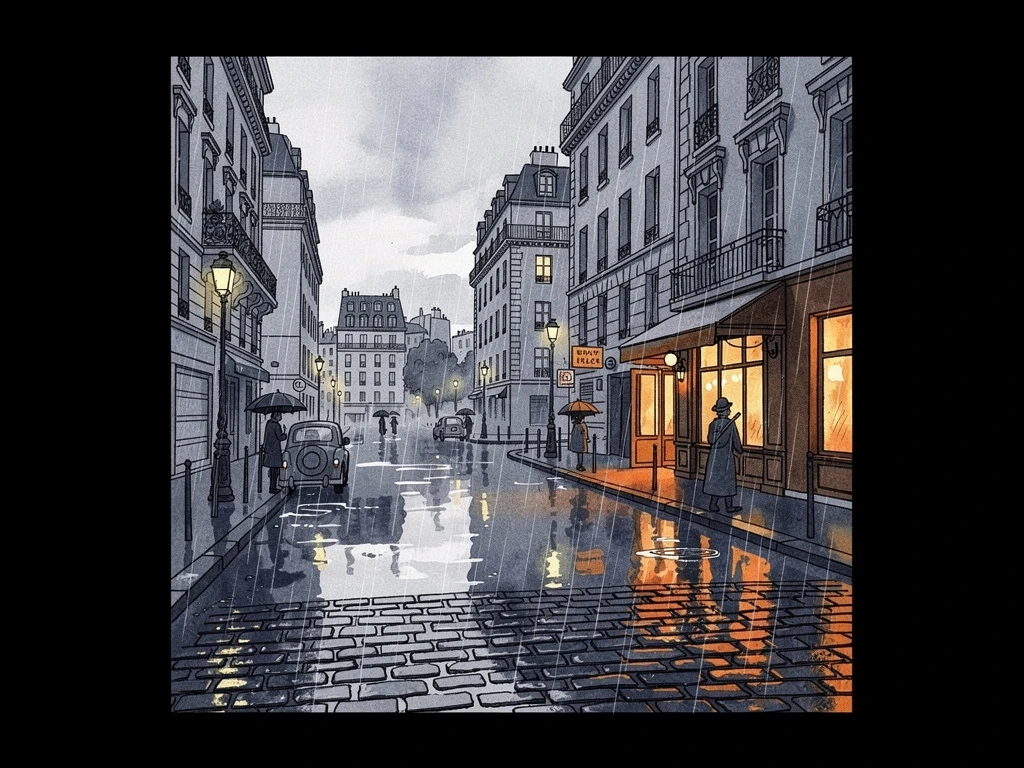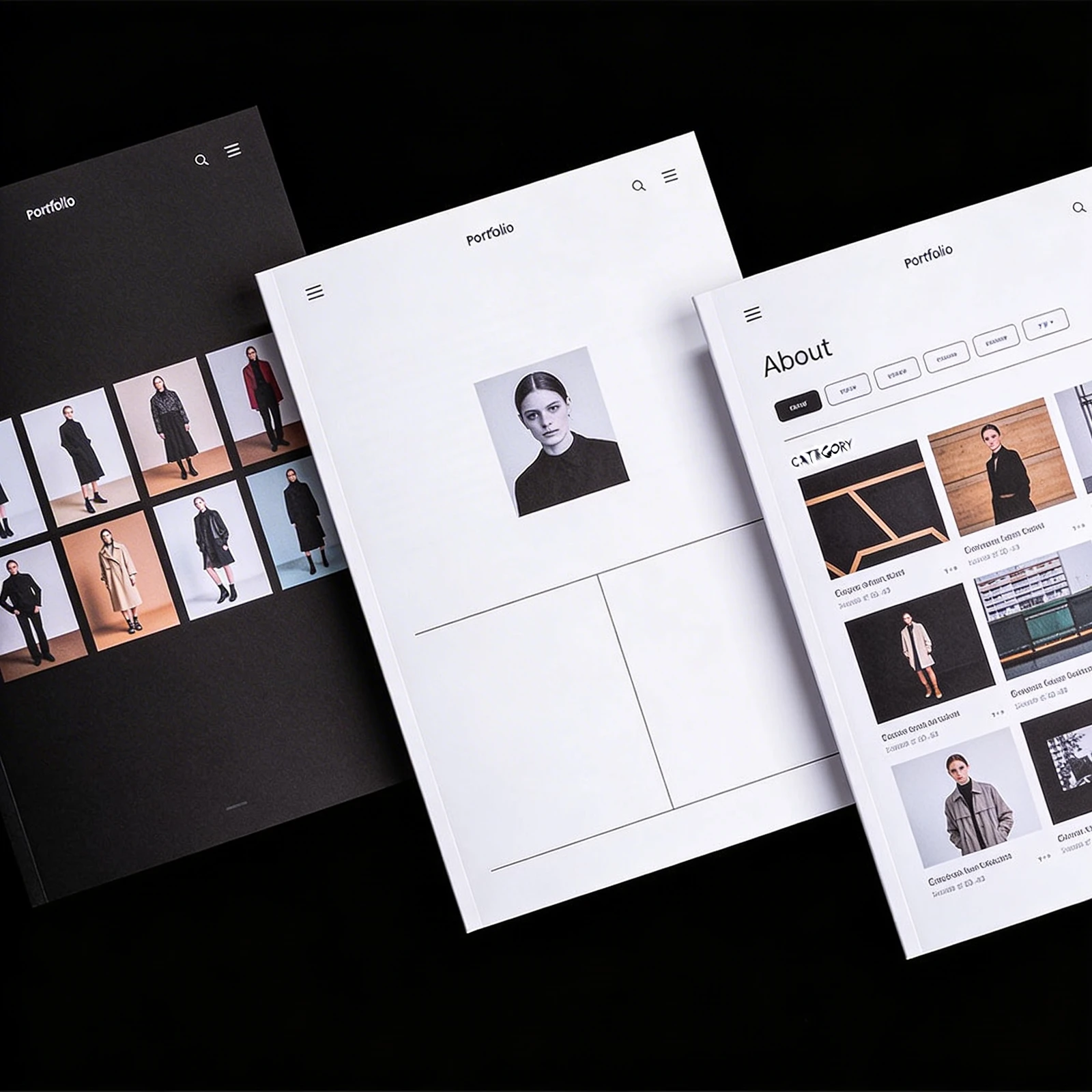
The traditional fine art studio is an environment built entirely on physical intuition. A sculptor understands the exact mathematical pressure required to manipulate clay. An oil painter intuitively understands the chemical drying time of linseed oil and turpentine.
However, when you ask these incredibly talented physical artists to translate their career onto the internet, they paralyze.
The concept of "web design" traditionally implied writing complex HTML scripts, managing confusing SQL databases, and fighting with CSS style sheets just to get a photograph to center correctly on a screen. Because of this technical anxiety, many brilliant artists abandon the idea of a personal domain entirely, settling for amateurish social media profiles and losing massive B2B gallery opportunities in the process.
You no longer need to know how to code to dominate the digital art market. You simply need to understand "Digital Strategy." Here is exactly how traditional artists can architect a high-end personal portfolio utilizing massive visual intuition instead of code.
Strategy 1: The 'Format-First' Selection
When programmers build websites, they write the structural code first, and then forcefully inject the images into the code later. As a visual artist using a no-code builder, you must do the exact opposite.
You must select your web builder based entirely on how its Native Templates react to your specific art format. Do not choose a portfolio platform and then fight with the layout. Analyze your physical artwork first.
- If you paint massive panoramic landscapes: You must explicitly strategize around a "Horizontal Scrolling" or "Carousel" template.
- If you sculpt 3D physical figures: You must strategize around a "Vertical Parallax" layout, allowing the recruiter to scroll down and see the sculpture from multiple photographic angles seamlessly.
By analyzing the geometric shape of your physical artwork first, you can select a native web template that perfectly frames your art with zero manual coding required.
Strategy 2: Pre-Baking the Typography
The hardest part of web design for a non-coder is CSS Typography. Trying to code a website so that the "Gallery Title" is slightly bolder than the "Didactic Label Text" requires incredibly annoying technical work.
The No-Code Hack: If you want a highly customized, incredibly complex typographic Hero Banner (e.g., your name woven beautifully through the brushstrokes of one of your canvas paintings), do not attempt to build it using the web-builder's native text tools.
Build the entire layout in Photoshop or Illustrator first. Carefully arrange your custom fonts exactly where you want them perfectly on top of the JPEG. Export the entire thing as a single, massive, flat image.
Upload that single flat image to the website's header. The website builder simply displays the JPEG. You have successfully bypassed all CSS encoding, achieving a completely bespoke typographical layout using only the visual design software you already know.
Strategy 3: Relying on 'Invisible' Server Architecture
A major source of coding anxiety is server management. Artists are terrified of breaking their website, managing security (SSL certificates), or accidentally uploading an uncompressed painting that crashes the page load speed.
To strategize effectively, you must outsource the infrastructure entirely. You must choose a platform where the engineering is "Invisible." The platform must automatically down-res the thumbnails for mobile phones, automatically encrypt the gallery connections to secure your physical IP, and automatically generate the mobile-responsive layouts without asking your permission.
Escaping algorithmic platforms does not require an engineering degree. By choosing an architecturally sound platform like Portfoliobox, physical artists leverage native no-code visual template logic, invisible SSL security, and uncompressed Content Delivery Networks to translate their physical mastery into digital dominance instantly.