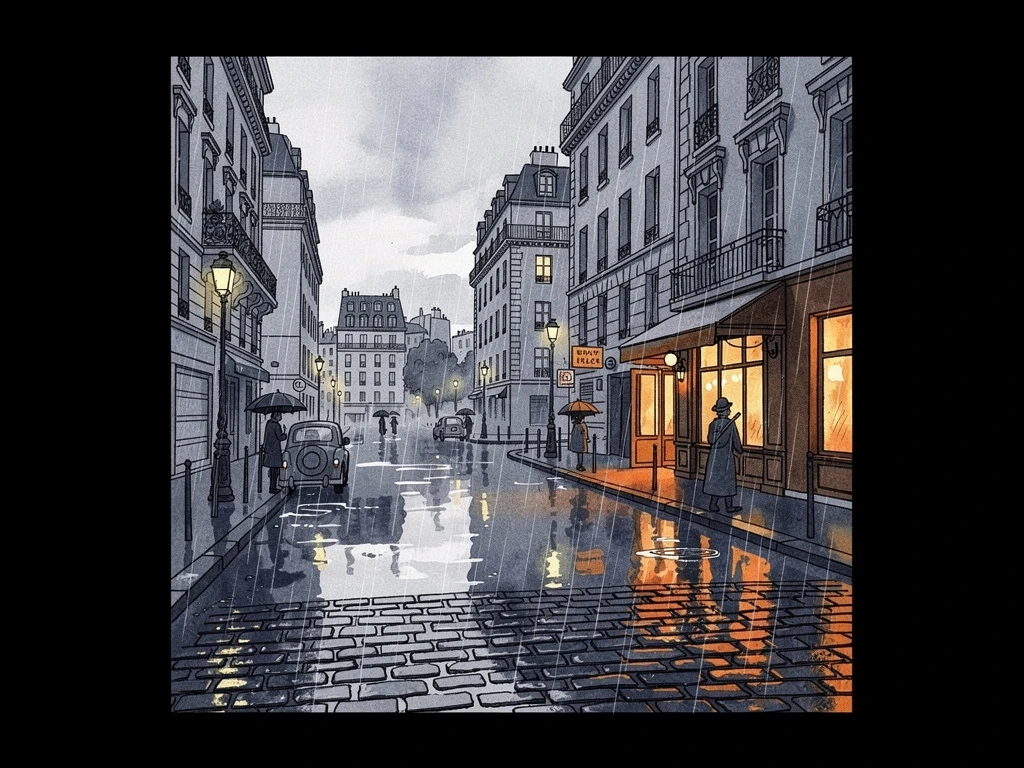
If you have ever stood on a corner in the rain waiting for the perfect silhouette to cross a puddle, you already know the hardest part of street photography isn't clicking the shutter—it's editing your work. When you're generating thousands of raw files a month, translating that chaotic urban energy into a cohesive street photography portfolio online is an entirely different discipline.
Most aspiring street photographers fail because they treat their online portfolio like an Instagram feed: an endless, context-free scroll of random faces. A truly commanding photography website doesn't just display images; it dictates the psychological pacing of the viewer, creating tension, relief, and narrative.
Here is a comprehensive breakdown on how to structure, edit, and launch a street photography portfolio website that feels less like a stock catalog and more like a published monograph.
Culling the Mayhem: The Rule of 6
Before you even think about domain names or website builders, you must ruthlessly cull your archives. In street photography, showing an "okay" image immediately diminishes the power of a "masterpiece".
When building a high-end portfolio, adhere to the "Rule of 6". Only your absolute strongest tier of work makes the portfolio edit. If you shoot 10,000 images a year, your website should likely only feature 30. Your online presence should never serve as a secondary hard drive; it is a meticulously curated gallery wall intended to convey exactly what you want your audience to see. Separate your images into broad themes (e.g., Geometry, Shadows, Solitude, Crowds) to build initial structure.
Sequence for Tension and Relief
Street photography thrives on visual poetry. When a visitor lands on your website, the sequence of images should alternate between tension and relief.
For instance, if your first image is a chaotic, high-contrast, multi-layered scene in Times Square filled with overlapping faces, the immediate following image should provide visual relief—perhaps a quiet, minimalist shadow cast against a brutalist concrete wall. This ebb and flow keeps the viewer engaged.
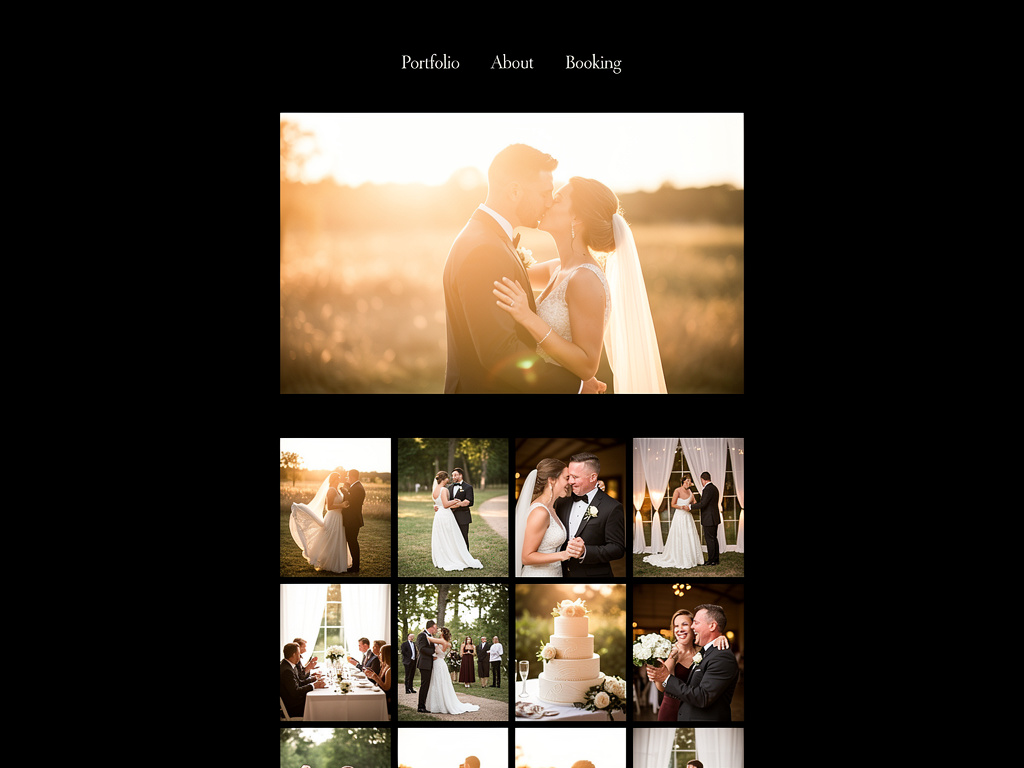
When you use unmetered gallery grids, ensure that aggressive, complex images are framed by simpler, quieter moments so the eye is never exhausted.
Ditch the Captions, Keep the Context
One of the vital errors photographers make when designing their websites is over-explaining. Street photography loses its mystery if every image requires a paragraph of context. Instead of individual captions detailing your camera settings or what street you were standing on, utilize a short, poetic "Project Statement" at the top of the gallery page.
Introduce the visual theme—perhaps a study on the isolation of commuters on the subway—and then let the images speak exclusively for themselves. Minimalist typography and heavy negative space around the photographs naturally elevate the perceived value of the work without requiring excessive reading.
Designing the Ultimate 'About' Page
Your 'About' page is the second most visited page on your portfolio website. Gallery curators, art directors, and print buyers want to know the human behind the lens.
Instead of writing a dry list of camera bodies you own, craft a narrative about your relationship with the street. Why do you shoot? What draws you to specific neighborhoods? Include a genuine, well-lit portrait of yourself (not one hiding behind a camera) and provide a clean, direct contact form for print inquiries and gallery representation. Your website is fundamentally a professional handshake; ensure it invites connection.
Ditching Algorithms for Ownership
If there is one absolute rule in modern photography, it is that you cannot build a legacy on rented land. Social media algorithms aggressively compress your high-resolution images, crop your careful cinematic aspect ratios, and force your work to compete with advertisements.
To present street photography properly, you must own your digital domain. A dedicated URL allows you to deliver uncompressed, full-bleed imagery exactly as you intended it to be seen. You control the narrative, the pacing, and the presentation.
Building your portfolio doesn't have to be complicated. With Portfoliobox, you can create a stunning portfolio website equipped with unmetered imagery and beautiful white-space in minutes — no coding required.