For centuries, establishing a reputation as a fine artist required navigating the arduous, gate-kept world of physical gallery representation. Today, the internet has radically democratized art collection. A curator in London or an interior designer in Tokyo can discover your work and commission a massive piece instantly—provided you present your art with breathtaking professionalism.
If you analyze the most successful digital portfolio website examples of working painters, sculptors, and mixed media creators, it becomes glaringly obvious: they treat their website with the exact same reverence as a physical museum exhibition. Your digital gallery must be absolutely pristine. Here is how you curate an online fine art portfolio that translates tactile physical mediums into a compelling digital presence.
The Absolute Critical Importance of Reproduction Photography
The biggest tragedy in the fine art world is a masterfully rendered, $5,000 oil painting ruined by a crooked, dimly lit smartphone photo cast in a yellow tungsten glow.
If you work in physical media, your entire digital business relies 100% on the quality of your reproduction photography. You must capture your work professionally. This means shooting flat artwork under diffused, even lighting. Neutralize all reflections on heavily varnished pieces. Use a color checker to ensure the digital image perfectly matches the temperature of the physical paint. Always square your edges. Your viewers are judging your technical prowess strictly through these digital files; if they are blurry, the collector assumes the physical painting is equally muddy.
Give the Artwork Breathing Space
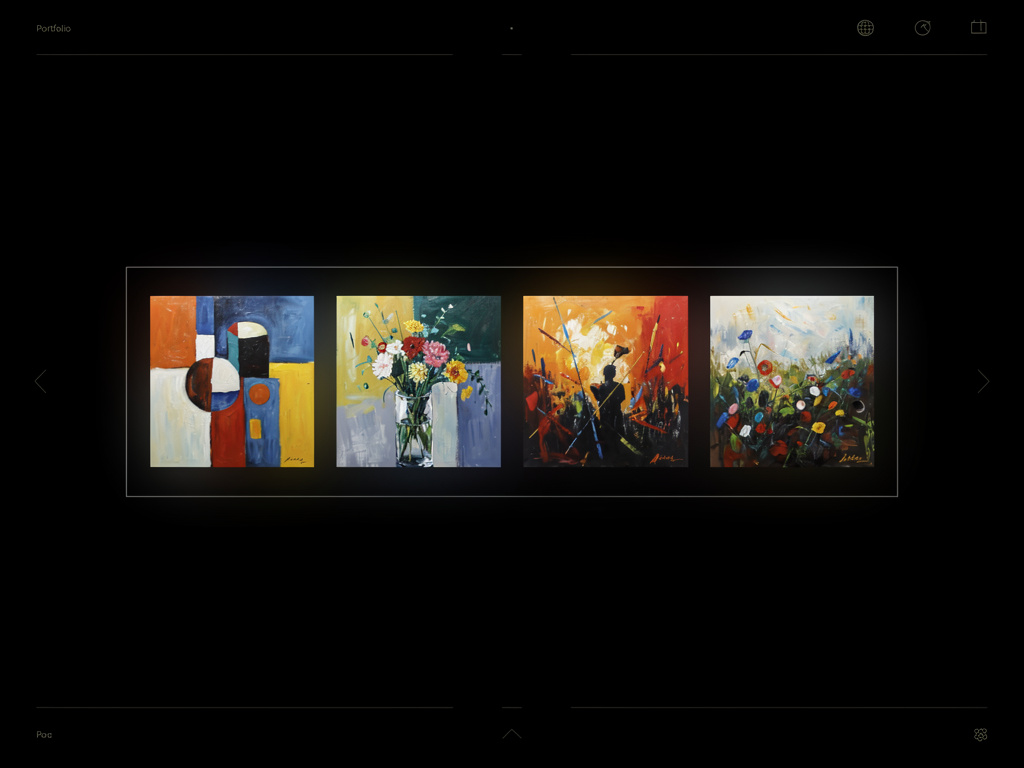
In a physical gallery, curators deliberately space paintings out along stark white walls to allow viewers to engage meaningfully with a single piece without distraction. Your website must simulate this psychological breathing space.
Do not cram your work into a chaotic, infinite masonry grid filled with sixty densely packed thumbnails. A true fine art portfolio utilizes massive amounts of negative space. Embrace the whitespace on the screen. Force the viewer to scroll slowly to reveal large, high-resolution single images. This deliberate pacing commands respect and inherently signals that the work is highly valuable.
Contextualize with Environmental Shots
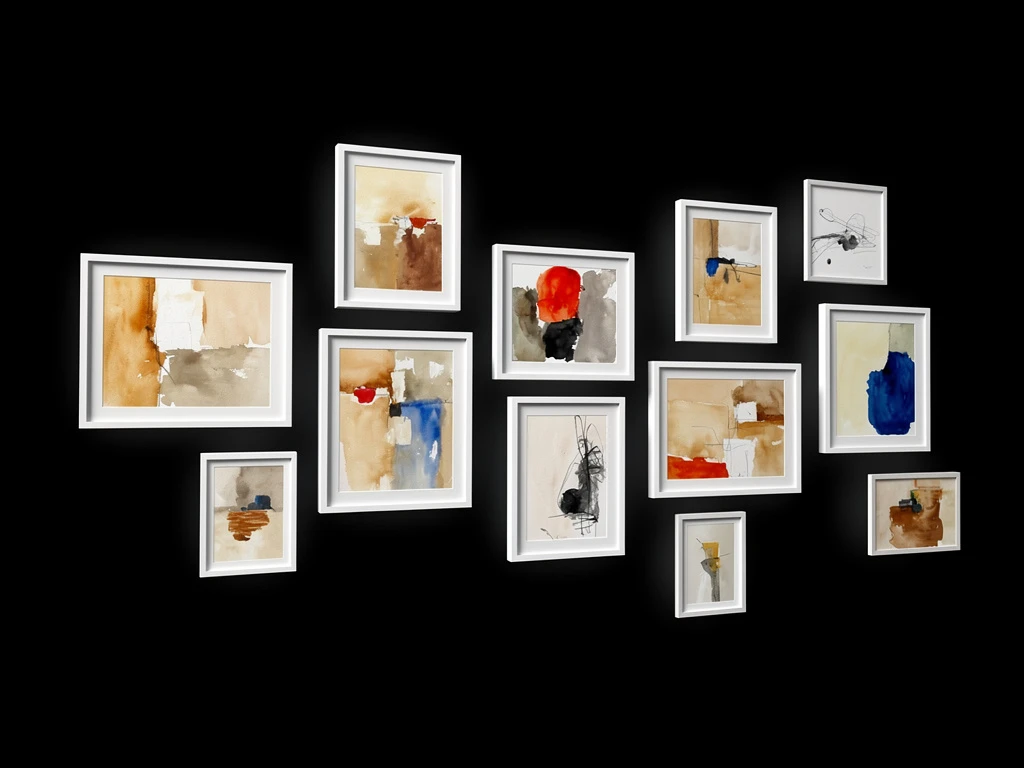
A purely flat scan of a canvas makes it difficult for a layperson to grasp its massive physical scale or delicate texture. While the flat reproduction is critical, accompany major pieces with "in situ" environmental shots.
Photograph the painting hanging in an impeccably styled modern living room, or capture a tight detail shot emphasizing the intricate impasto brushwork. For sculptors, use short, looping video clips of the piece slowly rotating in natural light to communicate depth.
When an online collector can visualize how the piece commands a physical room, they are much closer to making a significant purchasing decision. They aren't just buying paint; they are buying an aesthetic addition to their environment.
Your physical masterpieces deserve a world-class digital exhibition built perfectly for artists. With Portfoliobox, you can effortlessly spin up elegant, distraction-free galleries that elevate your artwork directly to the eyes of high-end collectors and international curators.