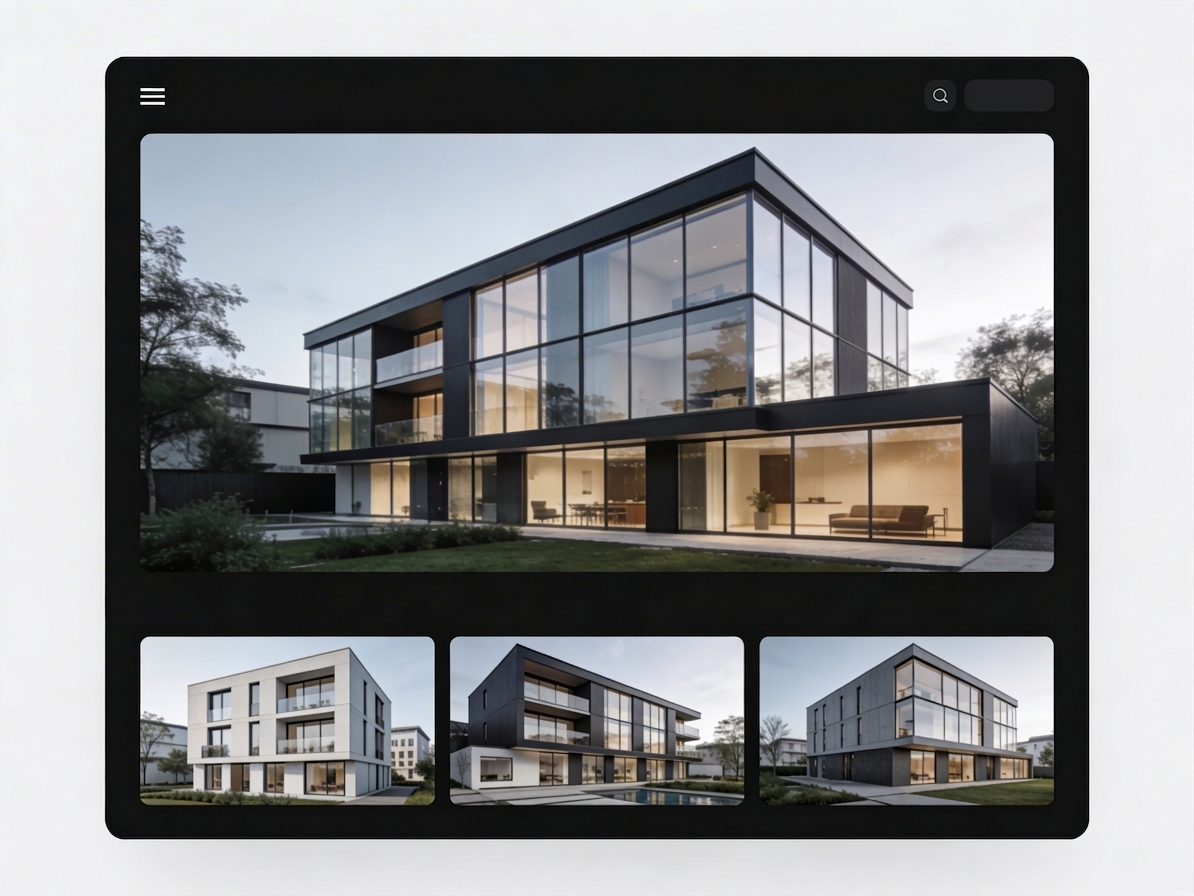
When an architectural firm designs a new website, 95% of the budget and aesthetic energy is poured directly into the homepage 'Work' gallery. The principals obsess over the exact pixel-alignment of their skyscraper rendering.
Then, at the last possible minute before launch, a junior designer is tasked with quickly typing out a generic "About Us" page. This is a catastrophic miscalculation.
When a multi-million dollar real estate developer is deciding between three different architectural firms for a massive civic project, they do not just look at the pictures. They click the "About" page to see who they are actually handing twenty million dollars to. If your firm's About page consists of a single vague sentence about "passion for design" and a blurry group photo taken on an iPhone, the developer will instantly assume you lack the corporate discipline required to manage their budget.
Your architecture firm about page is your primary tool for establishing institutional trust. Here is the exact blueprint for writing and formatting it.
The 'Philosophy' vs 'Capability' Binary
A premium About page must balance romance with harsh mathematics.
Architects often make the mistake of writing five paragraphs of dense, philosophical jargon about "spatial phenomenology" and "symbiotic material actualization." A corporate client does not understand what that means.
You must separate your text into two distinct blocks:
- The Studio Philosophy (The Romance): A short, two-paragraph manifesto explaining why your firm exists. Keep it grounded. "We believe modern commercial environments should foster human connection without sacrificing fiscal efficiency."
- The Studio Capabilities (The Math): Immediately beneath the philosophy, provide a rigid, bulleted list of your exact technical services.
- Master Planning & Urban Design
- Feasibility Studies & Zoning Navigation
- LEED Certification & Passive Systems
- Parametric BIM Modeling
This dual-structure assures the client that while you are highly creative, you also explicitly understand the logistical nightmare of obtaining a building permit.
Establishing Human Authority
Real estate developers do not hire buildings; they hire people holding the liability insurance.
You cannot hide behind a generic corporate logo. The 'About' page must explicitly feature the Principal Architects. However, do not use stiff, terrifying corporate headshots taken against a fake gray backdrop.
Photograph the Principals natively in their environment. Show them leaning over a drafting table reviewing an enormous physical blueprint, or standing on an active construction site wearing hardhats. These "environmental portraits" subconsciously project active, hands-on leadership to the client.
Cultivating the 'Press & Awards' Ecosystem
In commercial architecture, authority is derived directly from third-party validation. If you have won an industry award or been published in an architectural journal, you must weaponize it.
Do not simply drop an unformatted list of text links at the bottom of the page. Design a dedicated "Recognition" block. Upload the minimalist, monochromatic logos of the publications that have featured your firm (e.g., ArchDaily, Dezeen, Architectural Record).
When a corporate client sees these recognizable logos, they instantly assume your firm has been heavily vetted by elite industry critics, drastically lowering their perceived financial risk.
The Immediate Contact Integration
The ultimate goal of the "About" page is to trigger an email or a phone call.
Do not force the developer who just spent five minutes reading your brilliant firm philosophy to scroll back to the top of the page to find an invisible "Contact" link. Embed your native contact infrastructure directly at the bottom of the About page narrative.
Deploy a highly-structured discovery form asking for Project Scope, Estimated Budget, and Timeline Requirements immediately following the Principal biographies.
Building institutional trust requires absolute typographical control and elegant structural layouts. With Portfoliobox, architecture studios can deploy highly customized, multi-column 'About' pages, seamlessly integrating pristine environmental photography alongside rigorous technical capability lists — no coding required.