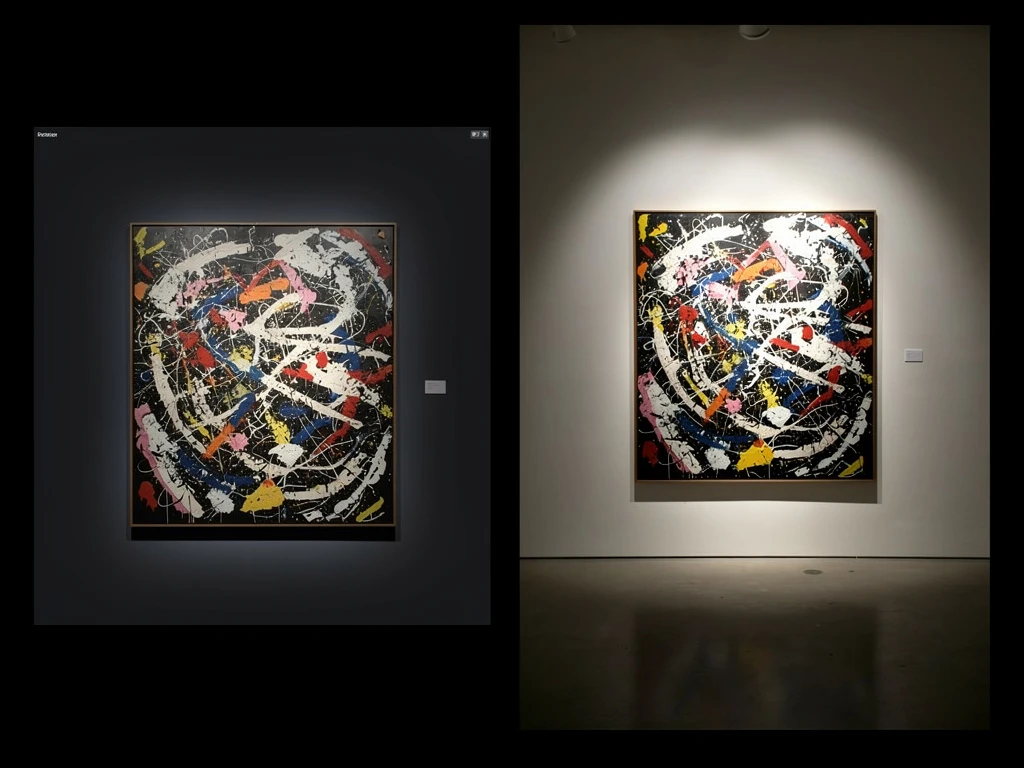
When a fine artist—a traditional painter, sculptor, or gallery curator—decides to build a website, they often look for the fastest, easiest solution. Jimdo is frequently recommended because its AI-driven builder promises to create a website for you in minutes.
While automation is great for setting up a quick landing page for a local yoga studio or a freelance consultant, it is often disastrous for fine art. Fine art is deeply personal, highly textural, and relies on bespoke presentation to command premium prices. When an automated algorithm decides how your $5,000 oil painting should be cropped, the soul is stripped from the work. If you are tired of generic, AI-generated layouts, you need a dedicated Jimdo alternative. Here is why fine art professionals choose Portfoliobox.
The Limitations of Jimdo for Fine Artists
Jimdo prioritizes speed and automation over creative control. For a visual artist, this trade-off creates severe bottlenecks.
1. The Loss of Creative Control
Jimdo’s ADI (Artificial Design Intelligence) builds the site for you based on a few questions. The result is a highly standardized, rigid template. If you want to break the grid—perhaps by placing a massive, full-screen vertical shot of your bronze sculpture next to a delicate, small charcoal sketch—Jimdo often fights you. The platform doesn't understand the deliberate asymmetry and pacing required to curate a high-end art exhibition.
2. Compression of High-Resolution Art
Because Jimdo caters to mass-market small businesses, its servers are optimized for fast loading of text and basic graphics. When you upload a 15MB photograph of your textured canvas, Jimdo’s backend will heavily compress it. When a collector zooms in to see your brushwork, they will see pixelation instead of impasto. This instantly cheapens the perceived value of your original art.
3. Limited E-commerce for Originals
Jimdo offers e-commerce, but it is built for selling standard retail items (like t-shirts with variants). Selling a one-of-a-kind original painting requires a different, more elegant purchasing flow. Jimdo's storefront templates often feel completely disconnected from the "white-wall gallery" aesthetic you need to sell high-ticket art.
The Portfoliobox Advantage
Portfoliobox was not built for plumbers or yoga studios; it was built exclusively for visual creatives. It offers the creative control that automated builders lack, making it the premier Jimdo alternative.
1. Bespoke, Unrestricted Layouts
Portfoliobox does not use AI to guess what you want. It gives you an expansive library of elegant, sophisticated gallery blocks and lets you build exactly what you envision. You can utilize dynamic masonry grids, immersive horizontal sliders, or stark, minimalist single-column layouts. You control the negative space, the typography, and the pacing, ensuring your website feels like an exclusive art gallery.
2. Gallery-Grade Image Rendering
Portfoliobox’s infrastructure is designed to handle massive, high-resolution files. It prioritizes pristine visual rendering over aggressive compression. When a collector views your site, the colors of your pigments will be hyper-accurate, and the subtle textures of your canvas or sculpting materials will remain crystal clear.
3. Native, Zero-Commission Commerce
Portfoliobox features an e-commerce engine designed specifically for artists. You can effortlessly sell physical prints, limited-edition lithographs, or original canvases directly alongside your portfolio. Most importantly, Portfoliobox takes zero commission on your sales. If you sell a painting for $3,000, you keep 100% of the profits.
The Verdict
Jimdo is an excellent tool if you need a functional, automated website launched by tomorrow morning. But if your career relies on the immaculate, bespoke presentation of your fine art, automation is your enemy.
If you are ready to reclaim creative control and present your art with the luxury it deserves, you need a platform built for artists. With Portfoliobox, you can build a stunning, premium fine art portfolio in minutes — no coding required.