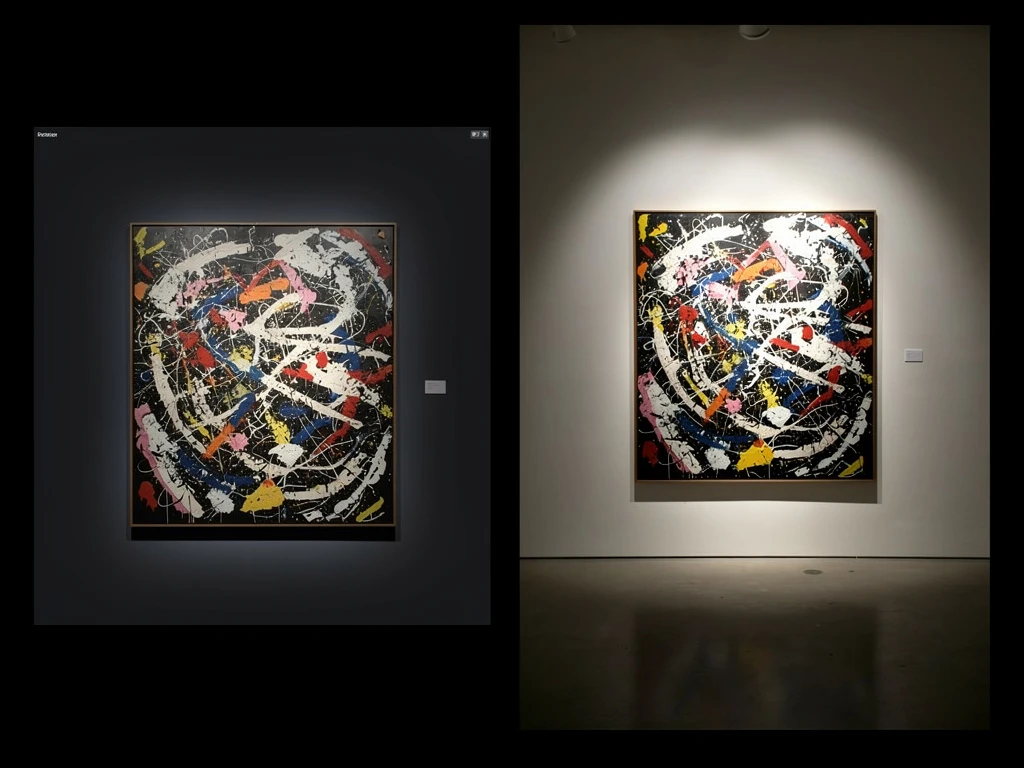
For fine artists—whether you paint massive abstract canvases, sculpt in bronze, or create intricate mixed-media installations—your website is your digital gallery. It must exude the same level of luxury, professionalism, and intentionality as a high-end physical gallery space.
When choosing a platform to host this digital gallery, artists often compare the most popular visual builders. In the matchup of Carbonmade vs Portfoliobox, you are essentially comparing two entirely different philosophies of presentation. One platform is built to be quick and playful; the other is built to be bespoke and premium. Here is a direct, head-to-head analysis to help you decide which is the ultimate web builder for your fine art career.
1. Aesthetic and Brand Alignment
Carbonmade: Carbonmade is famous for its playful, quirky, and colorful branding. Its UI is fun, utilizing cartoonish icons and bright, pre-set themes. While this is great for a junior graphic designer or a casual hobbyist, it creates a massive brand disconnect for a fine artist. If you are selling a $4,000 moody, atmospheric oil painting, surrounding it with a quirky, bright website template actively cheapens the perceived value of your artwork.
Portfoliobox: Portfoliobox is built for premium presentation. It leans heavily into the "invisible frame" philosophy. It offers stark, minimalist layouts, elegant typography, and deep dark-mode options. The interface gets out of the way, allowing the rich colors, textures, and emotional weight of your fine art to command the screen. It feels like a high-end contemporary art gallery, instantly elevating your brand authority.
Winner: Portfoliobox (For providing a premium, luxury aesthetic).
2. Layout Flexibility
Carbonmade: To keep its builder incredibly simple, Carbonmade restricts your choices. You are generally forced into very standard, rigid grid layouts. If you want to curate a page that mixes a wide, horizontal shot of an art installation next to a tight, vertical macro-shot of the texture, Carbonmade’s rigid grid will often auto-crop your images awkwardly. You cannot easily break the grid to create dynamic pacing.
Portfoliobox: Portfoliobox abandons restrictive templates. It offers a massive library of gallery blocks, including dynamic asymmetrical masonry layouts. This allows you to mix images of any aspect ratio seamlessly. You control the margins, the padding, and the exact flow of the imagery, giving you the power to curate your digital exhibition exactly as a gallery director would curate a physical room.
Winner: Portfoliobox (For offering unrestricted, bespoke layout control).
3. Selling Your Original Art (E-commerce)
Carbonmade: Carbonmade is designed purely as a display portfolio. It does not have a native, built-in e-commerce engine. If a collector sees a painting they want to buy, they have to email you, or you have to link them out to a third-party marketplace (which breaks the premium, cohesive experience of your website).
Portfoliobox: Portfoliobox is designed for working artists who need to monetize their passion. It features a robust, fully integrated e-commerce engine. You can sell physical art prints, limited-edition lithographs, or original canvases directly through your site. The storefront blends perfectly with your portfolio galleries, and most importantly, Portfoliobox takes zero commission fees on your sales.
Winner: Portfoliobox (For seamless, zero-commission e-commerce).
4. Image Quality and Resolution
Carbonmade: While Carbonmade displays images well enough for casual browsing, its focus on fast, playful templates means it doesn't prioritize uncompressed rendering for massive files. The subtle textures of a watercolor or the thick impasto of an oil painting can lose their sharpness.
Portfoliobox: Because Portfoliobox caters heavily to photographers and fine artists, its infrastructure is built to handle heavy, high-resolution imagery. Your art will render with absolute clarity, allowing collectors to zoom in and appreciate the physical details of your medium.
Winner: Portfoliobox (For prioritizing high-fidelity visual rendering).
The Final Verdict
In the debate of Carbonmade vs Portfoliobox for fine art, the choice comes down to how seriously you want your work to be taken.
Carbonmade is a fun, easy tool for getting a few images online quickly. But if you want to command high prices, attract serious gallery representation, and run a profitable art business, you cannot use a quirky, restrictive template.
If you want a digital space that respects the value of your fine art, Portfoliobox is the undisputed winner. With Portfoliobox, you can build a stunning, agency-grade fine art portfolio in minutes — no coding required.