Imagine landing a major editorial shoot, only to have the client ask for a beautifully branded, private gallery of the raw images—and realizing your current website builder can't handle it. For many early-career photographers, platforms like Jimdo offer a quick way to get a basic website off the ground. But as your professional demands increase, you might suddenly find yourself in need of a serious Jimdo alternative.
A true photography portfolio needs to be more than just a digital business card. It must be a dynamic space that adapts to your changing style, accommodates high-resolution imagery, and actively helps you run your creative business.
Why Photographers Outgrow Jimdo
Jimdo is built for general small businesses, which means its feature set is broad but rarely deep enough for specialized creative professionals. Here is why photographers eventually look elsewhere:
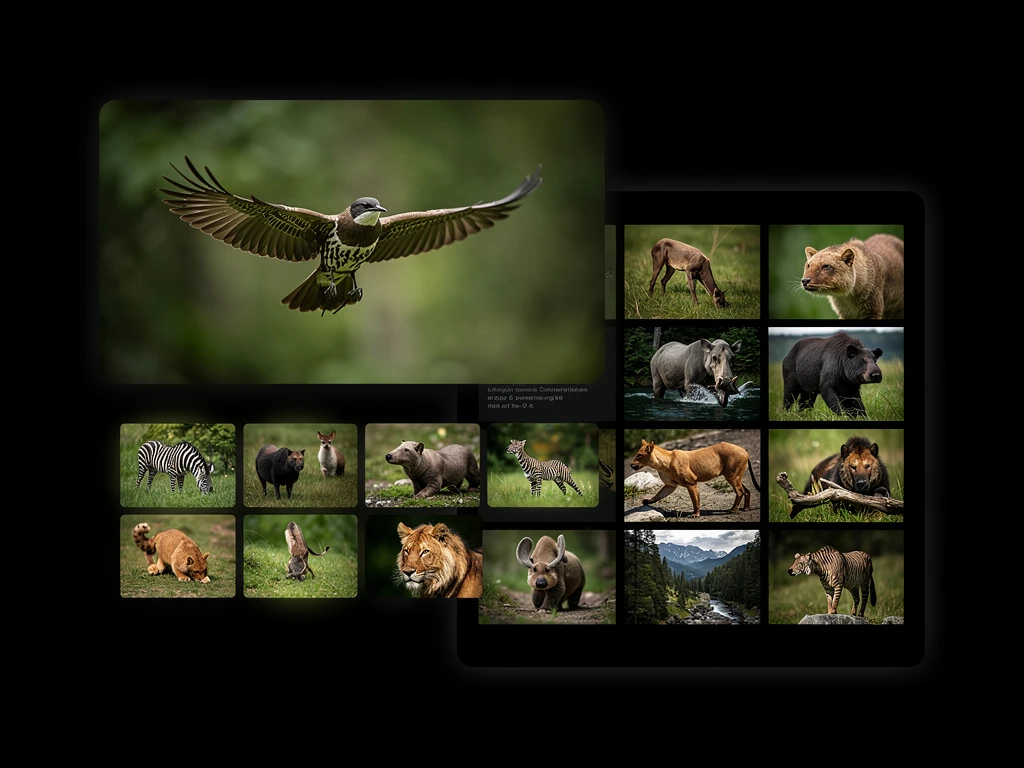
- Rigid Templates: Jimdo's AI-driven design tools are great for speed but terrible for bespoke creativity. If you want a specific masonry layout for your architecture shots and a horizontal scroll for your fashion portraits, you're out of luck.
- Limited Image Management: Photography sites demand robust image handling. Jimdo's media library and gallery options often lack the fine-tuned control over image compression, cropping, and display that professionals require.
- Missing Creative Commerce: While Jimdo has an online store, it isn't optimized for selling digital downloads, physical prints with various framing options, or booking photography services directly.
What You Need in a New Platform
When moving away from a generalist website builder, your next platform needs to be built with visual artists in mind from the ground up. You need:
- Design Autonomy: The ability to customize individual pages without being forced into a site-wide rigid template.
- Professional Proofing: A secure way to share password-protected galleries with clients for review and selection.
- Zero-Commission Sales: E-commerce tools that let you keep 100% of your profits when you sell a print or book a session.
How Portfoliobox Fills the Gap
This is exactly why Portfoliobox has become the go-to Jimdo alternative for photographers. It strips away the generic constraints and provides a toolkit engineered for creative professionals.
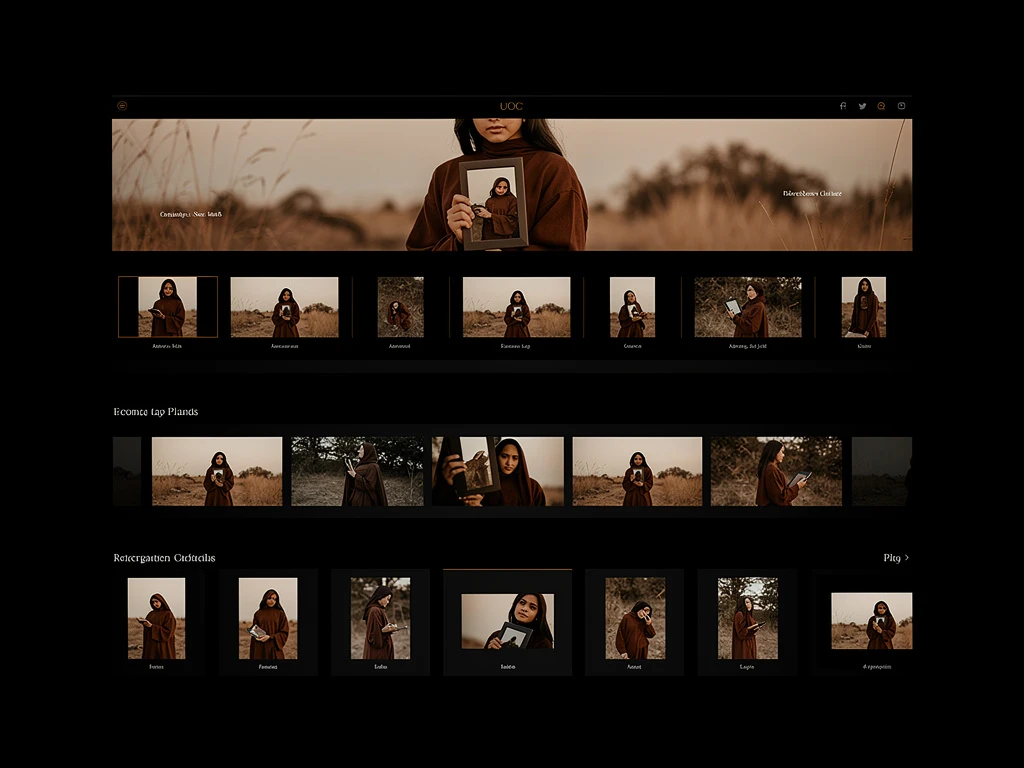
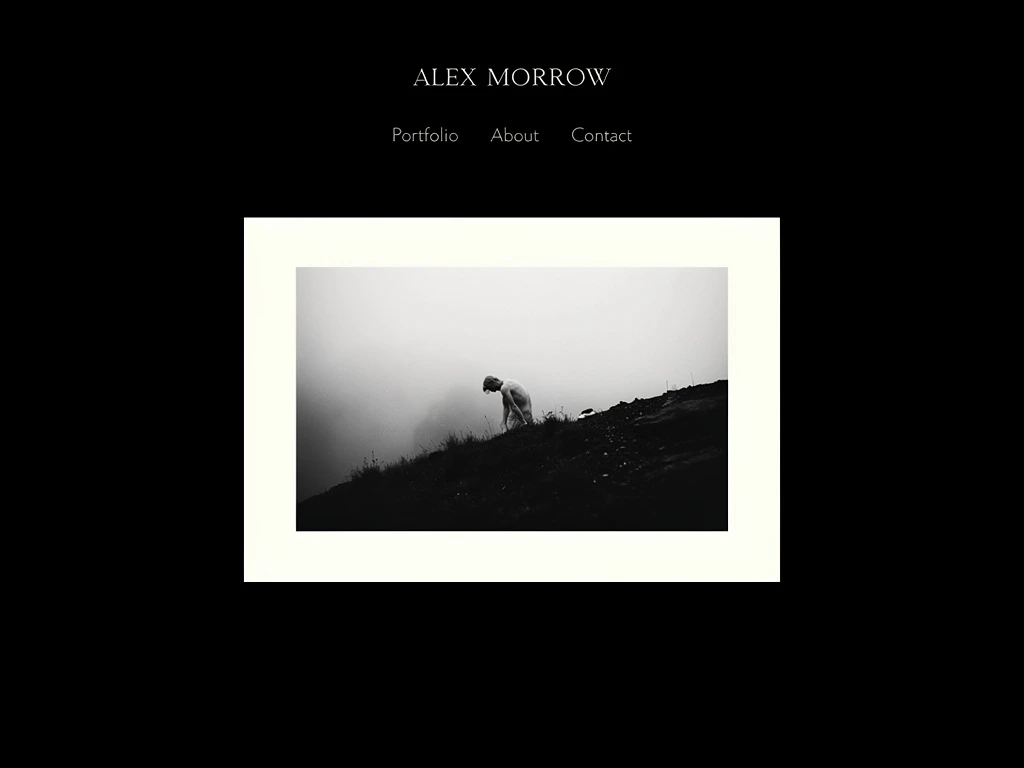
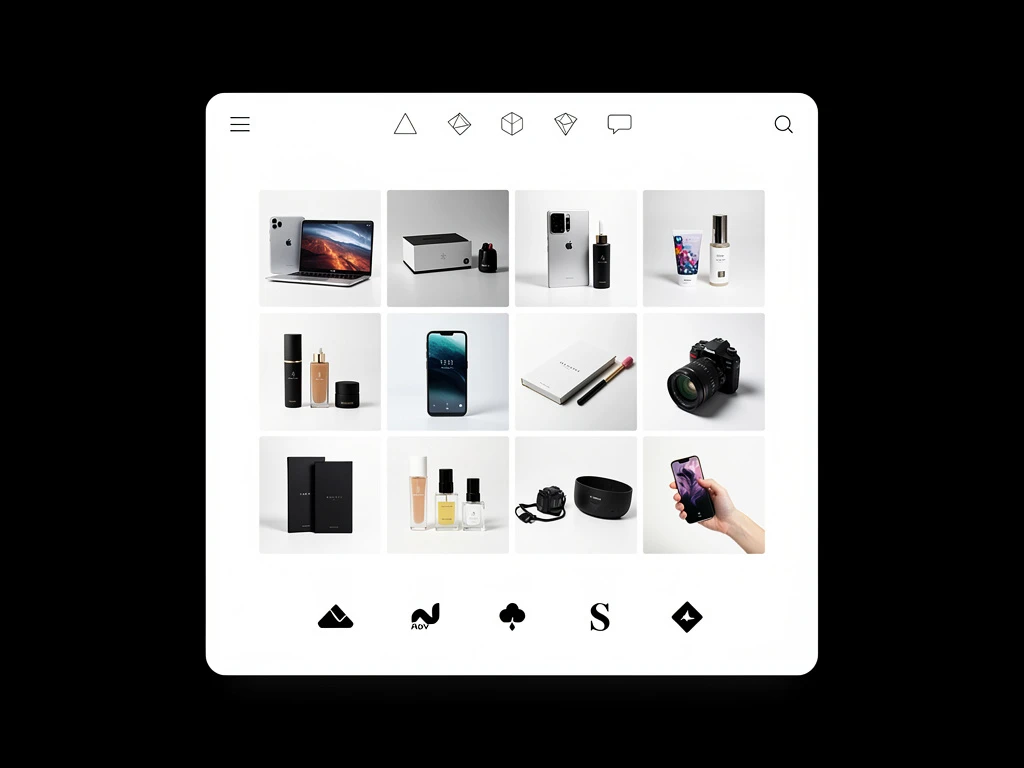
With Portfoliobox, you aren't restricted by a single overarching theme. You can create a dark, moody, full-screen gallery for your fine art photography, and a clean, light-mode grid for your commercial work—all seamlessly integrated into one cohesive website.
Furthermore, Portfoliobox understands the business of photography. It includes native client proofing galleries, allowing you to streamline your workflow directly from your own domain. And when it comes to making money, the built-in e-commerce allows you to sell prints, digital files, and services with absolutely no commission fees.
Tips for Migrating Your Portfolio
Leaving your old site behind is the perfect excuse to refine your brand.
- Edit Ruthlessly: Don't migrate every single photo you've ever taken. Use this transition to curate your work down to only the absolute best pieces that represent the direction you want your career to go.
- Optimize for Speed: Before uploading to your new Portfoliobox site, make sure your images are exported at the correct resolution and compressed for the web.
- Update Your Copy: Take the time to rewrite your "About" page and service descriptions to reflect your current, more professional status.
Building your portfolio doesn't have to be complicated. With Portfoliobox, you can create a stunning portfolio website in minutes — no coding required.