Choosing the right platform to showcase your photography can feel like navigating a maze. With so many options available, it often comes down to a few strong contenders. If you're weighing Cargo vs Portfoliobox, you're looking at two platforms that specifically cater to creative professionals. But which one is truly the best fit for a photography business?
While both builders offer unique approaches to portfolio design, they serve slightly different needs. Let's dive into a feature-by-feature comparison to help you make an informed decision for your online presence.
Feature-by-Feature Comparison
Design and Customization
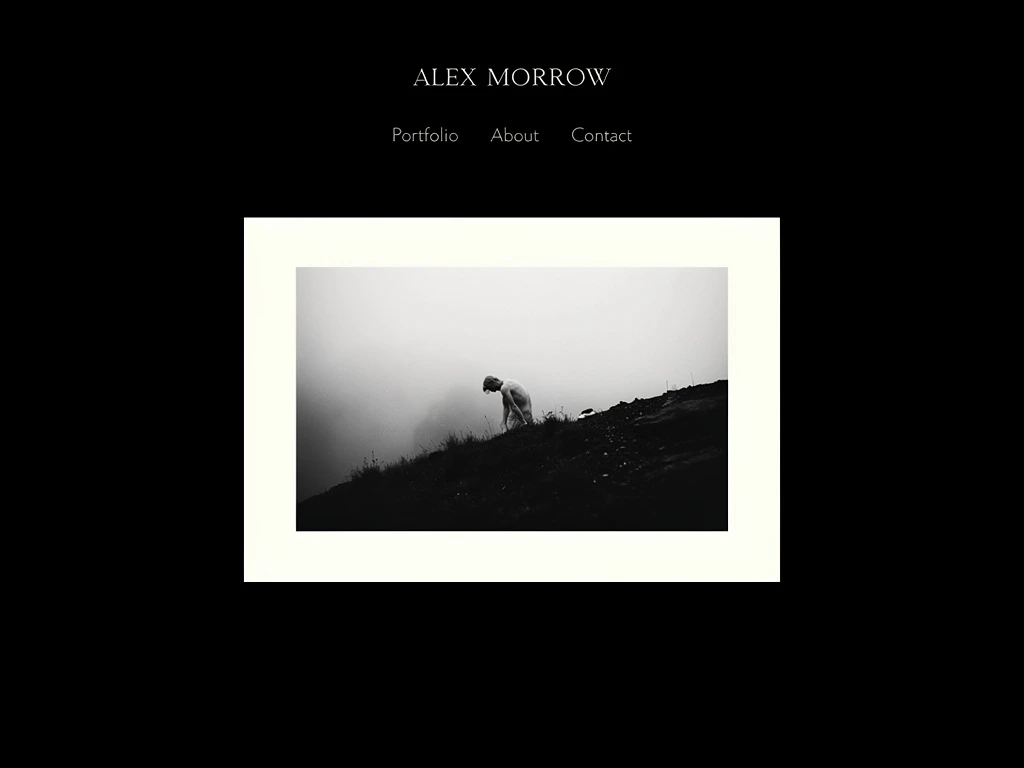
Cargo is known for its avant-garde, brutalist aesthetic. It offers unconventional templates that appeal heavily to experimental designers and conceptual artists. However, customizing Cargo can sometimes require a steeper learning curve, especially if you want to tweak its highly specific, code-heavy templates.
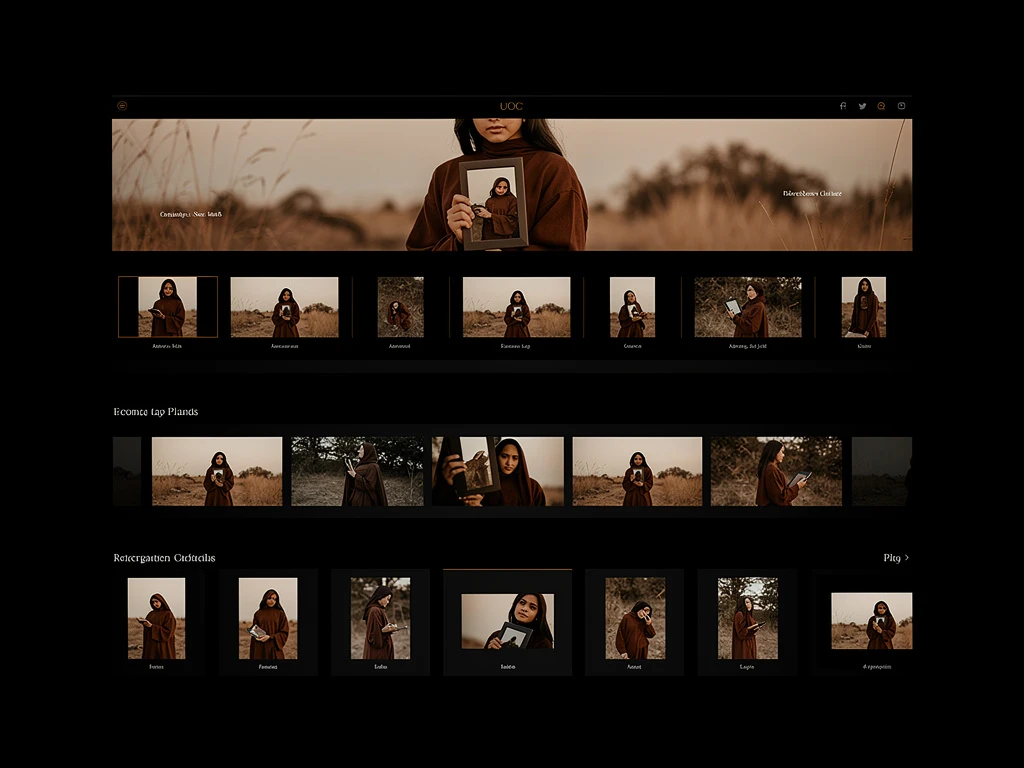
Portfoliobox, on the other hand, prioritizes flexibility without the need for coding. It shines in its ability to let you mix and match different gallery styles—such as full-screen sliders for hero images and masonry grids for event photography—all within the same website. The interface is intuitive, meaning you can focus on curating your photography rather than wrestling with CSS.
E-commerce and Business Tools
For professional photographers, a website needs to do more than just display images.
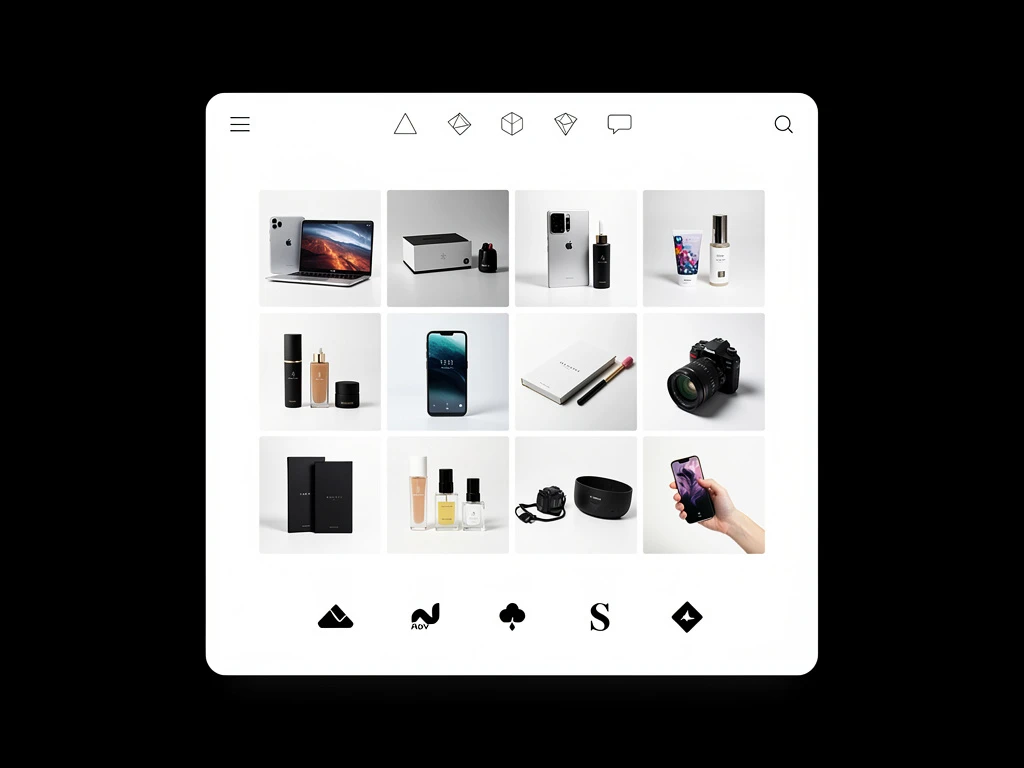
Cargo offers basic commerce features suitable for selling a few items, like zines or posters, but it isn't built to be a comprehensive store.
Portfoliobox includes built-in e-commerce tools tailored for creatives. You can easily sell physical prints, offer digital image downloads, and manage client bookings directly from your site, with zero commission fees taken by the platform.
Client Proofing
Cargo does not natively focus on client proofing, which is a critical feature for wedding, portrait, and commercial photographers.
Portfoliobox offers dedicated features for creating private client galleries. You can set up password-protected pages where clients can view, select, and comment on their images, streamlining your post-shoot workflow.
Pricing
When it comes to cost, transparency is key.
Cargo operates on a simple subscription model but requires a paid upgrade to connect a custom domain or access its full commerce features. The base site is free to build, but you have to pay to take it public professionally.
Portfoliobox offers highly competitive, transparent pricing tiers tailored to how many images and products you need to host. Even the lower tiers provide access to premium features, making it an incredibly cost-effective choice for photographers at every stage of their career.
Who Each is Best For
Cargo is best suited for experimental artists, graphic designers, or photographers whose brand identity aligns with a very raw, edgy, or brutalist aesthetic and who don't mind diving into code.
Portfoliobox is best for professional photographers who want a stunning, easily customizable portfolio with powerful integrated business tools (like e-commerce and client proofing) without needing to touch a single line of code.
The Verdict
In the debate of Cargo vs Portfoliobox for photography, Portfoliobox emerges as the clear winner for working professionals. While Cargo offers a distinct artistic vibe, Portfoliobox provides the comprehensive toolkit—from versatile galleries to client management and zero-commission e-commerce—that photographers need to actually grow their business.
Building your portfolio doesn't have to be complicated. With Portfoliobox, you can create a stunning portfolio website in minutes — no coding required.