When you want to build an online presence for your visual work, choosing the right platform can dictate how the industry perceives you. The debate of ArtStation vs Portfoliobox frequently comes up among creatives who are looking for a dedicated space to showcase their talent. But when it specifically comes to photography, these two platforms offer vastly different experiences.
While one is deeply rooted in the gaming and concept art community, the other is built as a versatile toolkit for working professionals. Let's explore a feature-by-feature comparison to see which website builder will serve your photography career best.
Feature-by-Feature Comparison
Portfolio Design and Flexibility
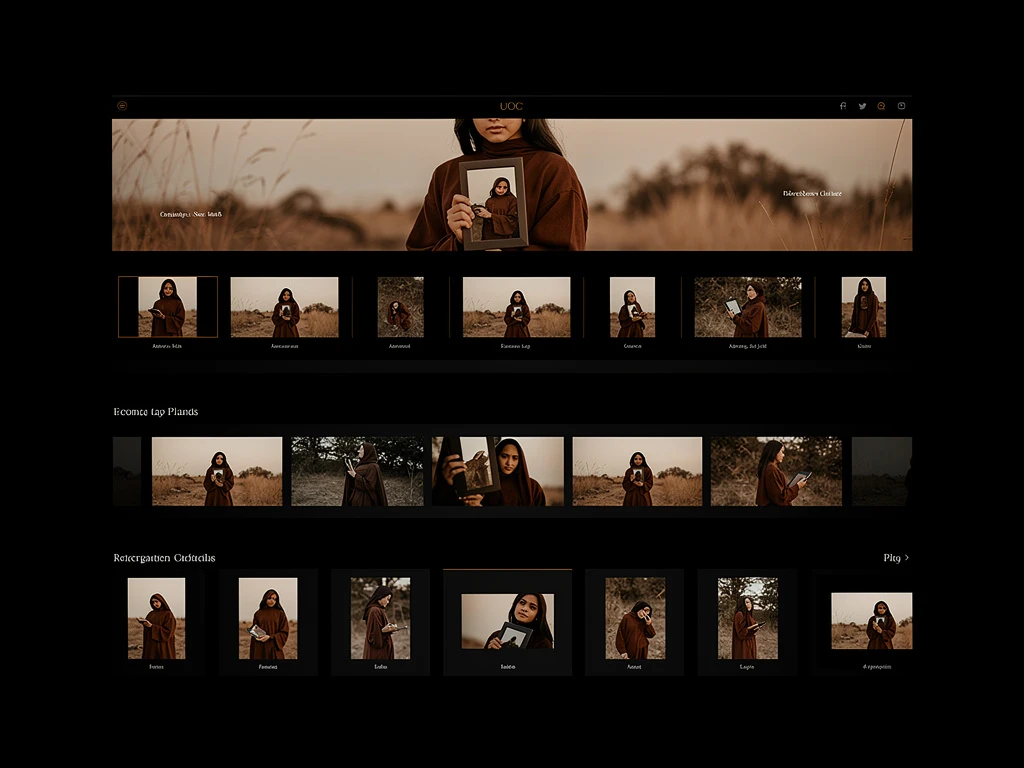
ArtStation functions primarily as a social network and portfolio hybrid. Your profile is clean, but it's largely standardized to match the site's network-wide aesthetic. You don't get a fully autonomous website; instead, you get a gallery page. The layout options are very limited, meaning your photography will look exactly like everyone else's on the platform.
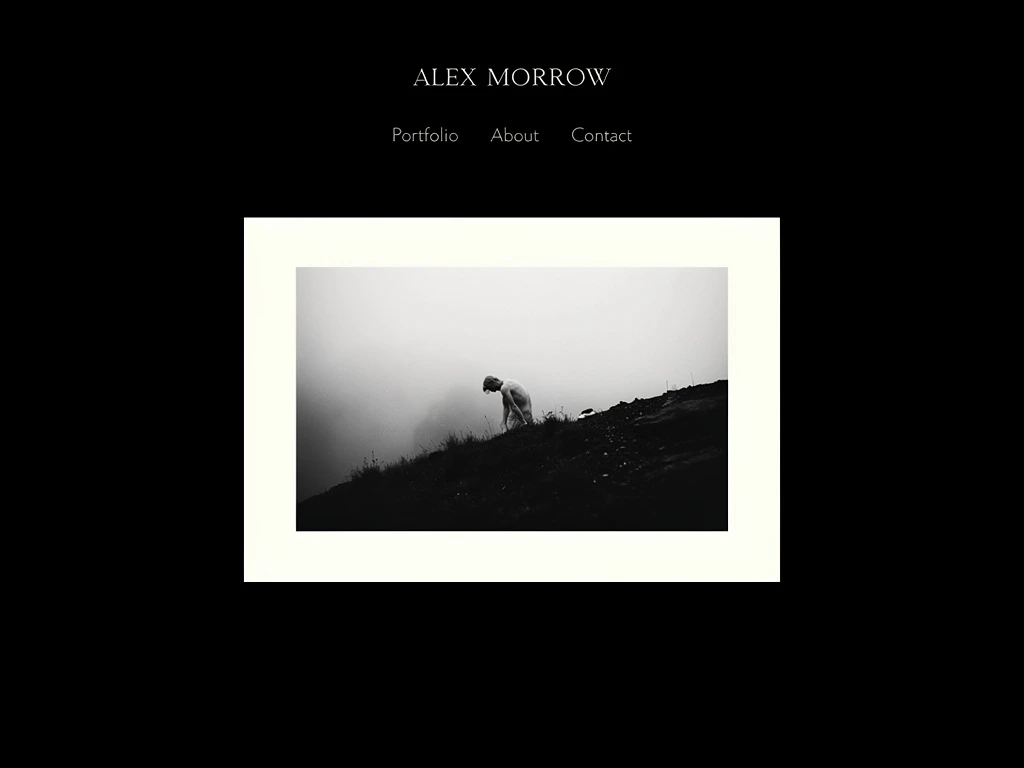
Portfoliobox operates as a standalone website builder. It gives you complete creative control over your layout. You can mix a horizontal scrolling gallery for your fashion editorial pieces with a dense masonry grid for a wedding shoot. Your site feels like your own unique domain rather than a profile on a social network.
E-commerce and Selling Your Work
ArtStation offers a built-in marketplace where you can sell prints and digital assets. However, it takes a significant cut of your sales, and the storefront is integrated into the broader ArtStation marketplace, meaning your work sits right next to competitors.
Portfoliobox provides dedicated e-commerce tools that allow you to set up a private store on your own site. Whether you are selling limited edition physical prints or booking client photoshoots, you handle the transactions directly on your domain, and Portfoliobox takes absolutely zero commission on your sales.
Client Interaction and Proofing
ArtStation has no built-in client proofing mechanism. It's meant for displaying finished work to art directors and peers, not for managing a client workflow.
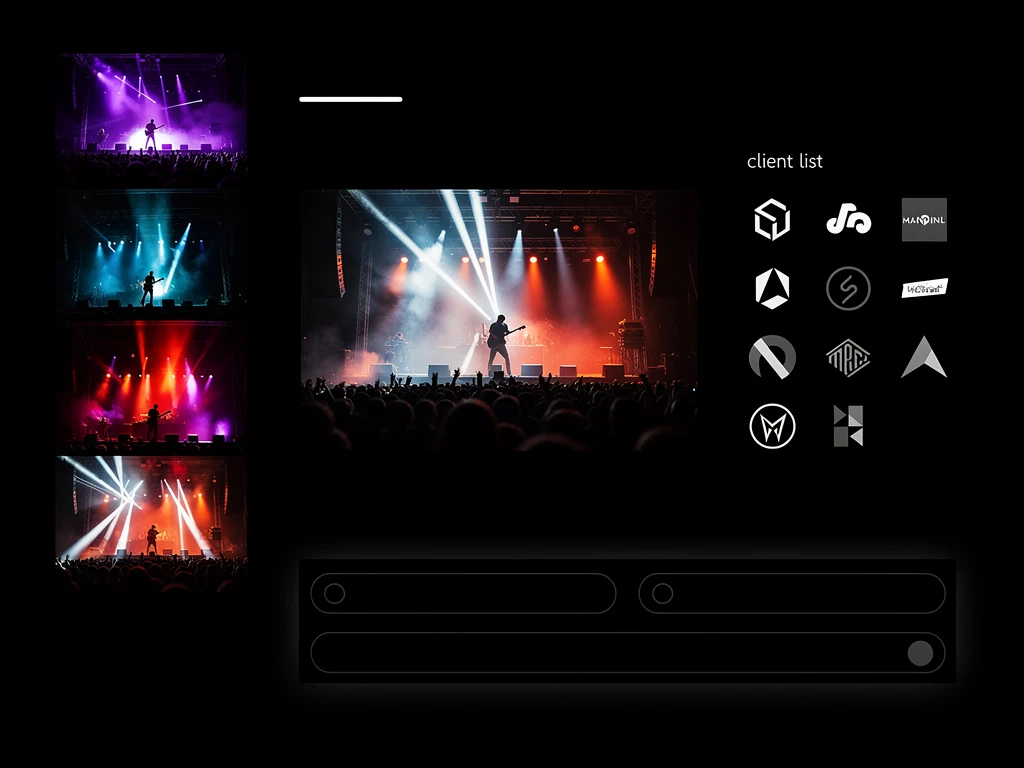
Portfoliobox excels here with native client proofing galleries. If you shoot portraits, weddings, or commercial work, you can send clients a password-protected link where they can view, select, and comment on their images.
Pricing
ArtStation offers a free basic tier, but to access premium features or customize your portfolio, you need an ArtStation Pro subscription. Furthermore, the commission taken on marketplace sales can eat into your profits quickly if you sell frequently.
Portfoliobox offers completely transparent pricing tiers that scale with the size of your portfolio. More importantly, because there are no commission fees on e-commerce, the monthly subscription quickly pays for itself once you start selling prints or booking clients.
Who Each is Best For
ArtStation is best for concept artists, 3D modelers, and illustrators looking to get hired by the entertainment or gaming industries. For photographers, it serves better as a secondary networking tool rather than a primary portfolio.
Portfoliobox is best for professional photographers who need a fully customizable, independent website equipped with serious business tools like zero-commission e-commerce and client proofing.
The Verdict
In the matchup of ArtStation vs Portfoliobox for photography, Portfoliobox is the definitive winner. ArtStation is a fantastic community for the gaming and VFX industry, but it simply lacks the specialized layouts and business features that a working photographer needs. Portfoliobox gives you the professional autonomy to build a brand, manage clients, and sell your work on your own terms.
Building your portfolio doesn't have to be complicated. With Portfoliobox, you can create a stunning portfolio website in minutes — no coding required.