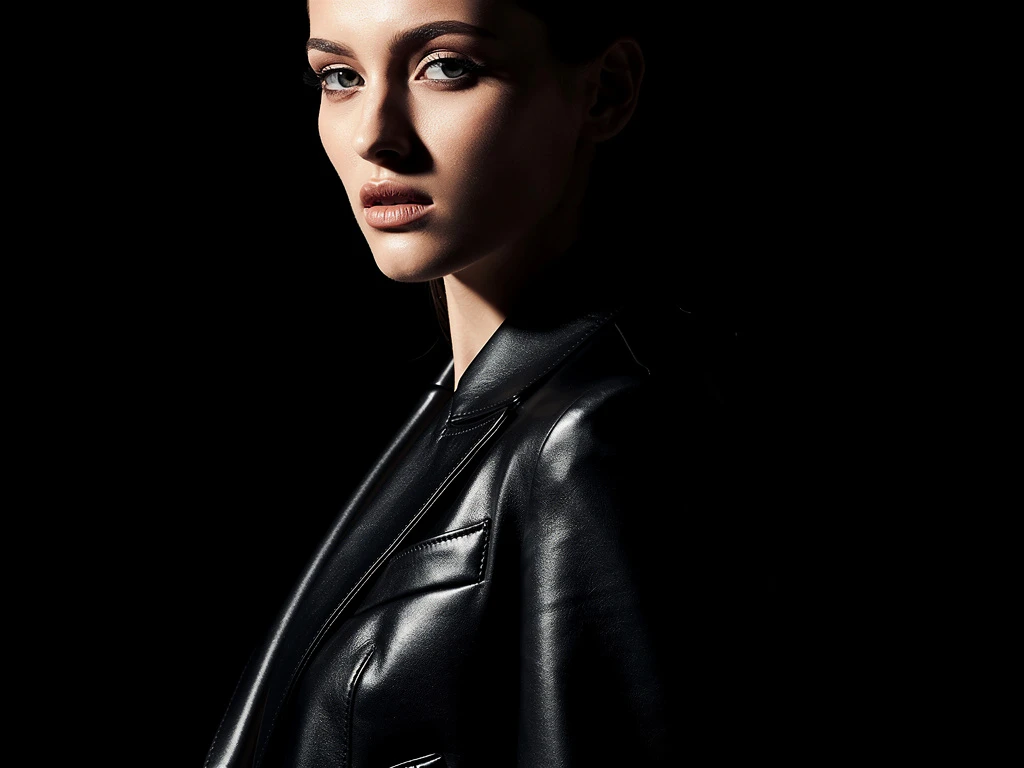
Historically, the modeling industry was walking the runway in Paris or appearing on a massive physical billboard in Times Square.
Today, the most consistent, lucrative revenue stream for a working model is the digital e-commerce sector. Massive online retailers (from ASOS to Gymshark to local boutique Shopify stores) require thousands of photographs a day to update their digital web catalogs. They need reliable, fast "Web Models" who know how to sell a garment to a scrolling internet consumer.
However, if you attempt to secure an e-commerce catalog contract using a moody, avant-garde high-fashion editorial portfolio, the brand will reject you. E-commerce directors are not looking for abstract high art; they are looking for volume, consistency, and relatable garment presentation. Here is exactly how to structure the layout of a specialized Web Model portfolio to capture massive e-commerce contracts.
1. The 'Invisible' Photographic Background
E-commerce directors have a very specific aesthetic phobia: distraction. They are trying to sell a beige sweater. They do not want the customer looking at the beautiful sunset or the interesting brick wall behind the model.
To prove you are an elite web model, your primary digital gallery must prove you understand seamless studio environments. Your layout should be dominated by imagery shot against "Seamless Paper" (typically stark white, light grey, or pastel).
When an e-commerce director scrolls through your website grid and sees twenty photos of you executing flawless, diverse poses against a pure white background, they instantly know they can drop you into their busy studio tomorrow and you will produce viable product shots immediately.
2. Emphasizing Garment Interaction
A traditional model is hired to look beautiful. A web model is hired to demonstrate a product.
Your portfolio layout must actively showcase your "kinetic wardrobe awareness." Do not just post static, rigid headshots. You must upload specific photographs proving you know how to physically manipulate fabrics on a studio set.
- Show a photo of you sharply flipping a thick winter coat to show the interior lining.
- Show a photo of you jumping energetically to demonstrate the elastic stretch of athletic wear.
- Show a photo of you interacting specifically with pockets, zippers, or bag straps.
By categorizing these specific "Garment Interaction" shots near the top of your web layout, you solve the exact problem the e-commerce brand is trying to fix.
3. The Volume Validation Grid
In high-fashion editorial, showing three perfect pictures is enough. In web modeling, a brand needs to know you can deliver eighty viable pictures in a single eight-hour shift.
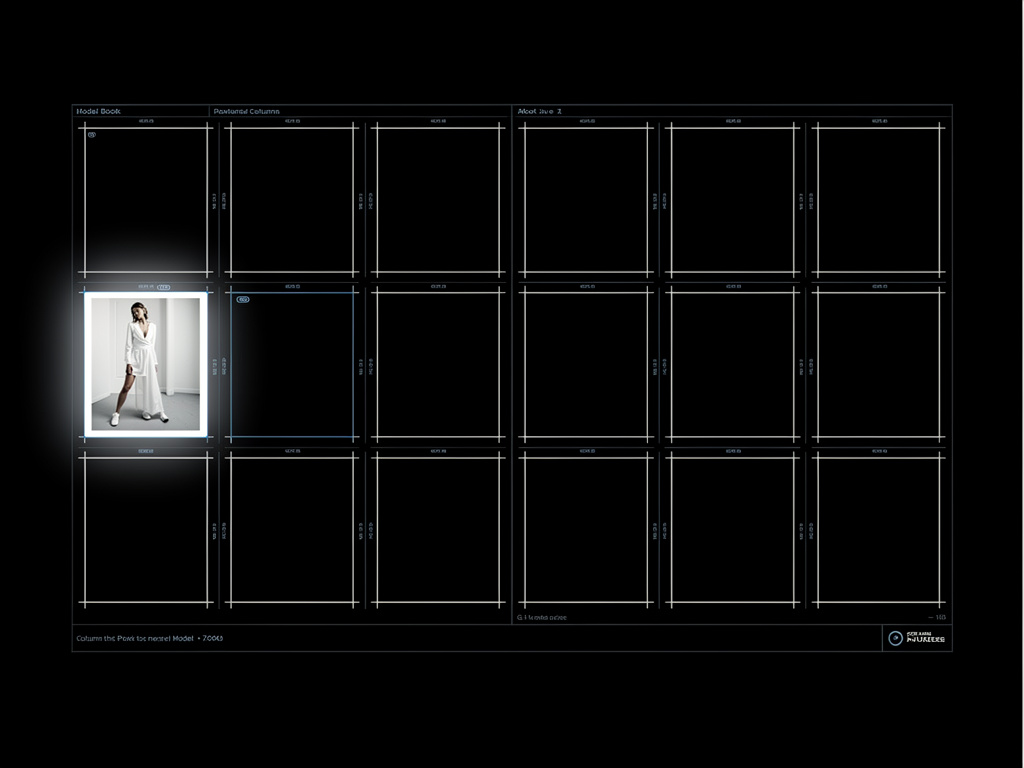
You must prove volume consistency. Your e-commerce gallery layout should utilize a dense, multi-column masonry grid.
Do not use extreme negative space. Pack the grid relatively tight. Show an entire sequence of thirty catalog shots from a single brand. When the casting director sees that you look flawless and alert across an entire thirty-shot continuous sequence, they realize you possess the stamina required for a high-volume online catalog shoot.
4. Prioritizing the 'Parts' Category
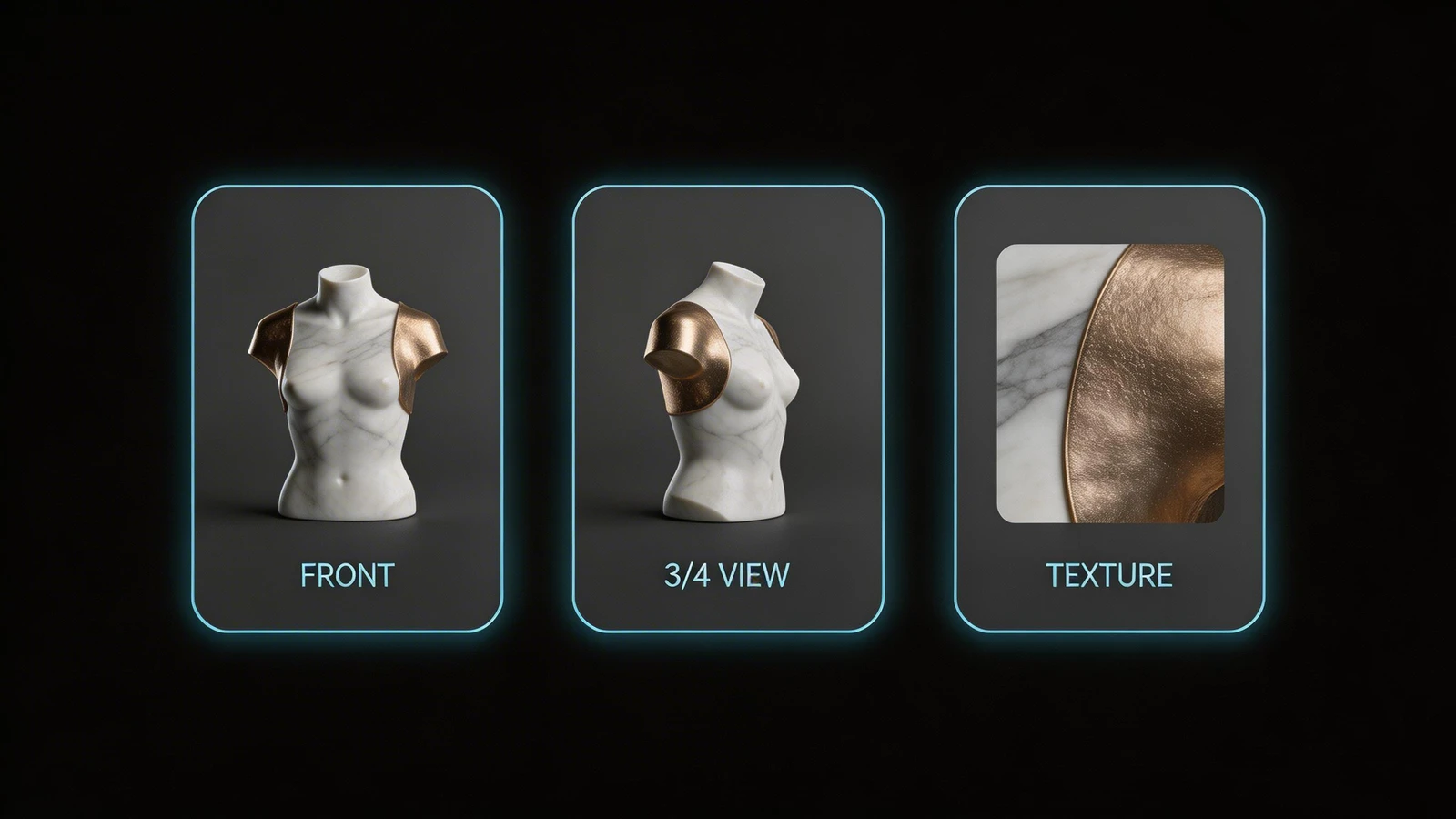
Web modeling is highly modular. Often, a brand does not need your face; they just need a hand model to hold a handbag, or a foot model to showcase a new sneaker.
A specialized web layout intelligently categorizes these highly lucrative sub-genres. Ensure your navigation menu includes a specific tab labeled "Parts & Details." Within this gallery, exclusively upload extreme high-resolution, uncompressed macro-photography of hands holding jewelry, legs modeling hosiery, or close-ups of specific makeup applications.
Dominating the e-commerce sector requires a website that flawlessly organizes massive visual volume. By running your portfolio on Portfoliobox, web models can instantly leverage unmetered, lightning-fast masonry grids to prove their commercial stamina without ever crashing the casting director's browser — no coding required.