The most paralyzing moment in a Makeup Artist's (MUA) career occurs exactly one week after graduating from cosmetology school.
You possess the technical chemical knowledge to execute a flawless cosmetic application, but you have zero corporate clients. To secure a commercial contract, you need to show an Art Director an "Online Portfolio" containing high-resolution, uncompressed professional photography. But because you have never been hired by an Art Director, you only possess blurry iPhone photos of your classmates.
This is the classic industry paradox. The only way to break this paradox without spending thousands of dollars hiring a photographer out of your own pocket is to master the "TFP" system.
Understanding TFP (Trade For Portfolio)
TFP (historically "Time For Print," now "Trade For Portfolio") is the foundational bartering system of the fashion and beauty economy.
It involves three unrepresented, junior entities: a Makeup Artist, a Photographer, and a Model. All three parties agree to work an intense, eight-hour studio day completely for free. In exchange, the photographer provides heavily retouched, unwatermarked, high-resolution photographs to the MUA and the Model for their respective online portfolios.
Executing a TFP shoot successfully requires intense corporate diplomacy. If you approach it like a casual weekend hangout, you will yield terrible, unusable images.
The Negotiation Phase
The MUA must operate as the Art Director during a TFP shoot. Do not DM a photographer on Instagram and say: "Hey, wanna shoot some makeup looks this weekend?"
A professional photographer will ignore that message. You must approach them with a structured B2B digital pitch. Build a private, hidden page on your online portfolio. Title it "TFP Collaboration Proposal: Neon Geometry." On this dedicated web page, upload a highly specific 'Mood Board' containing:
- Exact reference images of the extreme eyeliner graphic you intend to paint.
- Specific lighting references (e.g., "I am requesting harsh, direct strobe lighting to emphasize the skin gloss.").
- Exactly how many "final edited deliverables" you are requesting.
When you send this private, highly-structured URL pitch to a photographer, they instantly respect your corporate discipline. They will agree to shoot for free because you have guaranteed an aesthetic vision that benefits their portfolio equally.
Setting Digital Usage Boundaries
Before anyone touches a camera lens, a strict digital agreement must be met.
The biggest nightmare in TFP execution is when the photographer finally delivers the beautiful, high-resolution images to the MUA, but stamps a massive, semi-transparent logo or "Watermark" completely across the model's face.
The Rule: You cannot use watermarked images in your professional online portfolio. High-end cosmetic brands view watermarked images as a massive liability; it screams amateurism.
You must politely demand (in writing, via email) before the shoot begins that the photographer provides uncompressed, un-watermarked JPEG or TIFF files. Offer to hyperlink directly to the photographer's website in your portfolio grid captions as credit, but legally refuse the physical watermark overlay.
The Synthesis into the Portfolio
Once the TFP shoot is successfully executed, do not just casually dump the final photographs into a generic web gallery.
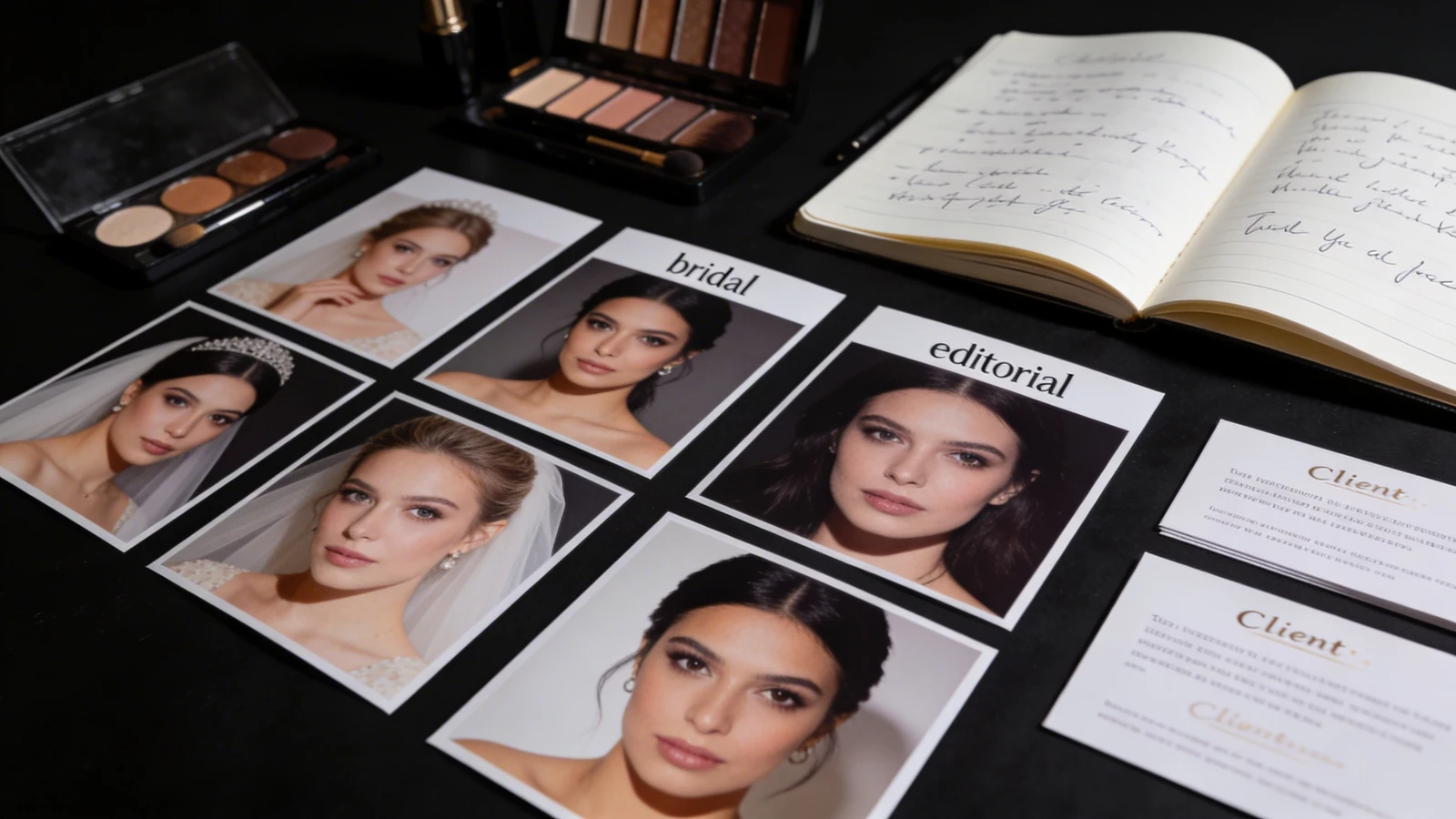
Structure the shoot as a massive corporate victory. Create a dedicated "Case Study" block on your homepage. Give the collaborative shoot a pseudo-corporate title (e.g., "Editorial Study No. 4: Saturated Pigments"). Format the images dynamically, and explicitly list the full creative team in the text margins: Makeup: [Your Name] | Photography: [Their Name] | Talent: [Model's Name]
By formatting your unpaid collaboration exactly the way Vogue formats a paid editorial, casting directors will subconsciously assume it was a heavily-funded commercial campaign.
Securing your first high-end bookings requires a digital presence that screams corporate leverage. By launching your unmetered aesthetic infrastructure on Portfoliobox, MUAs effortlessly generate private TFP pitch pages, negotiate with professional authority, and host their massive uncompressed visual assets seamlessly — no coding required.