In an era dominated by screens, UI kits, and digital product design, the tactile nature of print design portfolios carries a unique weight. Whether you are an editorial designer, a packaging specialist, or a brand identity expert, knowing how to present physical artifacts digitally is a crucial skill.
You cannot simply scan a brochure and upload it to a web page. To do justice to your print work online, you need to convey the texture, scale, and craftsmanship of the physical object. Here is a step-by-step guide to showcasing print design portfolios effectively.
1. Invest in High-Quality Photography
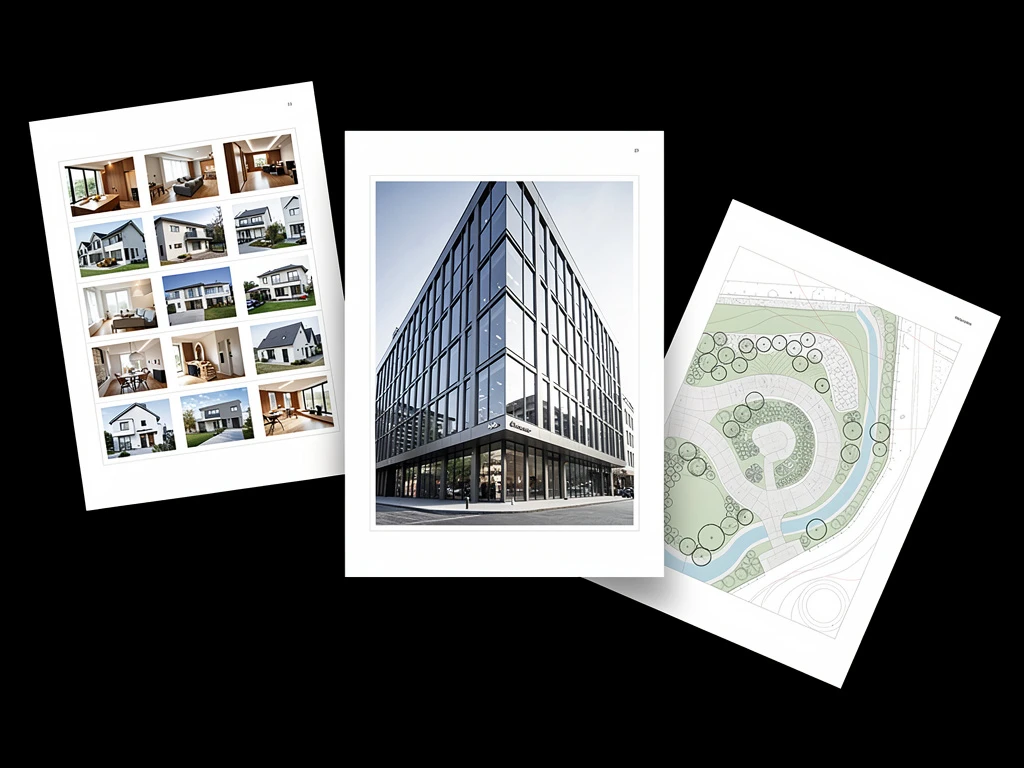
The biggest mistake designers make with print design portfolios online is relying entirely on flat digital exports. A PDF export of a poster doesn't show the paper texture, the foil stamping, or the scale.
You must photograph your physical work. Use natural, diffused lighting to highlight the texture of the paper stock. Show the thickness of a book spine or the intricate die-cut of a packaging project. High-quality photography translates the physical experience to the digital screen.
2. Utilize Photorealistic Mockups Wisely
If you cannot photograph the physical piece (perhaps it hasn't gone to print yet), photorealistic mockups are your best alternative.
However, use them judiciously. Avoid overly dramatic angles or heavily stylized environments that distract from the design itself. Choose clean, minimal mockups that put the focus squarely on your typography, layout, and color choices.
3. Emphasize the Tactile Details
When building your online case study, make sure to describe the physical specifications of the project. If you specified a 300gsm GF Smith paper stock with a blind deboss, state that in the project description.
Art directors and print buyers want to know that you understand production. Detailing your print specifications proves that your expertise extends beyond the screen and into the press room.
4. Contextualize the Object
Don't just show the printed piece in isolation; show how it lives in the world. If you designed a poster series, show a mockup of it hanging in a subway station. If you designed a book, show it being held or resting on a coffee table to provide a sense of scale. Context helps the viewer understand the function and impact of your print design.
Building your portfolio doesn't have to be complicated. With Portfoliobox, you can create a stunning portfolio website in minutes — no coding required.