As a designer, the irony of building your own portfolio is that you are often your own worst client. You spend weeks perfecting the portfolio page design, tweaking grid systems and hover states, only to feel it’s never quite finished.
The problem is treating your portfolio like a static gallery rather than a strategic marketing tool. A successful portfolio page design does more than hold images; it guides the user, tells a story, and ultimately positions you as an expert worth hiring. Here is how to elevate your layout to build real authority.
Start with a Compelling Narrative
The most common mistake in portfolio page design is leading with a massive grid of abstract thumbnails. When an art director lands on your site, they need context instantly.
Open with a strong, narrative-driven hero section. State clearly who you are, what you specialize in, and the value you bring. Think of this as the "executive summary" of your career. If your page design doesn't answer "Why should I care?" in the first five seconds, the user will bounce.
Master the Pacing of Your Case Studies
Once they scroll past the hero section, the pacing of your work matters immensely. Don't overwhelm the viewer with endless scrolling galleries.
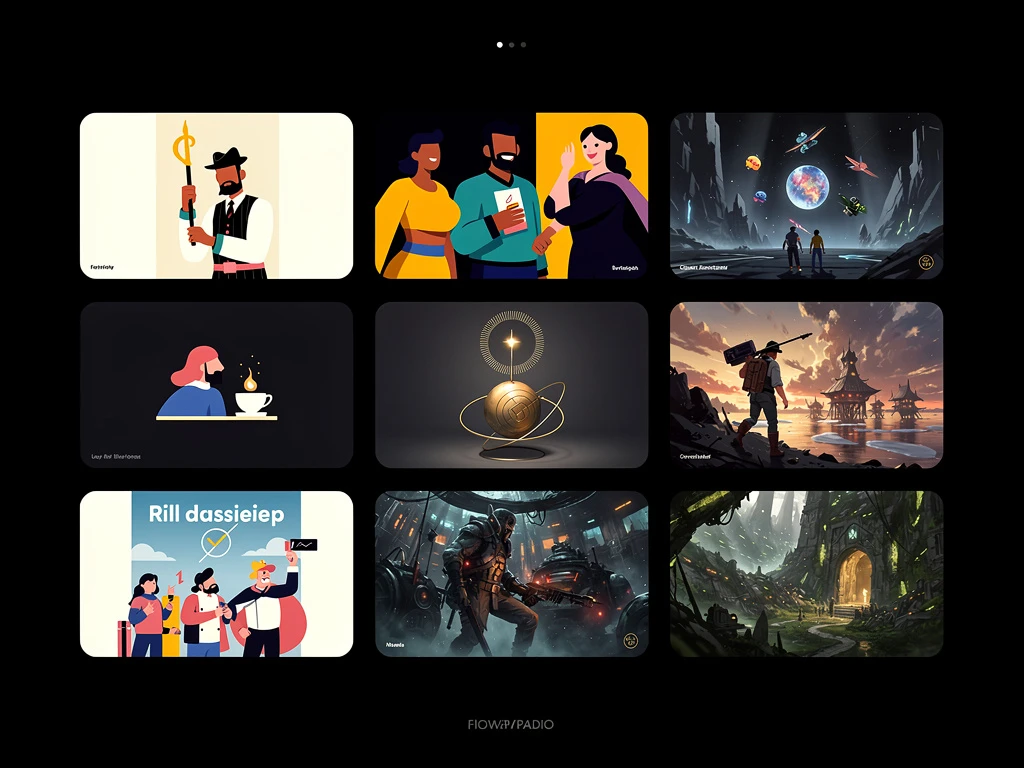
Structure your portfolio page design to rhythmically alternate between text context and visual proof.
- Introduce the project brief.
- Show a striking full-width image.
- Explain the challenge.
- Display a grid of process shots.
- Conclude with the final results.
This editorial pacing keeps the user engaged and proves that you understand content hierarchy and user experience.
Sweat the Details: Typography and Micro-interactions
Because you are a designer, the subtle details of your portfolio page design will be scrutinized. This is where you prove your craft.
Ensure your typography is flawless—check your line lengths, leading, and kerning. Implement subtle micro-interactions that add delight without distracting from the work. A smooth fade-in or a well-crafted button hover state signals that you care about execution and the final polish of a digital product.
Building your portfolio doesn't have to be complicated. With Portfoliobox, you can create a stunning portfolio website in minutes — no coding required.