When an art director or a high-end bride is reviewing potential makeup artists (MUAs), they are making snap judgments. They are not just judging the quality of your blending; they are judging the professionalism of your presentation.
If your portfolio format is chaotic, difficult to navigate, or visually overwhelming, they will close the tab and move on to the next candidate within seconds. The way you organize and format your work is just as critical as the work itself. Here is a comprehensive guide to mastering your digital portfolio format to maximize your booking rate.
1. The Power of the "Hero" Section
The top of your homepage—the area a visitor sees before they even touch the scroll wheel—is your "hero" section. This format is non-negotiable.
Do not use this space for a block of text explaining your philosophy on makeup. Use this space for a massive, edge-to-edge, high-resolution image or a silent, auto-playing video of your absolute strongest work. This instant visual impact proves your technical capability before the client reads a single word.
2. Categorization by Discipline
The most common formatting mistake MUAs make is the "endless scroll" gallery, where a bloody SFX prosthetic shot sits right next to a soft, glowing bridal portrait. This confuses the client.
Your portfolio format must be categorized logically. Create distinct galleries in your main navigation:
- Commercial: Clean, natural looks, lifestyle advertising.
- Bridal: Elegant, timeless event makeup.
- Editorial/Avant-Garde: High-fashion, highly conceptual looks.
- SFX (If applicable): Prosthetics, character design.
This format allows an art director casting a commercial to navigate directly to your commercial work, proving instantly that you understand their specific needs.
3. The "Less is More" Gallery Format
When building your individual galleries, resist the urge to upload every photo from a shoot.
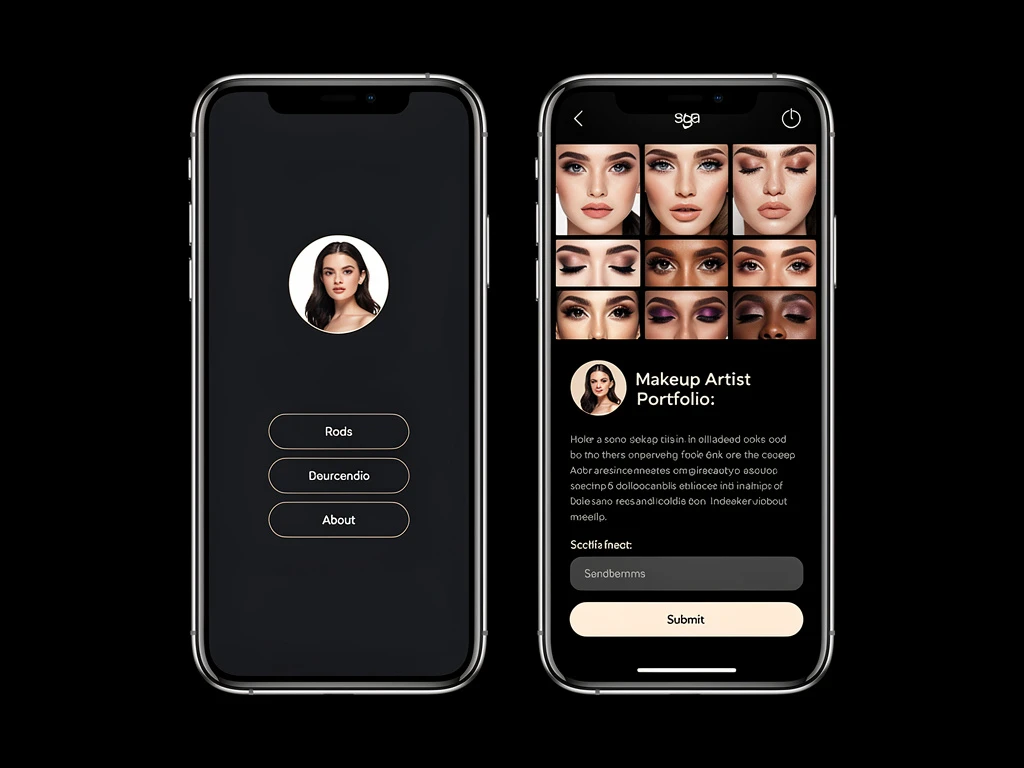
Format your galleries with extreme curation. Use a clean, masonry grid or a sleek horizontal slider, and limit each gallery to your top 10-15 images. Overwhelming a client with 60 images from the same test shoot dilutes the impact of your best work. You are judged by your weakest photo; ensure every single image in your format is a masterpiece.
4. The Digital Comp Card Page
While your main galleries display your artistry, you must also format a section for your personal stats and standard representation.
Include a dedicated page (often under "About" or "Stats") that functions as your digital comp card. It should clearly list your location, your willingness to travel, and a downloadable PDF version of your physical zed card for casting directors to save to their files.
5. Frictionless Contact Formatting
Finally, the format of your contact page must be aggressively simple. Do not force clients to jump through hoops. Provide a clean contact form that asks only for the essentials (Name, Email, Event Date, Services Requested). Ensure your professional email address is also listed as a clickable link.
Formatting your portfolio correctly is the key to converting visitors into paying clients. With Portfoliobox, you can effortlessly implement these high-end portfolio formats and build an agency-ready website in minutes — no coding required.