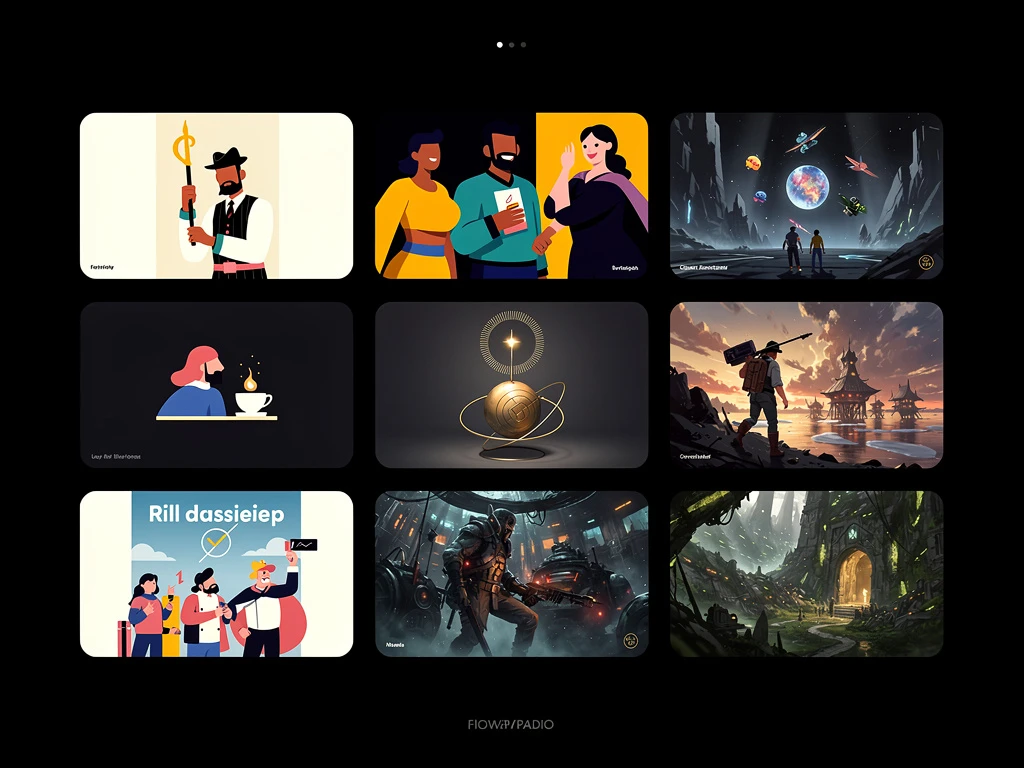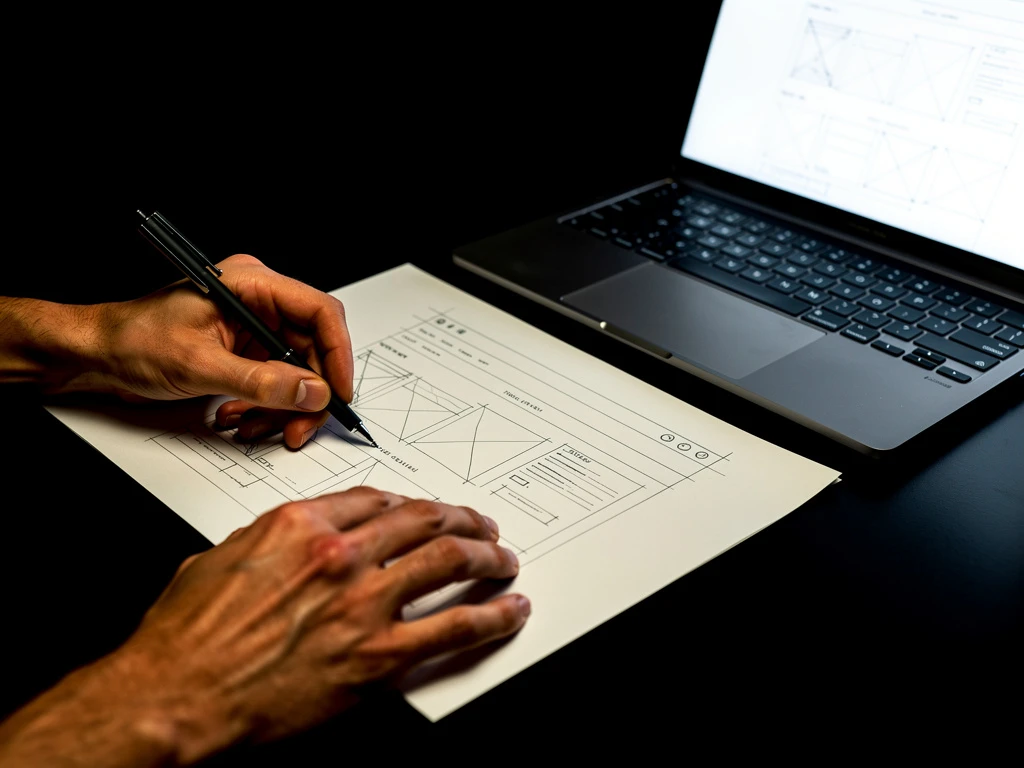
When I first started my freelance consulting and design business, I thought I was being highly professional by creating a custom PDF pitch deck for every client. I would spend hours arranging screenshots of my past projects in InDesign, exporting a massive 20-megabyte file, and attaching it to cold emails.
The strategy was a disaster. Clients would complain that the file was too large to open on their phones. Sometimes, corporate email servers would block my attachments entirely, flagging them as spam. Even when clients did open the PDF, they couldn't zoom in to see the details of my designs without the images pixelating. I was losing high-ticket contracts because my delivery mechanism was fundamentally broken. The turning point in my career happened the day I deleted those PDFs and built a dedicated e portfolio website. Here is how that transition scaled my business.
The Revelation: Removing Friction
I finally asked a corporate marketing director why they passed on my proposal. They bluntly told me, "I review 15 freelancers a week. I don't have time to download and organize heavy PDF attachments. I just need a link I can click on my phone while I'm commuting."
The Fix: I realized that an e portfolio website is not just a digital resume; it is a frictionless sales tool. By transitioning to a live URL, I removed all the barriers between the client and my work. A link never gets caught in a spam filter for being too large. A link works flawlessly on a smartphone, a tablet, or a massive desktop monitor.
Upgrading from Flat Pages to Interactive Case Studies
A PDF is a static, dead document. You cannot embed video, you cannot create interactive image sliders, and you are severely limited in layout.
The Fix: When I built my e portfolio website, I stopped showing flat, boring images. I started building interactive case studies. If I designed a website, I embedded a scrolling video capture of the live site in action. I used dynamic masonry grids to show high-resolution mockups of brand identities. I proved to the client that I was a modern digital professional, not someone stuck in the era of print media.
The Power of the "Hidden" Pitch Page
The greatest advantage of an e portfolio website over a PDF is the ability to create customized, targeted experiences without duplicating massive files.
The Fix: Instead of making a custom 20-page PDF for a specific client, I utilized hidden pages on my website. If I was pitching to a tech startup, I would create a hidden URL (e.g., mywebsite.com/tech-pitch) that only featured my absolute best tech-related case studies. I could send this highly targeted, bespoke link to the client, making them feel like I specialized entirely in their industry, without altering the main homepage of my site.
The Ultimate Upgrade: Direct Commerce
The final reason the transition scaled my business was the integration of e-commerce. A PDF cannot take a credit card payment. My new e portfolio website included a frictionless booking system, allowing clients to review my work and immediately pay for a $500 initial consultation.
If you are still attaching heavy files to emails, you are actively losing business. Upgrade your professional presentation with Portfoliobox. It provides the uncompressed rendering, hidden client pages, and integrated commerce tools you need to build a world-class e portfolio website — no coding required.