Choosing the right platform to host your illustration portfolio is a critical career decision. Your website is often the only thing an art director or publishing editor sees before deciding whether to commission you for a project.
When comparing website builders, illustrators frequently find themselves weighing generalist platforms against specialized creative tools. In the debate of Weebly vs Portfoliobox, the choice comes down to whether you want a generic business site or a bespoke digital art gallery. Here is a direct, head-to-head comparison to help you choose the ultimate web builder for your illustration career.
1. Design and Templates
Weebly: Weebly is designed for the masses. Its templates are functional, clean, and highly structured to serve small businesses. However, for an illustrator, this structure feels like a cage. The templates are rigid, meaning it is very difficult to break out of the standard "header, text block, square grid" format. Because customization is limited without coding, your portfolio will inevitably look like it was built on a template.
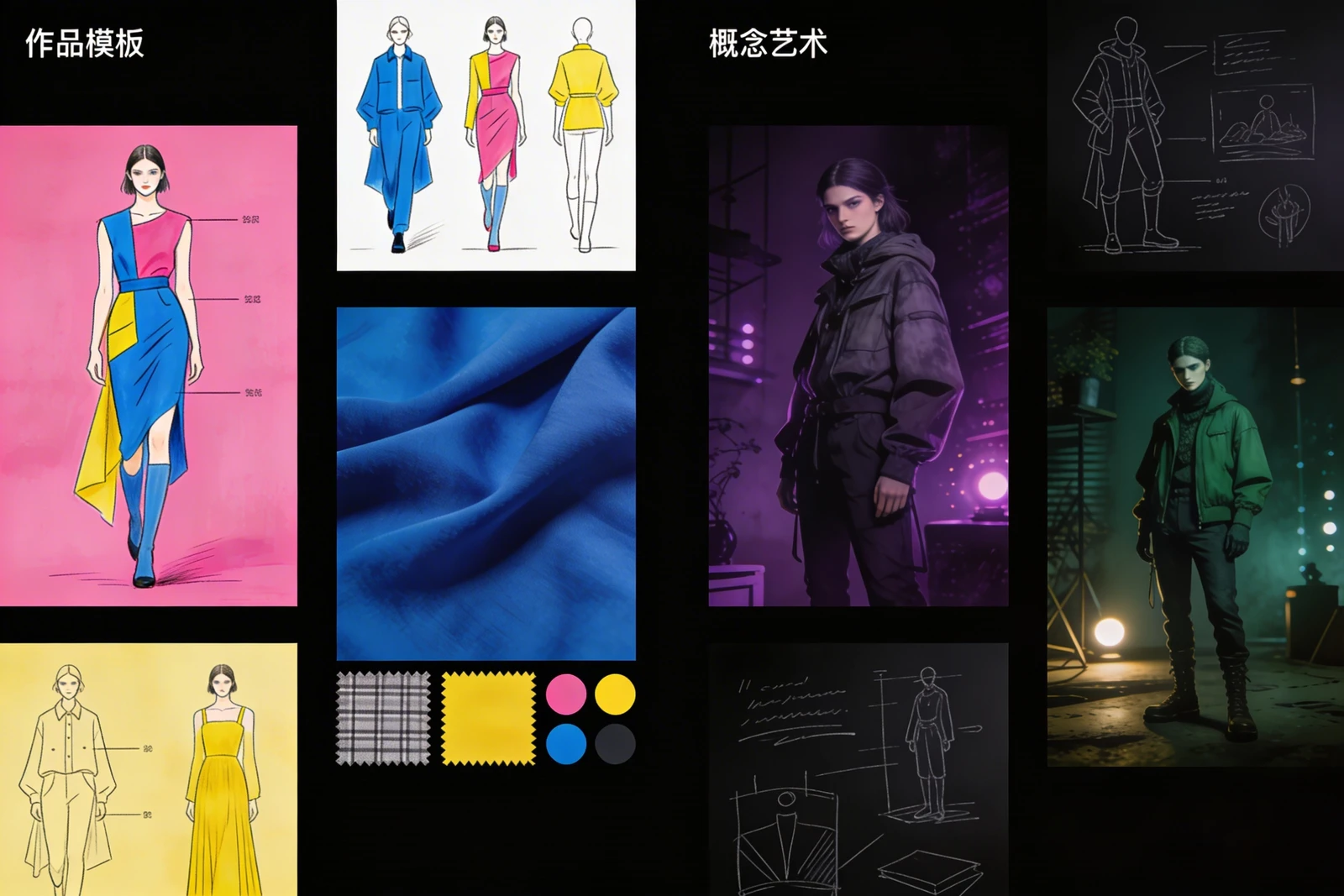
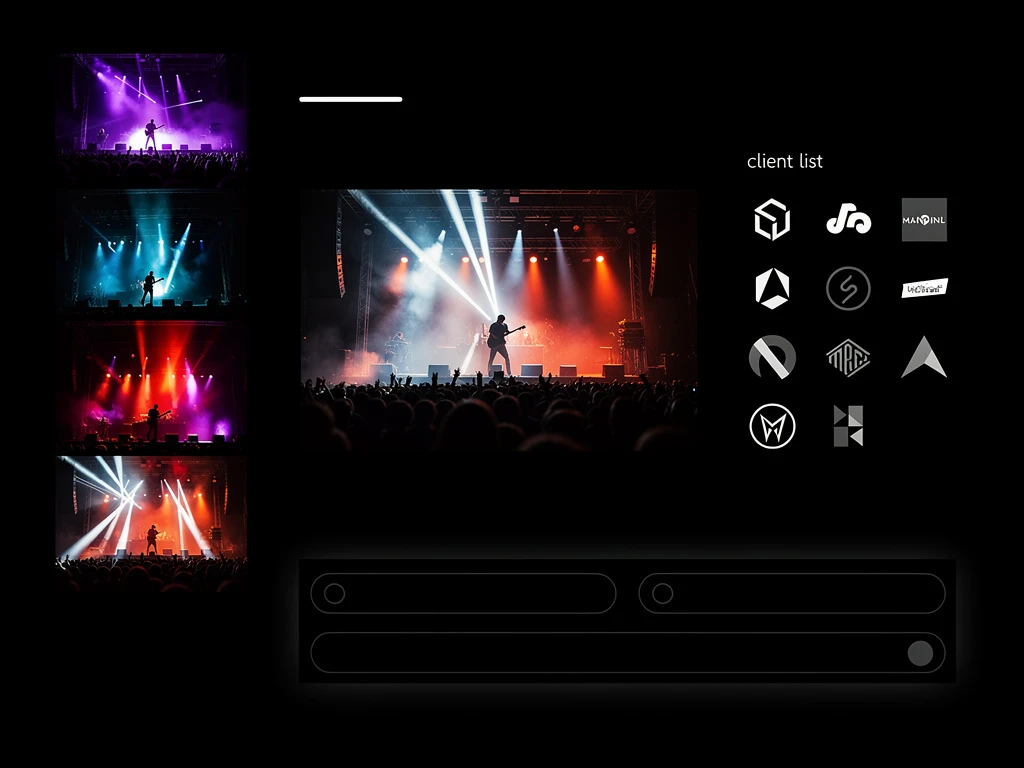
Portfoliobox: Portfoliobox abandons the restrictive template model entirely. It is built specifically for visual artists, offering a massive library of dynamic gallery blocks. You can mix a full-screen vertical scroll on one page with an asymmetrical masonry layout on another. You have total granular control over margins, padding, and typography, allowing you to create a bespoke aesthetic that aligns perfectly with your unique illustration style.
Winner: Portfoliobox (For offering true creative freedom without coding).
2. Image Quality and Rendering
Weebly: Generalist builders like Weebly have to manage server space for millions of non-visual businesses. To keep load times fast for heavy, text-based sites, they often aggressively compress images. For an illustrator, this is disastrous. Your crisp vector lines may appear fuzzy, and the subtle color gradients in your digital paintings may become banded and pixelated.
Portfoliobox: Portfoliobox’s core user base consists of photographers and digital artists. Therefore, its backend architecture is optimized to handle and render high-resolution imagery flawlessly. Your illustrations will display with absolute clarity and color accuracy, ensuring that art directors see your work exactly as you painted it.
Winner: Portfoliobox (For prioritizing uncompressed, high-fidelity visual rendering).
3. Selling Your Artwork (E-commerce)
Weebly: Weebly (now owned by Square) has robust e-commerce capabilities. It is excellent for managing inventory, calculating shipping, and handling taxes. If your primary goal is to run a massive online retail store with hundreds of SKUs, Weebly is a very strong contender. However, the store templates can sometimes feel disconnected from the visual flow of a high-end portfolio.
Portfoliobox: Portfoliobox includes a built-in e-commerce engine designed specifically for creative entrepreneurs. You can easily sell physical art prints, original canvases, or digital downloads (like custom brush packs or PDF sketchbooks) without paying any commission fees. The store integrates seamlessly into your portfolio’s aesthetic, ensuring the buying experience feels like purchasing from a high-end gallery rather than a generic online shop.
Winner: Tie (Weebly for heavy retail operations; Portfoliobox for artists selling prints alongside their portfolio).
4. Ease of Use for Visual Layouts
Weebly: Weebly’s drag-and-drop interface is easy to learn, but it relies on a strict grid system. If you want to create an overlapping editorial layout or a dynamic, staggering gallery to showcase different sizes of concept art, you will find yourself fighting the editor constantly.
Portfoliobox: Because the platform is built around visual presentation, formatting complex galleries is incredibly intuitive. The system understands how to mathematically balance mixed-ratio images (portrait vs landscape) automatically, saving you hours of frustrating manual alignment.
Winner: Portfoliobox (For intuitive, artist-focused gallery management).
The Final Verdict
In the matchup of Weebly vs Portfoliobox, the choice is clear for professional artists. Weebly is a fantastic tool if you are opening a local coffee shop or a consulting firm. But if your career relies entirely on the immaculate, high-resolution presentation of your artwork, a generalist builder will only hold you back.
If you want a platform that treats your illustrations with the respect they deserve, Portfoliobox is the undisputed winner. With Portfoliobox, you can build a stunning, bespoke illustration portfolio in minutes — no coding required.