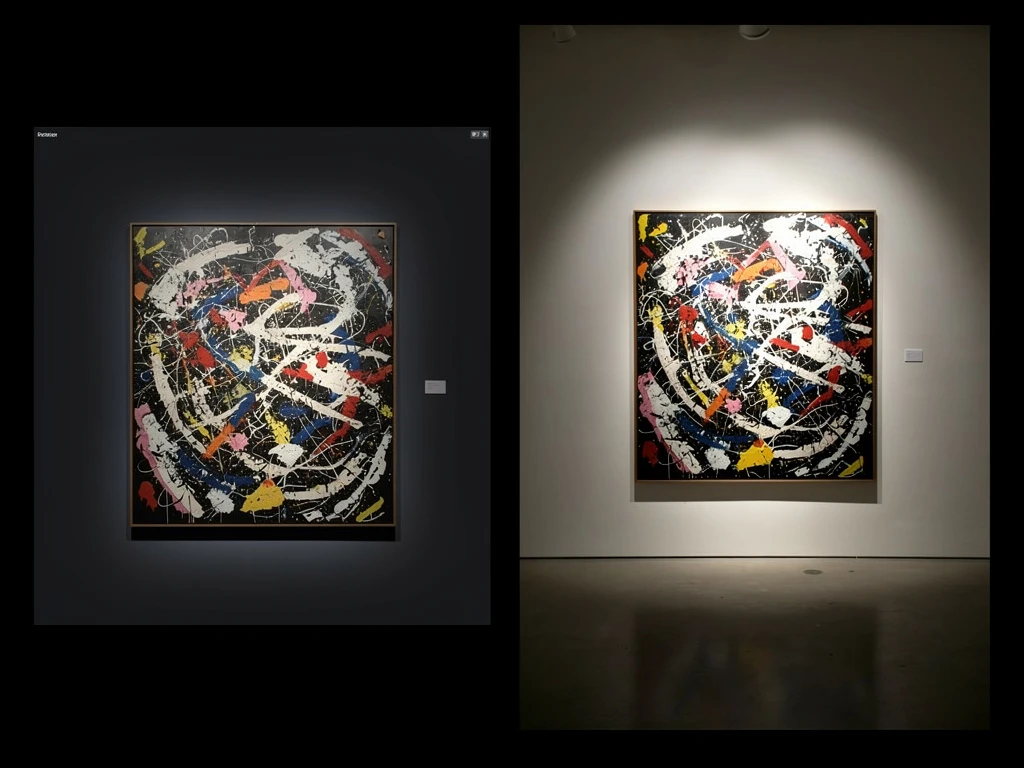
When a traditional Fine Artist (a sculptor, an oil painter, or a classical printmaker) decides to establish a digital footprint, they often ask younger digital artists for advice. The advice is almost always: "Just make a Behance profile."
Owned by Adobe, Behance is undeniably the largest creative networking platform on the planet. For UI/UX designers, corporate branding agencies, and 3D animators seamlessly connected to the Adobe Creative Cloud, it is a magnificent B2B ecosystem.
However, forcing a traditional fine artist onto Behance is like hanging a 19th-century oil painting inside an Apple computer store. The contexts are violently opposed. The tools and aesthetics that make Behance incredible for digital tech workers actively suffocate traditional artists. If you are preparing to pitch a physical gallery exhibition to an elite curator, you must understand the architectural divide. Here is the Behance vs Portfoliobox debate, analyzed strictly for Fine Art.
The 'Corporate Case Study' vs The 'Gallery Wall'
Behance is structured entirely around the concept of the "Corporate Case Study." When a graphic designer creates a logo on Behance, they are encouraged to upload massive, scrolling presentations detailing the corporate design brief, the typography choices, and the brand color palettes. The Behance UI is loaded with massive blue "Appreciate" buttons, comment sections, and tool-tagging metadata (e.g., Built with Adobe Illustrator).
The Fine Art Failure: A traditional gallery curator does not care about corporate tool-tagging. If they are evaluating a massive, emotional Charcoal portrait, they do not want to see a massive blue "Like" button underneath it. The heavily branded Behance UI makes traditional art look like a corporate graphic design homework assignment.
Portfoliobox executes the "Gallery Wall." Because it is a sovereign, independent website builder, Portfoliobox strips away all social media UI. There are no "Likes," no comment threads, and no corporate logos framing your work. It provides absolute visual silence. The curator stares at a stark white screen containing nothing but your massive, uncompressed photograph of the charcoal portrait, exactly as it would look inside a physical museum.
The Fear of "Adjacent Curation"
If you successfully convince a wealthy art collector to click the link to your Behance profile, you have just initiated a massively dangerous psychological gamble.
Behance is designed to keep users trapped inside the Adobe network. Therefore, the moment the collector finishes looking at your beautiful painting, Behance's massive background algorithm forcefully injects a grid of "Recommended Artists" onto the screen. They actively suggest other painters whose work looks mathematically similar to yours.
You did the incredibly hard work of finding the client, and the platform actively advertises your direct competitors to them.
Portfoliobox guarantees absolute digital exclusivity. When a collector enters your www.yourname.com domain, they enter a locked silo. There are no algorithms, no "suggested artists," and no distractions. You possess 100% of their B2B attention span, drastically increasing the likelihood of a high-ticket sale.
Digital Texture Delivery
Traditional artistry relies heavily on physical material reality. The collector must be able to visually feel the heavy grit of your watercolor paper or the aggressive ridge of your palette knife.
Aggregate social networks frequently employ automated image compression. If you upload a massive 40-Megabyte flatbed scan of your watercolor painting to an aggregate feed, the algorithm quietly crushes the file size, inherently blurring your delicate physical textures.
Portfoliobox targets elite creatives specifically by providing unthrottled, unmetered Content Delivery Networks (CDNs). The artist uploads the raw, massive texture file, and Portfoliobox delivers it globally without lossy compression. Your physical reality is protected digitally.
The Verdict: If you are a corporate graphic designer looking for freelance work from tech companies, Behance is mandatory. If you are a traditional Fine Painter attempting to sell luxury physical assets to high-end collectors, aggregate UI will destroy your pricing power. Build a pristine, silent digital museum on Portfoliobox to guarantee your B2B authority — no coding required.