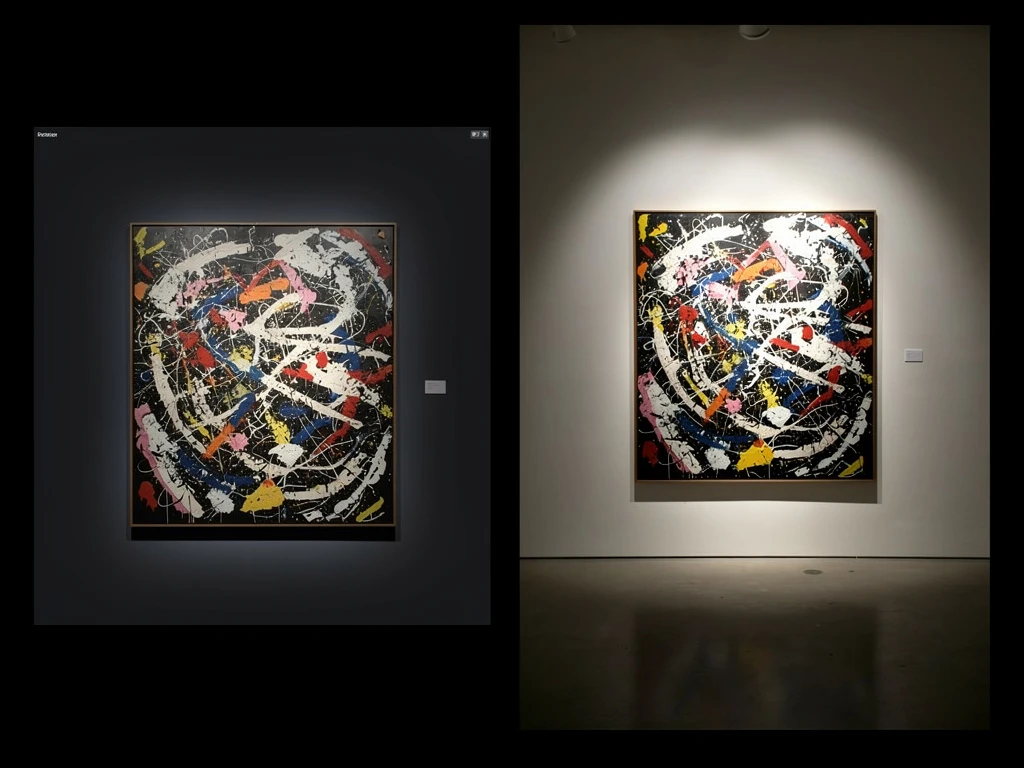
As a fine artist, every single operational decision you make communicates intrinsic value. How you frame a piece, the gallery walls you choose to hang on, and the paper stock you select for exhibition catalogs all quietly signal to collectors whether they are dealing with an emerging hobbyist or an established professional.
When you send a curator to a generalized Behance portfolio website, you are making a grave mistake regarding your brand perception. Behance is an exceptional tool for fast-paced digital designers and illustrators looking for corporate gigs, but it is fundamentally destructive to the prestige required to command a high price tag in the fine art space.
Fine artists require a space of complete, independent control. Here is why you must transition away from social aggregators and establish a dedicated, independent digital domain.
The Death of the "White Cube"
The classic gallery standard—the "white cube"—exists for a purpose. By stripping away all environmental distractions (bare walls, quiet floors, no competing visuals), the observer’s eye is forced entirely onto the artwork. The architecture of the space respects the art.
Behance is the antithesis of the white cube. It is a wildly distracting digital shopping mall. Your deeply personal, 100-hour charcoal study is sandwiched in a grid between a flashy UI/UX mockup for a finance app and a neon 3D rendering of a cartoon character. It wildly clashes aesthetically. By placing your work inside a generalized "creative feed," you strip it of context, emotional gravity, and gravitas.
A dedicated Portfoliobox website allows you to rebuild the white cube digitally. You decide what the viewer sees. You can surround a single, monumental sculpture with a serene sea of white space. You can dictate the typographical elegance. There are no garish blue corporate logos, no notification bells, and absolutely no algorithm-driven "Suggested Projects" pushing them away.
The Professionalism of Price
When an independent collector asks for your available inventory, sending them a link to a Behance profile signals that you are likely inexperienced in selling physical goods. It subtly undermines your ability to negotiate high-tier pricing.
When you reply with an elegant link to StudioNameArt.com/available-works, surrounded by your own branding and a cohesive artist statement, you establish immediate authority. This enables artists to comfortably quote in the thousands without the client balking, because the packaging reflects the premium price tag.
Furthermore, social portfolios offer zero backend utility for the business side of fine art. You cannot track specific inventory, handle private sales, or build a curated newsletter mailing list of devoted collectors. A custom portfolio website provides the architecture to act as a fully functioning digital studio.
Establish independence. The world's most successful painters and sculptors own their online domains. You must do the same. With Portfoliobox, fine artists can bypass social feeds and build an incredibly elegant, dedicated digital gallery in an afternoon.