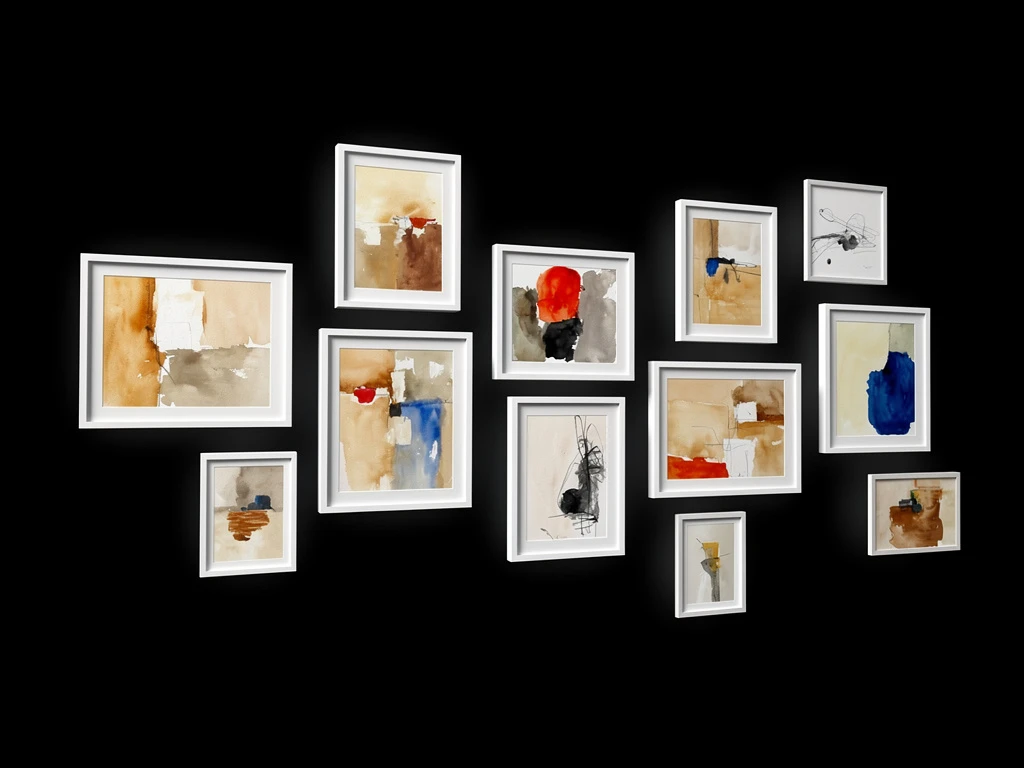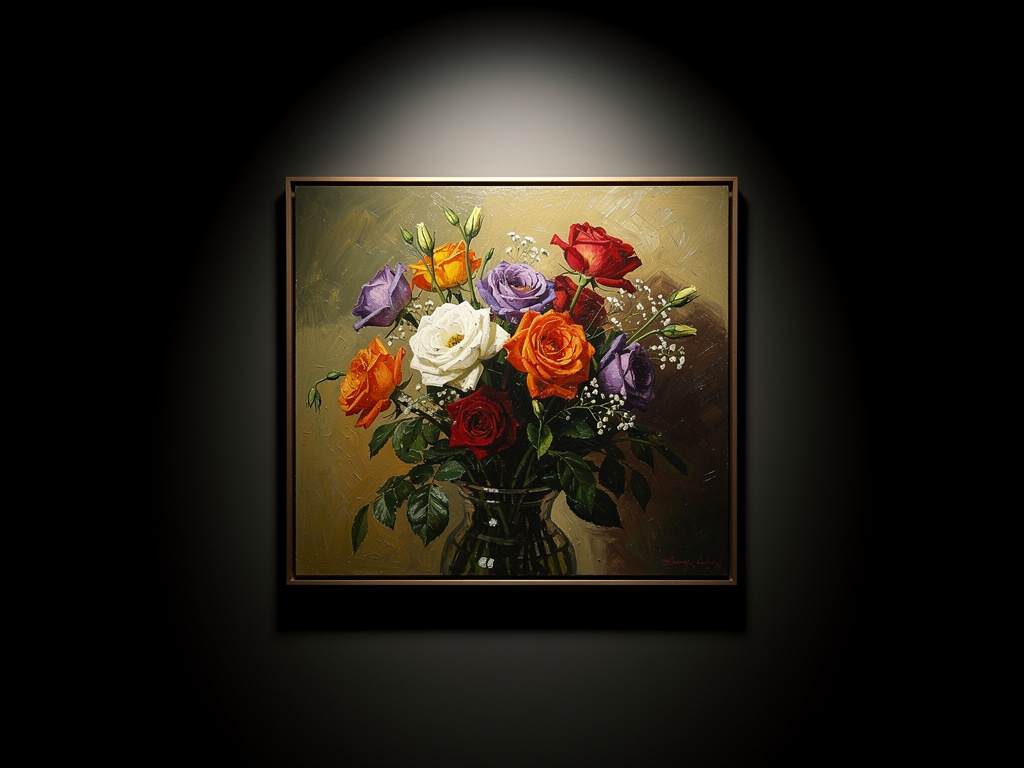
The journey of a traditional painter is incredibly expensive. A dedicated fine artist will confidently spend $50 on a single tube of premium cobalt blue oil paint, $100 on high-grade Belgian linen canvas, and hundreds of hours meticulously executing a breathtaking, museum-quality landscape.
Then, completely inexplicably, they will attempt to save fifteen dollars a month by hosting that magnificent painting on a free portfolio website.
When a wealthy art collector or a prestigious gallery curator asks to see their work, the painter proudly emails them a link formatted like: www.sarah-studio.freewebsitebuilder.com/gallery. The curator clicks the link, and is instantly bombarded by an animated banner advertisement for car insurance sitting directly above the $5,000 oil painting. The curator closes the tab immediately.
Attempting to sell luxury physical artwork on a free digital subdomain is the most catastrophic B2B error a fine artist can make. Here is exactly why the professional art world is abandoning free portfolio websites, and how securing a private domain instantly restores artistic pricing power.
The Destruction of 'Perceived Value'
Art pricing is inherently psychological. A canvas costs exactly the same amount of money whether a student paints on it or a master paints on it. The $5,000 price tag is justified entirely by the Perceived Value of the artist.
To command premium gallery pricing, your branding must universally scream "Luxury." If you utilize a free portfolio website, the client's brain subconsciously runs a brutal logistical calculation: "If this painter is unwilling or unable to invest fifteen dollars into their own professional business infrastructure, they must not be selling any art. Their art must not be valuable."
You cannot ask a collector to invest thousands of dollars into your career if your digital footprint proves you refuse to invest in it yourself. A private domain name instantly signals financial stability and corporate seriousness.
The 'Algorithmic Compression' of Texture
Unlike flat digital logos or vector graphics, traditional painting relies entirely on microscopic texture.
A collector needs to see the aggressive, physical impasto of your palette knife. They need to see the delicate, interwoven glazes of your oil paints. They need to see the tactile tooth of the canvas beneath the pigment.
The Free Server Reality: Free website builders must desperately save hard drive space to survive. They achieve this by secretly running "lossy compression" algorithms on every image you upload. When you upload a massive, 20-Megabyte photograph of your heavily textured oil painting, the free server violently crushes it down to a tiny, pixelated file. The rich impasto texture instantly looks blurry, flat, and muddy. The free server actively destroys your technical mastery.
The Mandate of the 'White Cube'
If you walk into a high-end contemporary art gallery in Chelsea, New York, you will notice a specific architectural phenomenon: The "White Cube." The walls are stark white, there are no distractions, no background music, and no decorative furniture. The artwork sits in a void, commanding absolute attention.
Free portfolio websites physically cannot execute the White Cube. Because you are using their server for free, they legally own the interface. They will forcefully inject their massive corporate logo into your website footer. They will inject third-party banner advertisements into your header. They will surround your magnificent landscape painting with visual chaos.
You must transition your art into a digital sanctuary. By building your fine art brand on Portfoliobox, traditional painters instantly secure a private custom domain, banish third-party advertisements forever, and unlock uncompressed, unmetered servers that deliver raw physical canvas texture flawlessly across the globe — no coding required.