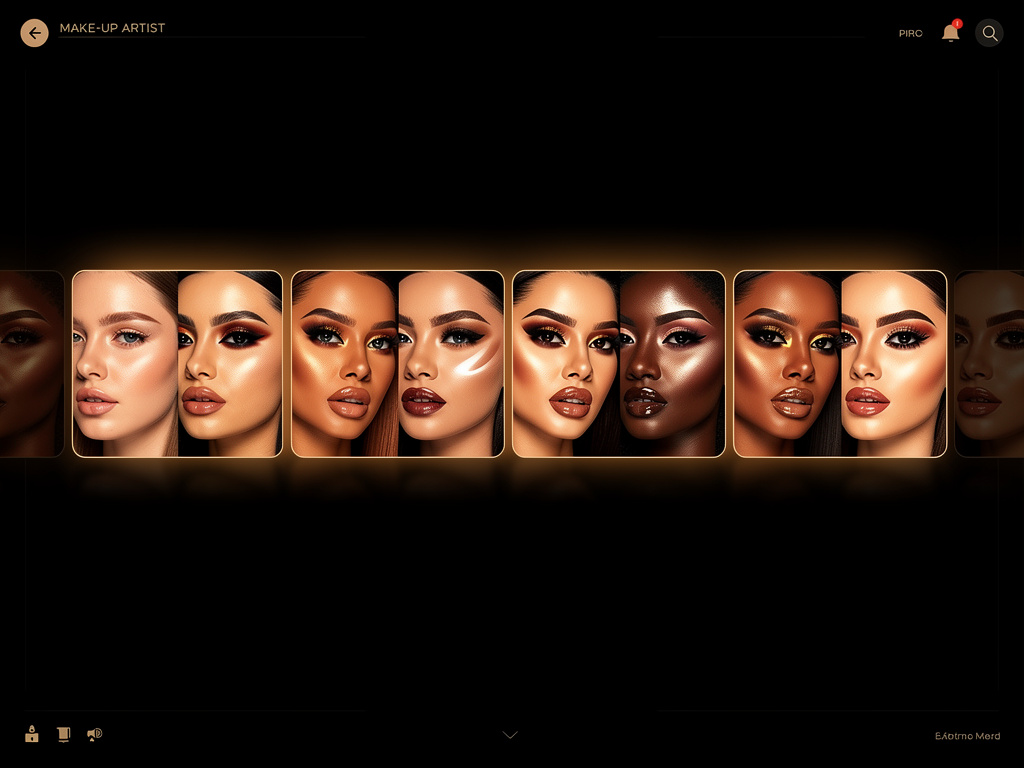
When people hear the phrase "Portfolio Website," they immediately picture a quirky graphic designer uploading neon logos, or a Fashion Photographer uploading high-contrast editorial spreads. The concept of a digital portfolio is entirely walled off in the "Creative Sector."
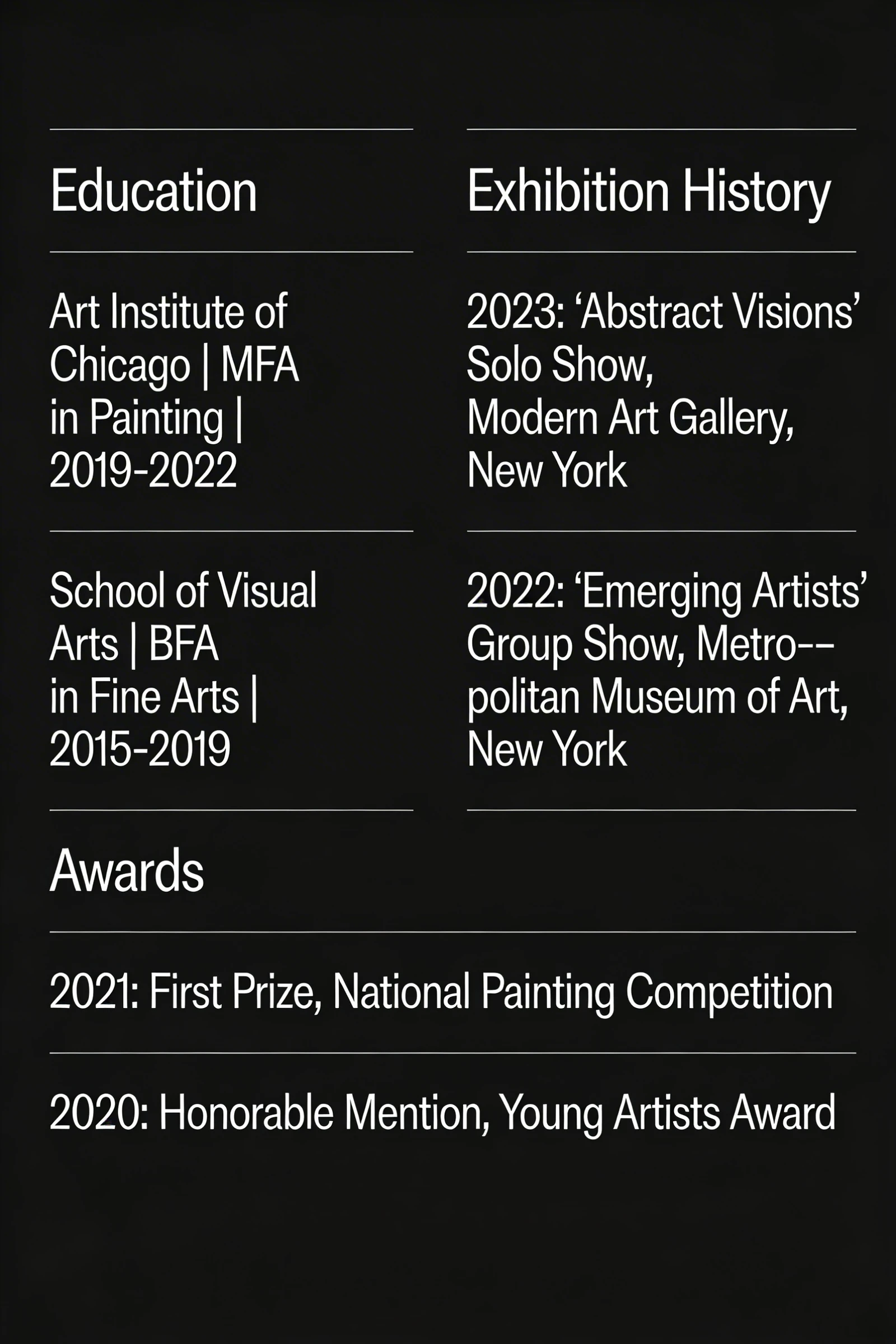
Meanwhile, "Traditional Professionals"—lawyers, financial consultants, structural engineers, and corporate copywriters—operate in a totally different graphical reality. They format their entire careers into a single, sterile, black-and-white Microsoft Word document called a Resume.
When an elite Wall Street consulting firm posts an open job position, they receive exactly 500 identical PDF resumes. The hiring manager stares at a mountain of identical black text on identical white squares for eight hours.
If you are a traditional professional attempting to stand out in a saturated corporate market, sending another boring PDF is no longer a viable tactic. You must aggressively adopt the digital tools of the creative industry. Here is the massive competitive advantage of creating a visual web portfolio as a non-visual professional.
Translating 'Numbers' into 'Case Studies'
If a Logistics Consultant saves a massive corporation $2,000,000 via supply-chain optimization, they typically add a single bullet point to their resume: "Optimized Q3 shipping routes resulting in 14% cost reduction."
While the number is impressive, the presentation is completely forgettable. Compare that to a Logistics Consultant who operates a dedicated Portfolio Website.
The B2B Format: Instead of a bullet point, they build a massive "Case Study" Sub-Page. They upload high-resolution contextual photography of massive shipping containers. They utilize stark, elegant typography to outline the "Initial Problem," the "Strategic Process," and the "Final Financial Result." They embed striking, highly-designed interactive graphs proving the data visually.
The hiring manager stops reading numbers and starts experiencing the professional's brain structurally.
Dominating the Google Search Metric
A PDF resume lives silently in a dark folder on your hard drive. Because it is an offline file, it possesses exactly zero SEO (Search Engine Optimization) value.
If a desperate corporate CEO goes to Google and types, "Expert Supply Chain Crisis Consultant in Chicago," your black-and-white resume cannot help them find you. You are invisible to organic internet traffic.
The Discovery Mechanism:
A portfolio website is an active, living, indexed machine designed mathematically to be discovered.
When a traditional professional moves their corporate resume off a Word document and onto a pristine .com domain, they instantly begin capturing high-value organic Google searches. You transition from actively begging for jobs via email applications to passively receiving high-ticket corporate retainers from executives who organically found your digital case studies.
Institutionalizing Your Individual Brand
The highest echelon of corporate hiring does not hire "employees"; they hire "Experts."
If you send a generic PDF, you look like an employee searching for a salary.
If you send an elite, beautifully formatted digital portfolio link www.yourname-consulting.com, complete with an "About the Firm" aesthetic, a "Client Results" gallery page, and a structural "Intake Form" to request a meeting, you instantly institutionalize yourself. You look like a highly-paid independent consultancy actively selecting clients. It alters the power dynamic in the interview room entirely.
Escaping the saturation of the PDF resume requires adopting creative architectural tools. By establishing your corporate presence on Portfoliobox, non-visual professionals and copywriters effortlessly deploy the massive typography layouts, elegant structural case-studies, and pristine SEO indexing required to transform a boring resume into an undeniable, high-converting digital enterprise — no coding required.