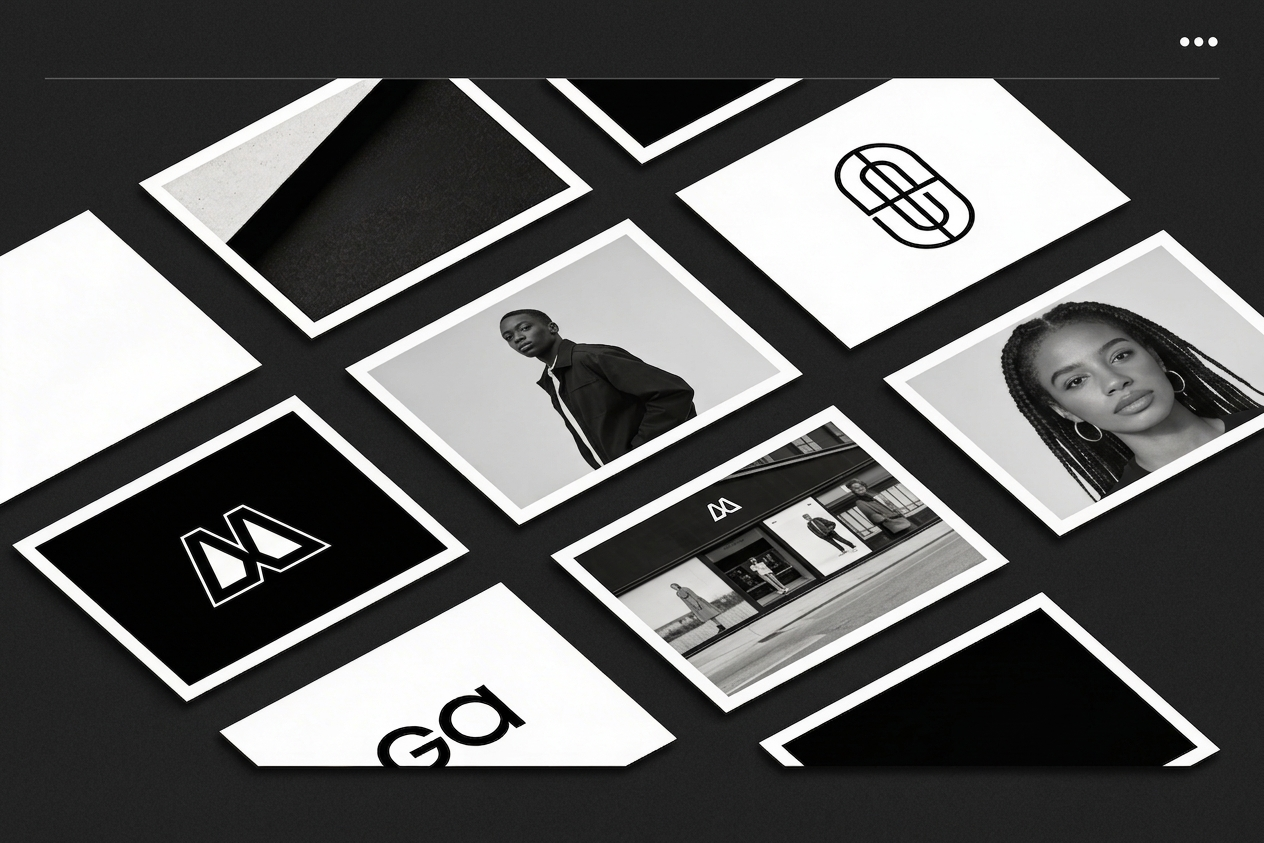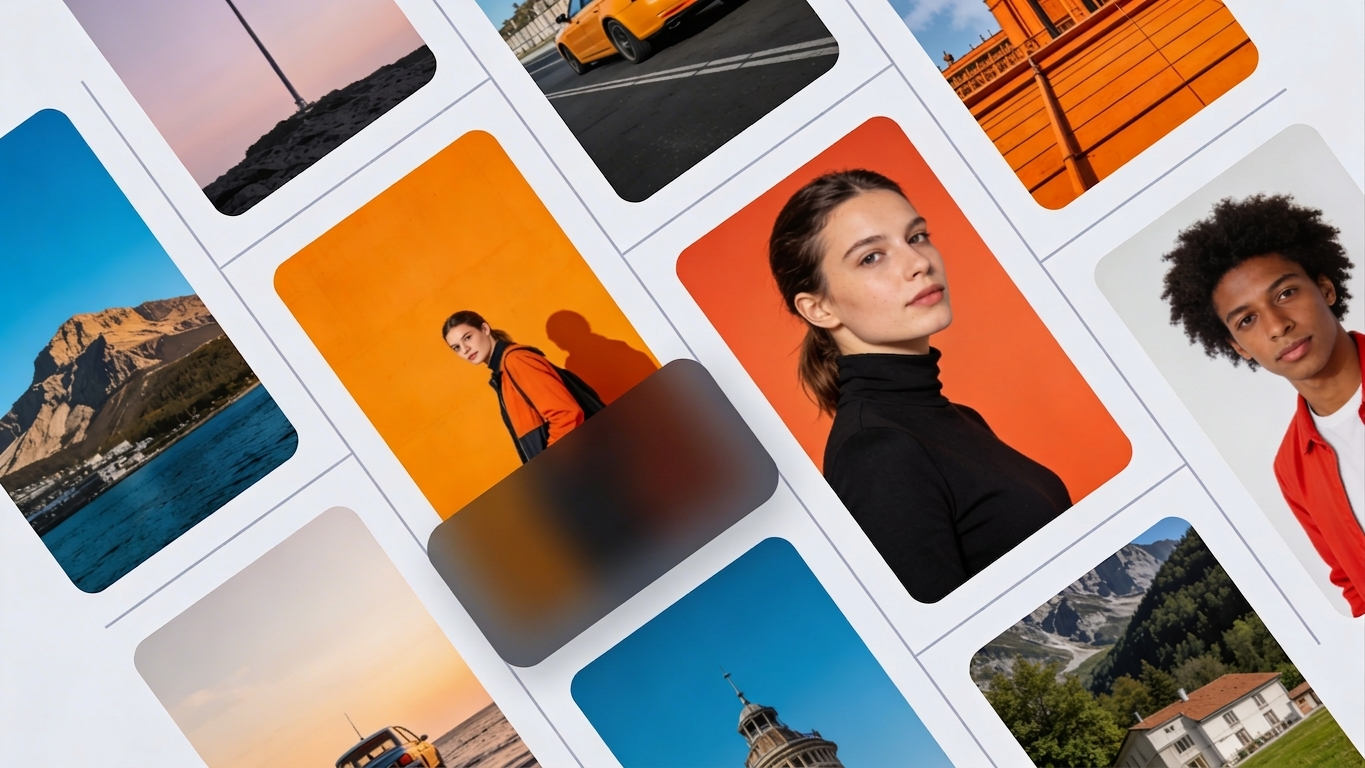
Sarah was a wildly talented creative operating in a dangerous middle ground. By day, she executed incredibly sharp, corporate vector branding for SaaS startups. By night, she painted massive, emotionally raw abstract expressionist canvases, occasionally accepting lucrative gallery commissions.
When she finally launched her freelance portfolio, she placed both bodies of work onto the exact same scrolling homepage. She assumed her versatility would impress clients. Instead, her corporate leads evaporated, and her fine art inquiries dried up.
The problem was cognitive dissonance. When a tech CEO landed on her site looking for app design, he saw abstract watercolor paintings and assumed she wasn't a "real" corporate designer. When an art collector saw rigid vector logos, they assumed her paintings were just a corporate hobby.
Multidisciplinary creatives offering drastically different "art and design services" must execute an incredibly strict web layout to survive. Here is exactly how to structure your freelance site to support dual disciplines.
The Golden Rule of Segmentation
If you offer graphic design services alongside fine art, illustration, or custom fabrication, you must violently separate the funnels immediately.
Your homepage cannot be a blender of all your talents. It must act strictly as a sorting facility. A multidisciplinary homepage should feature an extremely minimalist introduction, followed immediately by two massive, distinctly labeled entry portals (e.g., a button reading Commercial Design Studio and a button reading Fine Art Commissions).
The absolute second a user clicks either button, they must enter a silo. If they click commercial design, the typography, case studies, and tone of voice must operate strictly within the corporate design realm. Do not let your abstract paintings bleed into this silo.
Writing Separate Value Propositions
The language you use to sell an oil painting is entirely different from the language you use to sell a corporate brand identity.
In your design silo, your 'Services' page must focus heavily on Return on Investment (ROI), turnaround times, vector scalability, and strategic market positioning. The client needs to hear cold, calculated business logic.
Conversely, inside your fine art silo, the 'Services' page should focus on thematic resonance, material quality, exhibition history, and the emotional narrative of your process. If you attempt to write a single "About Me" page that caters to both the corporate CEO and the eccentric gallery curator simultaneously, you will fundamentally alienate both. Create two distinct pages.
Maintaining a Unified Visual Skeleton
The trick to operating two different silos on a single domain is ensuring the overarching visual architecture remains unified.
Even if your corporate logos and your messy oil paintings live on separate pages, the frame surrounding them must be identical. Utilize the exact same minimalist sans-serif typography across the entire website. Ensure the top navigation bar is identical on every page. Use consistent spacing and negative margins.
By applying a strict, highly professional unified layout, your website communicates that while your creative outputs are vastly different, your underlying professionalism and organizational competence are absolute.
The Dual-Contact Strategy
A massive mistake multidisciplinary freelancers make is funneling all inquiries into a single, generic contact form.
A tech startup inquiring about a $10,000 branding package requires different preliminary information than a homeowner inquiring about a $500 custom painting. To streamline your business operations:
- Implement a dedicated commercial design inquiry form that asks for "Business Name," "Project Scope," and "Corporate Budget."
- Implement a separate fine art inquiry form on the painting page that asks about "Canvas Size Requirements" and "Color Palette Preferences."
Running a multidisciplinary freelance digital studio requires extreme structural discipline, not a chaotic template. Using Portfoliobox, creative portfolio websites can effortlessly build distinctly structured, siloed navigation menus that support massive, unmetered grids of both vector design and high-megapixel fine art simultaneously — no coding required.