Because of relentless podcast advertising and sleek marketing, Squarespace is often the default choice for anyone trying to build a website. It is undeniably a powerful platform if you are opening a boutique coffee shop or running a consulting business.
However, when an illustrator attempts to use Squarespace for an art portfolio, they almost immediately run into friction. The platform is built for the masses, which means it forces visual artists into rigid, generic boxes. If you are struggling to make your digital gallery look bespoke, you are not alone. Here are the core problems with generalist builders and the secret to actually building a successful digital brand.
The Problem: The Standardized Grid
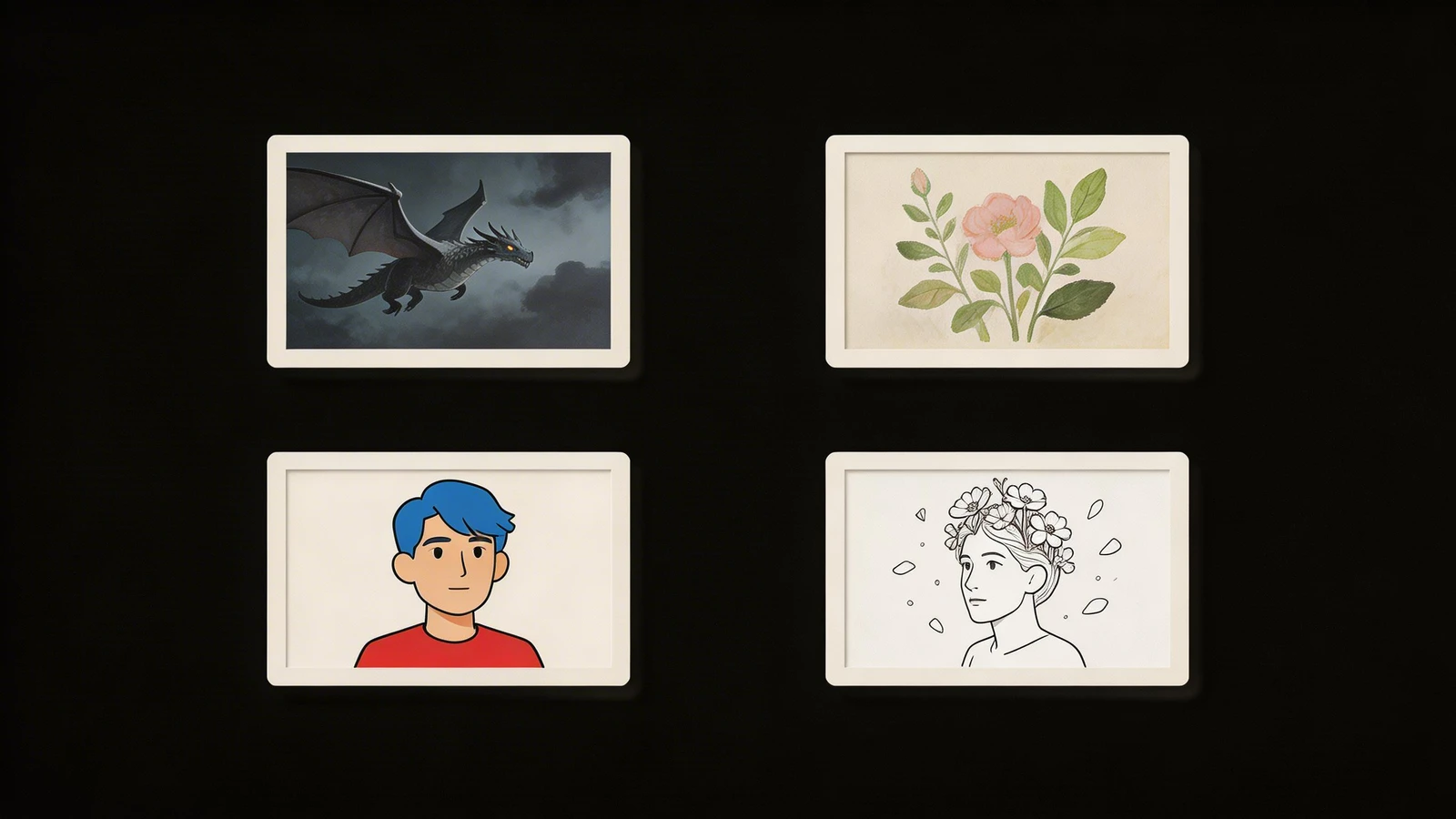
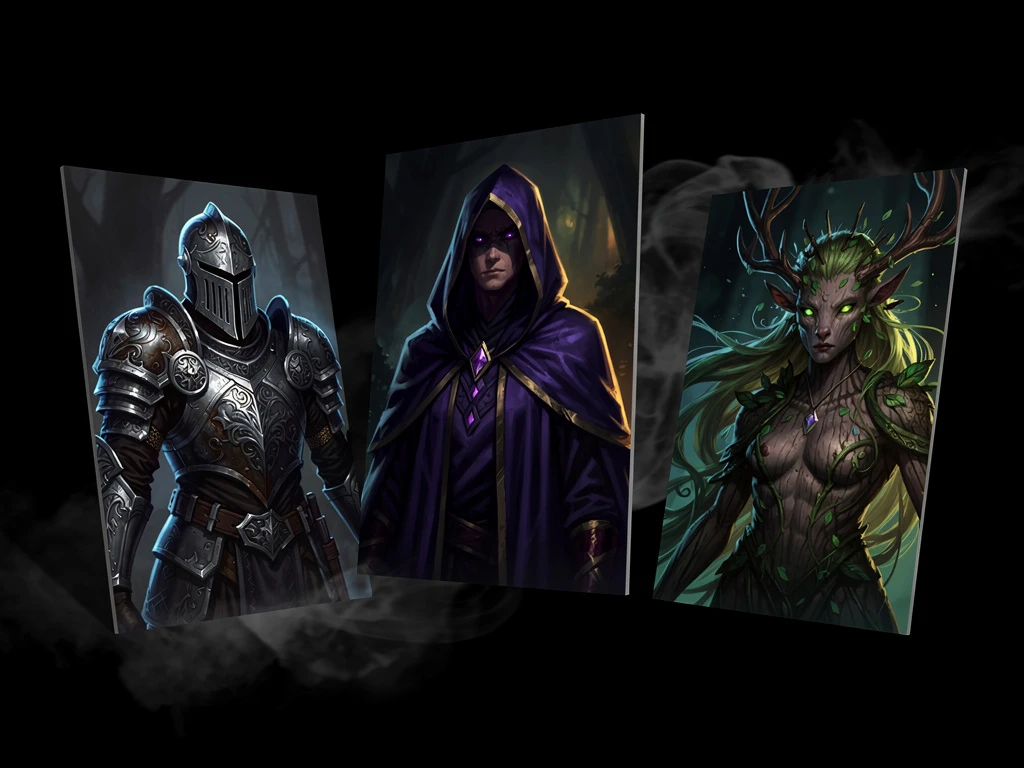
Illustrators rarely create artwork in uniform dimensions. A character concept sheet might be a tall, narrow vertical file, while an environment painting is a sweeping, cinematic horizontal file.
When you upload these varying sizes into a standard Squarespace gallery, the template often forces them into a strict square grid. The system will auto-crop your artwork, ruining your carefully balanced composition and chopping off important details. To fix it, you either have to add awkward white borders to all your images before uploading them, or you have to learn custom CSS code to override the template.
The Solution: Dynamic Creative Layouts
The secret to a successful portfolio is using a platform that understands visual variety. You must use a builder that offers native asymmetrical masonry layouts. This allows your images to retain their original aspect ratios while interlocking perfectly on the page, creating an editorial, magazine-style flow without requiring any coding.
The Problem: Aggressive Image Compression
Generalist website builders host millions of text-heavy blogs and e-commerce stores. To ensure their servers don't crash and pages load quickly, they aggressively compress uploaded images.
For an illustrator, this is catastrophic. When a publishing art director zooms in on your portfolio to inspect the texture of your brushwork or the crispness of your vector lines, a compressed image will look blurry, banded, and amateurish. Your high-end art is suddenly reduced to low-res web fodder.
The Solution: Specialized Hosting
You must host your portfolio on a platform whose core demographic is photographers and digital artists. These platforms dedicate their server architecture to rendering large, high-resolution visual files instantly, ensuring your art is displayed exactly as you created it.
The Problem: E-commerce Disconnect
Many illustrators sell physical prints or digital brushes to supplement their freelance income. While generalist builders have robust e-commerce, the storefront templates often look highly corporate and visually clash with the artistic vibe of the portfolio.
The Solution: Integrated Artist Commerce
The secret to monetizing your art successfully is seamless integration. Your store should feel like an extension of your digital gallery, not a completely different website.
Stop fighting templates that weren't built for you. The true secret to a successful digital presence is using the right tool. With Portfoliobox, you bypass the limitations of generalist builders, gaining access to dynamic layouts and uncompressed rendering designed specifically for creatives — no coding required.