The makeup industry is saturated with artists competing on price, undercutting each other on Instagram to book low-paying gigs. If you want to escape this race to the bottom and start booking luxury bridal clients or high-end commercial campaigns, you must elevate your perceived value.
You cannot command a premium rate if your digital presentation looks amateurish. A professional portfolio website is the ultimate separator in the beauty industry. It signals to casting directors and clients that you are an established, reliable artist worthy of a top-tier day rate. Here is an actionable guide to building a digital presence that commands respect.
1. Eliminate the "Hobbyist" Signals
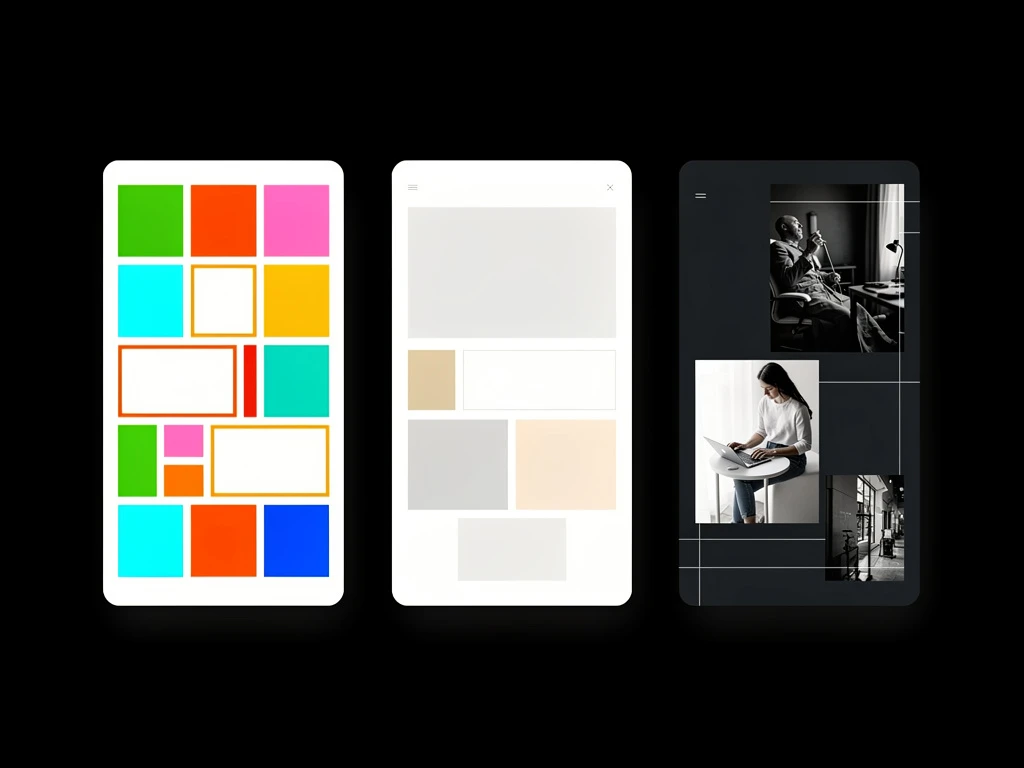
The first step in building a professional portfolio website is eliminating any elements that signal you are a beginner.
This means securing a custom domain name (yourname.com) and ditching any free subdomains. It also means setting up a professional email address (booking@yourname.com) rather than a standard Gmail account. Finally, ensure your website is completely free of banner ads or third-party branding. Your brand must be the only thing on the screen.
2. Implement Ruthless Curation
Professionals do not show every piece of work they have ever done; they show only their absolute best.
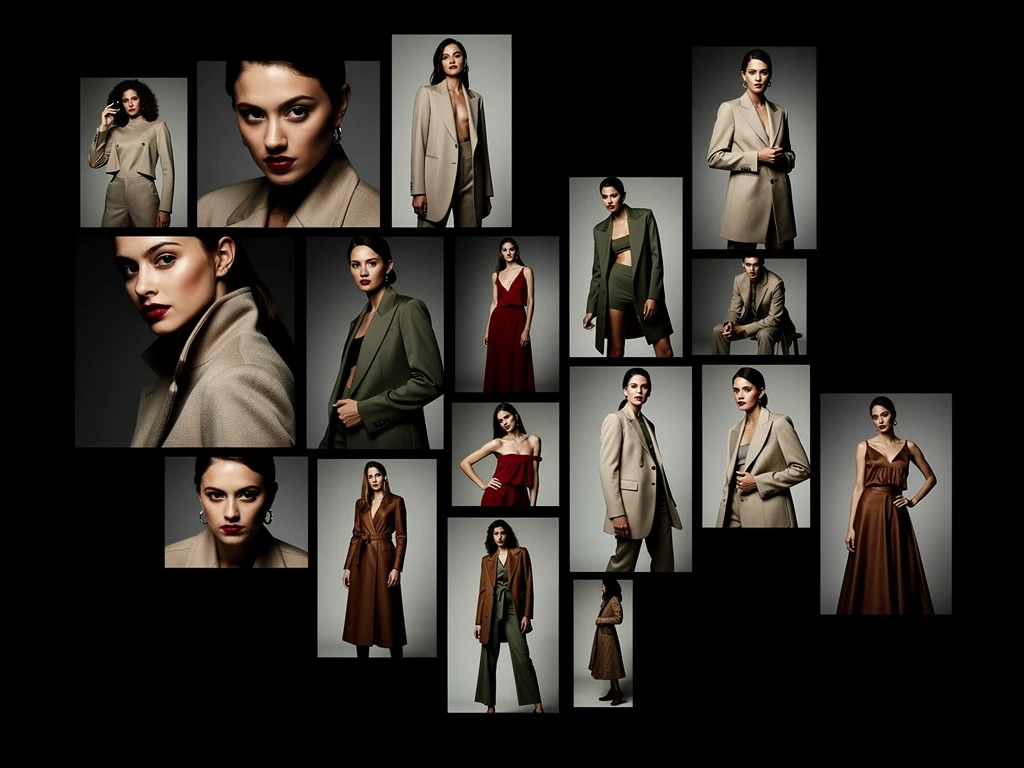
A massive gallery of 60 mediocre photos will destroy your credibility. An art director will judge your entire capability based on the weakest photo in the gallery. Select only your top 10-15 images that showcase flawless technical execution. If a photo has bad lighting or poor styling (even if the makeup is okay), leave it off your site.
3. Prioritize Navigation and User Experience (UX)
A professional website respects the client's time. A busy commercial producer will not spend five minutes trying to figure out where you are located or what services you offer.
Your navigation must be instantly intuitive. Clearly separate your work by discipline:
- Commercial / Advertising
- Beauty / Skincare
- Bridal / Event
- SFX / Cinematic
Ensure your "Contact" page is visible from every single page on the site, allowing a client to reach out the moment they decide they want to hire you.
4. Prove Your Expertise with Context
A true professional doesn't just upload a photo; they provide context.
When displaying a major editorial spread, include a brief description of the project. Mention the publication, the lead photographer, and the creative brief you were given. This demonstrates that you understand the collaborative nature of a set and that you can execute a specific creative vision, which is exactly what commercial directors look for when hiring.
Building an elite digital presence is the fastest way to elevate your career and your rates. With Portfoliobox, you can create a stunning, professional portfolio website designed specifically for creatives in minutes — no coding required.