Breaking into the video game or animation industry as a character designer is brutally competitive. When a Lead Art Director at a massive AAA studio opens their email inbox, they are typically staring at hundreds of digital portfolio links.
They do not have thirty minutes to casually browse your website. They have approximately fifteen seconds. In those fifteen seconds, if your portfolio structure forces them to hunt for specific industry-standard deliverables, or if it is bloated with Fan Art, they will close the tab and move onto the next applicant.
To survive the initial screening and secure a studio interview, your character design portfolio must be hyper-organized and tailored exactly to video game production pipelines. Here is the undeniable structural blueprint.
Stop Front-Loading Finished 'Splash Art'
A massive mistake junior character designers make is building their entire portfolio out of fully rendered, highly polished "Splash Art" (dynamic, illustrated promotional images in full lighting).
While Splash Art proves you understand rendering and color theory, it actually tells a game studio very little about your design capability. A character designer's job is rarely producing the final promotional poster; their job is to create the functional blueprints that 3D modelers and animators will eventually use to build the game assets.
Your portfolio must center entirely around the blueprint. A beautiful Splash Art rendering should serve only as an appetizer; the core of your digital galleries must immediately dive into production-ready orthographics.
The Mandatory Anatomy of a Portfolio Project
When organizing a character project on your website, never just upload a single image and move on. You must build out a 'Production Case Study' for that character.
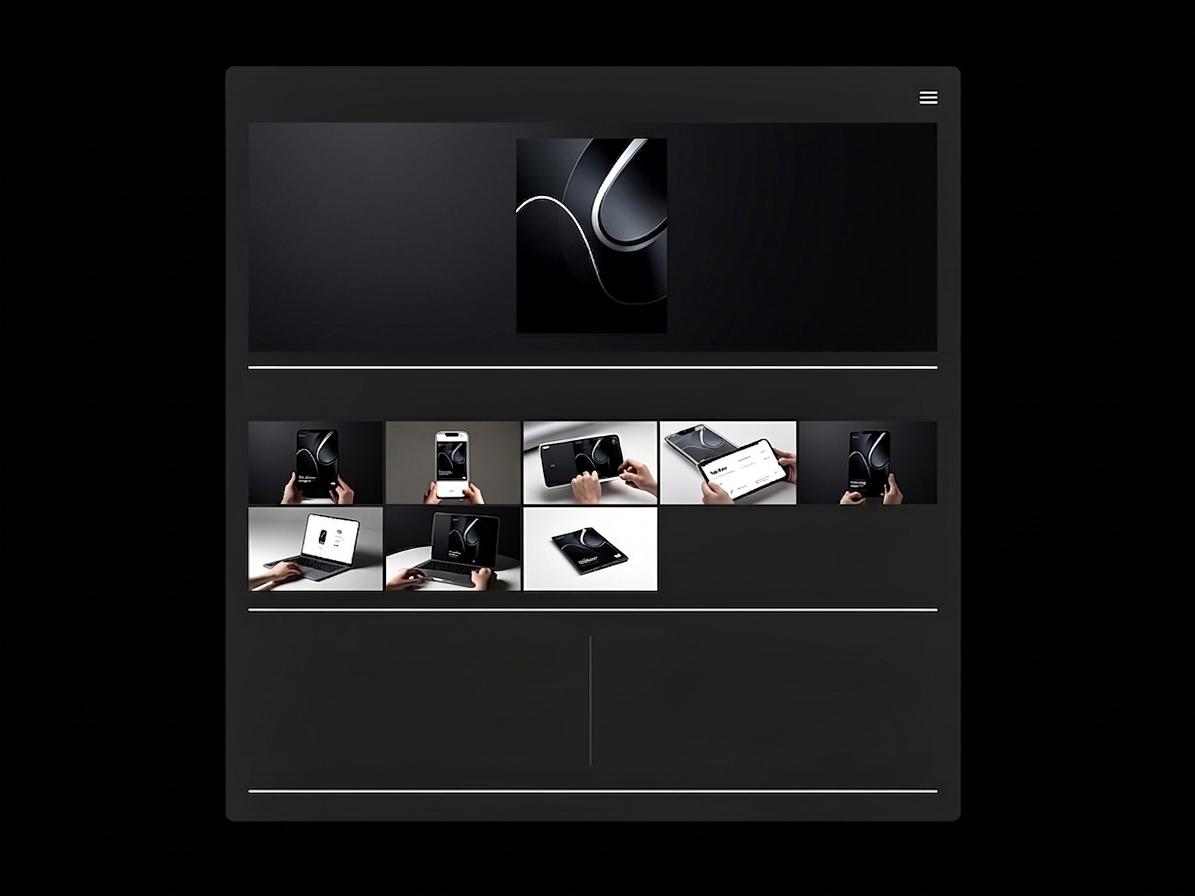
A professional game studio art director wants to scroll down a single page and see the following chronological sequence:
- The Final Design: A clean, unshaded line-art or flat-color presentation of the finished character to demonstrate the silhouette instantly.
- The Turnaround Sheet: Include a strict 3-point or 5-point turnaround (Front, 3/4, Side, Back). This proves to the studio that you think in three-dimensional space and that your designs can actually be modeled.
- Expression and Callout Sheets: Detail specific material treatments (e.g., "This armor is rusted iron, not leather") and demonstrate how the character's facial features warp under extreme emotional distress.
- Rough Exploration Sketches: At the very bottom, include your initial, messy silhouette explorations. Studios want to see the "failed" designs to understand your iterative thinking process.
Culling the Fan Art and 'Style' Confusion
Unless you are explicitly applying to work on a specialized IP (like a Marvel or Star Wars game), having a portfolio dominated by Fan Art is generally considered an amateur red flag. Studios want to see your original intellectual property and unique problem-solving skills, not your ability to accurately redraw an anime character that someone else already designed.
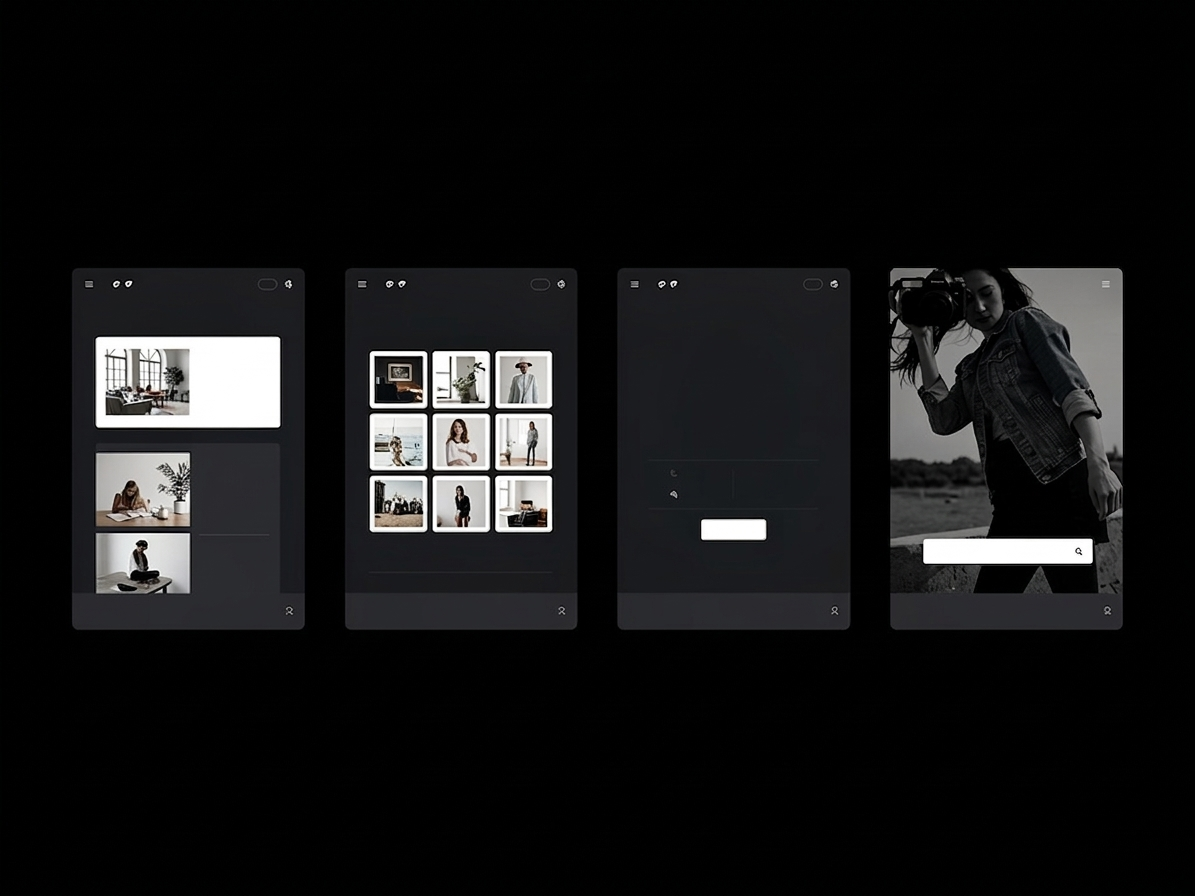
Furthermore, your homepage grid must demonstrate a focused design style. If your portfolio jumps violently between ultra-realistic dark fantasy monsters, flat-shaded vector mobile game characters, and 1930s rubber-hose cartoons, you are hurting your chances. While studios appreciate versatility, they usually hire for specific project styles. Separate these clashing styles into distinct, isolated galleries via your main navigation so the Art Director isn't visually confused.
Clean Delivery and Instant Loading
Do not let your website design distract from your character design.
If an Art Director clicks your link and has to wait for a spinning "loading percentage" graphic, or if your cursor physically turns into a custom animated sword, you have already lost the job. The games industry despises slow, heavy portfolio templates. Your website should load instantly, utilize an incredibly minimal white or dark gray background, and feature absolutely zero transition animations.
Getting hired by a leading game studio means proving you understand the production pipeline natively. Build a frictionless, wildly professional character design home utilizing Portfoliobox, separating your complex turnarounds from your splash art in beautiful, unmetered grids — no coding required.