In the highly competitive fields of animation, gaming, and illustration, being able to draw beautifully is merely the baseline. Art directors aren't just looking for pretty pictures; they are looking for problem solvers who can create living, breathing personalities that serve a specific narrative.
If you want to break into the industry, your character design portfolio must demonstrate versatility, consistency, and a deep understanding of storytelling. Here is a step-by-step guide to structuring a portfolio that gets you noticed.
Step 1: Show the Turnaround and Expressions
The biggest mistake junior designers make is only showing characters in one dynamic pose. While a splash art piece is great for a cover image, a studio needs to know if that character can actually be animated or modeled.
Every major project in your character design portfolio should include a standard model sheet. Show the character from the front, side, and back (the turnaround). More importantly, include an expression sheet. Can your character look terrified, overjoyed, or deeply suspicious? Expressions prove you understand acting and personality, not just anatomy.
Step 2: Demonstrate Versatility in Style
While it's important to have a distinct personal voice, studios often require designers to adapt to the specific art direction of a project. Your portfolio should prove you aren't a one-trick pony.
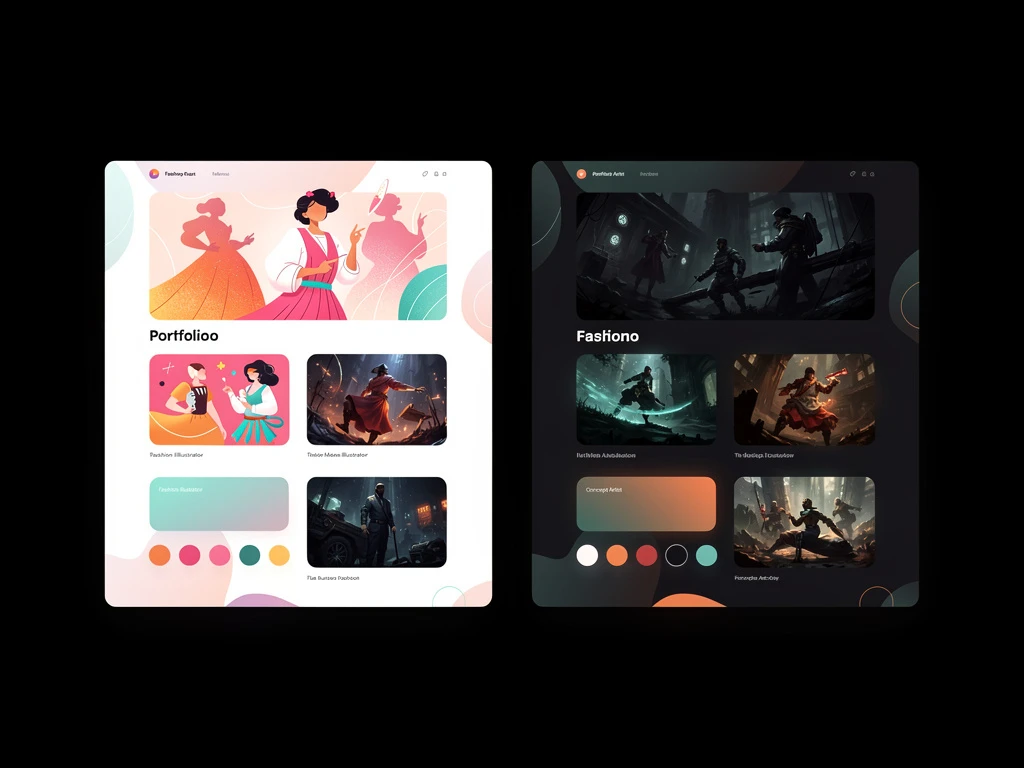
Include projects that showcase different stylistic approaches. Have a project geared toward stylized, shape-driven 2D animation, and another that leans into more realistic, heavily rendered concept art for games. This breadth makes you a much safer and more valuable hire for an art director.
Step 3: Reveal Your Exploratory Process
Studios want to see how your brain works. Don't just upload the final, polished character. Show the messy exploration phase.
Include a page of silhouettes where you explored different body types and proportions. Show the iterative sketches where you tweaked the costume or the hairstyle. Demonstrating that you explore multiple options before settling on a final design shows maturity and a willingness to iterate—crucial traits in a studio environment.
Step 4: Give Them Context
A character floating in white space tells only half the story. Whenever possible, show your characters interacting with their world or with other characters. Include a prop they carry or a brief description of their backstory. Context grounds the design and proves you are thinking about the broader narrative requirements of the project.
Building your portfolio doesn't have to be complicated. With Portfoliobox, you can create a stunning portfolio website in minutes — no coding required.