When I was a junior in high school, I had one obsessive goal: I wanted to be a professional freelance illustrator. I spent hours every night drawing, but my work was scattered. One day I was drawing anime characters, the next day I was painting watercolor landscapes, and the day after that I was trying to design logos.
Like most young artists, I thought that "being good at everything" was the key to success. I was wrong. The reality of the commercial illustration industry didn't hit me until I was forced to compile my AP 2D Art and Design portfolio. That academic requirement fundamentally changed how I viewed my art, and mastering its strict structural rules actually resulted in me booking my first paying commercial client before I even graduated. Here is the story of how it happened, and how you can use the same strategy to build a career.
The Turning Point: The "Sustained Investigation"
The most terrifying part of the AP 2D Art and Design portfolio is the "Sustained Investigation." The College Board requires you to submit 15 pieces of art that all explore a single, cohesive thematic question. You cannot just submit a random collection of your "best" drawings.
I was forced to stop bouncing between styles. I chose to focus my sustained investigation on dark fantasy environment illustration. For months, I painted nothing but ruined castles, glowing magical forests, and desolate wastelands.
At first, I felt restricted. But then, something amazing happened. Because I was focusing entirely on one specific niche, my technical skill in that area skyrocketed. More importantly, my body of work suddenly looked cohesive. It didn't look like a student's sketchbook anymore; it looked like the portfolio of a specialized environment artist.
The Power of Showing the Process
The second requirement of the AP portfolio is that you must show your process. You have to submit images of your sketches, revisions, and materials to prove how your ideas evolved.
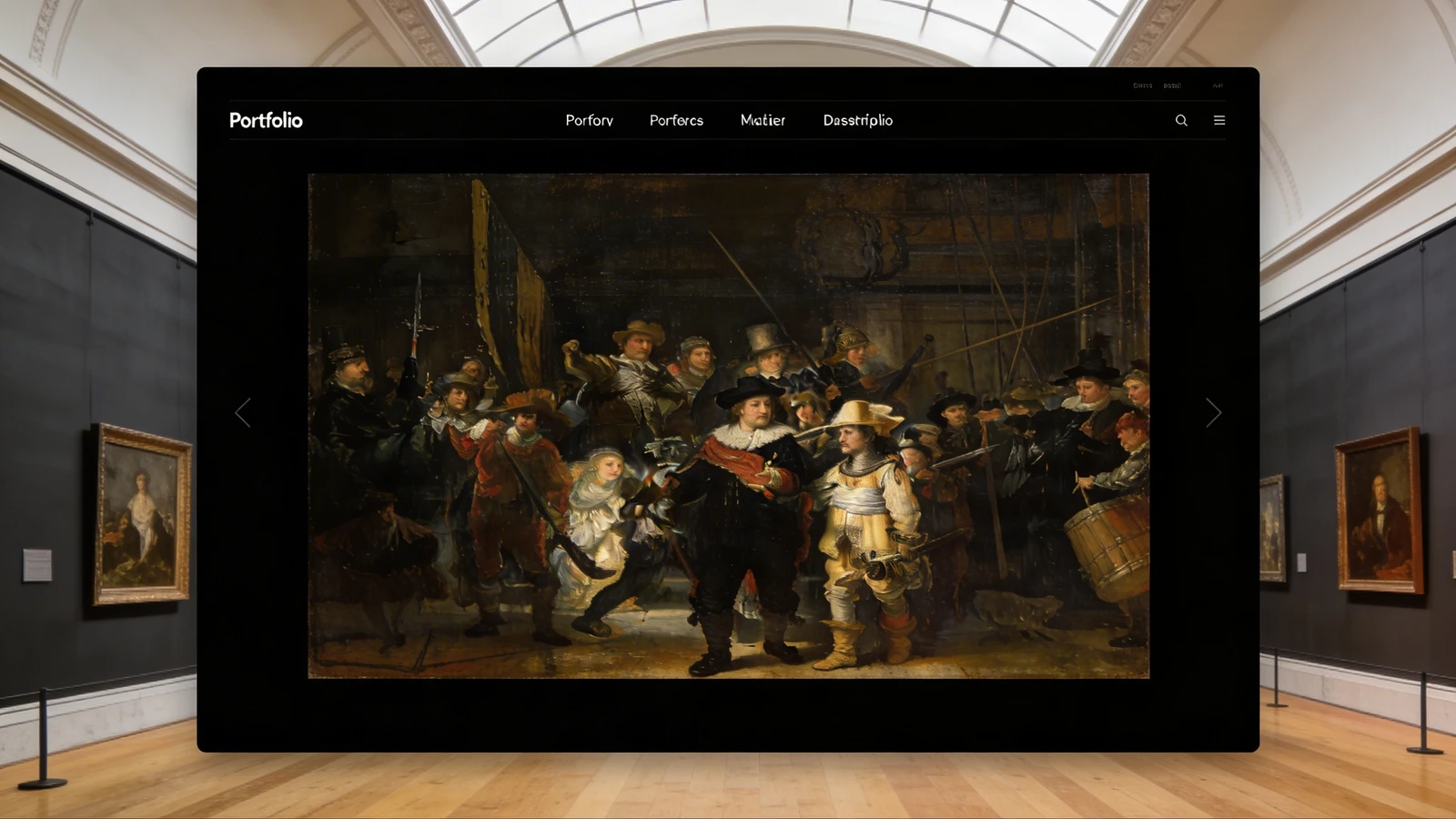
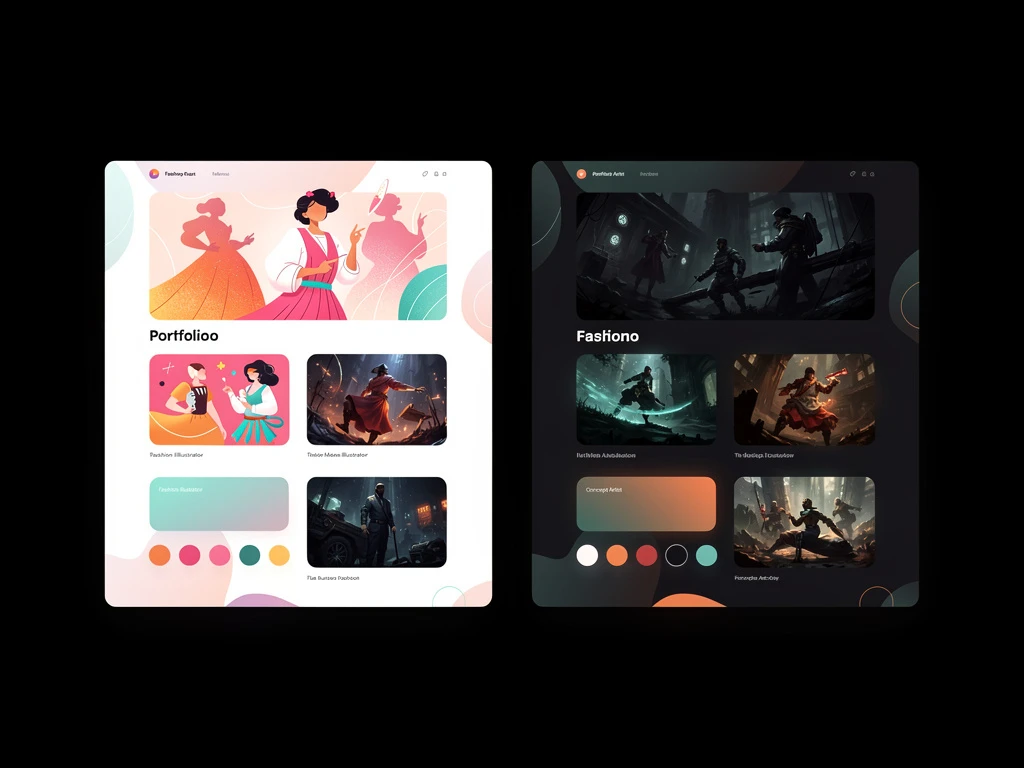
When I finally launched my first online portfolio website, I decided to keep this structure. Instead of just uploading the final fantasy landscapes, I created dedicated project pages. I showed my rough thumbnail silhouettes, the color scripts I tested, and the final highly-rendered painting. I added text explaining the exact mood I was trying to capture.
The First Booking
I started sending the link to my new, highly curated website to indie tabletop game developers on Twitter.
Within a month, I received an email from a small indie publisher looking for location artwork for their new RPG module. They didn't care that I was a high school student. In their email, they specifically cited my website's structure: "We loved seeing the sketch progression on your site. It shows us you know how to iterate on an idea, which is exactly what we need for this project."
The Lesson for Freelancers
The AP 2D Art and Design portfolio is not just a high school assignment; it is a masterclass in professional branding.
- Niche Down: Art directors hire specialists. A cohesive gallery of 10 related images is infinitely more powerful than a chaotic gallery of 50 random drawings.
- Show Your Math: Proving your process reduces the client's risk. It shows them you are a reliable problem solver, not just someone who got lucky with a good painting.
If you want to transition from a student to a working professional, you need a platform that supports this high-end structure. With Portfoliobox, you can effortlessly implement the "Sustained Investigation" layout, building an agency-grade illustration website in minutes — no coding required.