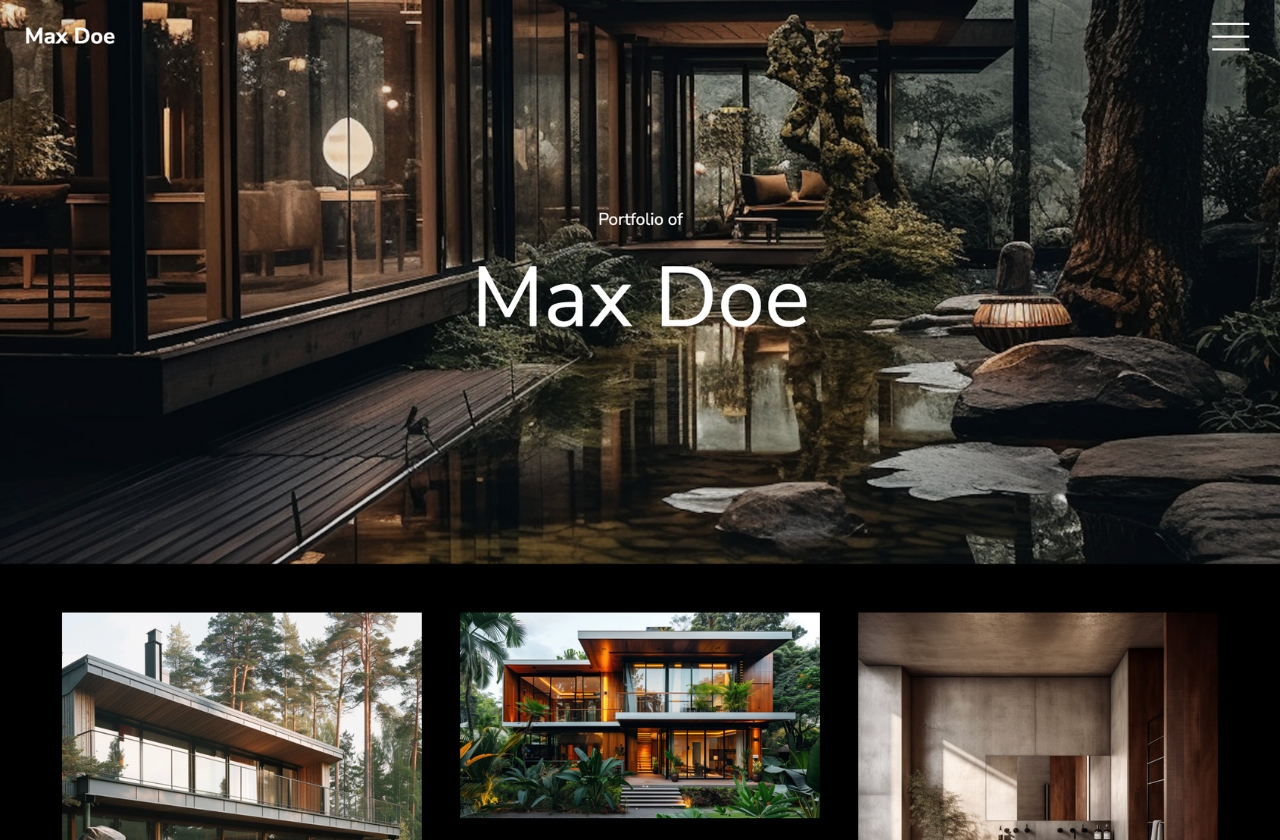
Why structure matters in an architect portfolio website
Architect portfolios need to communicate more than striking visuals. They must convey design thinking, spatial awareness, and the intent behind each project. A successful architect portfolio website helps visitors understand not only the final result, but also the process that led to it.
Architecture is complex by nature. Without a clear structure, even the strongest projects can feel overwhelming online. The best architect portfolio websites balance strong imagery with clarity and organisation. By guiding visitors through projects in a logical way, architects can present layered ideas clearly and professionally.
Letting architectural work speak through minimal design
www.nemastudio.com is a strong example of how large visuals and restrained navigation allow architectural work to take centre stage. The homepage immediately introduces projects through bold imagery, while the structure keeps distractions to a minimum.
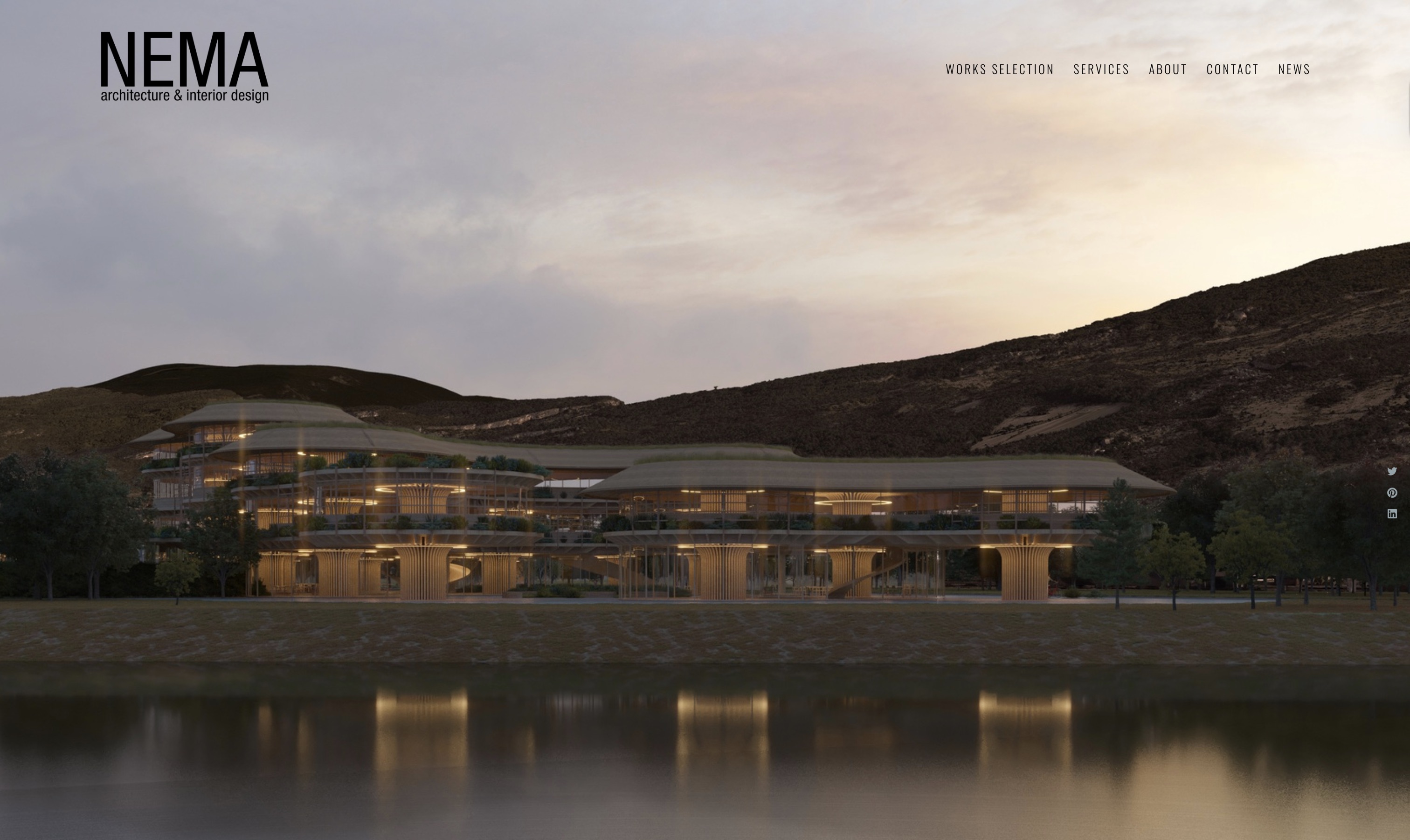
Each project is presented with space and clarity, allowing form, materiality, and composition to stand out. The minimal interface supports the content rather than competing with it. This approach creates a calm, focused viewing experience that reflects architectural precision.
For architecture and interior design studios, this type of presentation builds credibility. It shows confidence in the work and allows visitors, whether clients or collaborators, to engage deeply with each project.
Organising projects to communicate scope and scale
www.studiokennsk.com demonstrates how organising projects clearly can communicate both scope and identity. Projects are grouped in a way that highlights different typologies and design approaches without overwhelming the visitor.
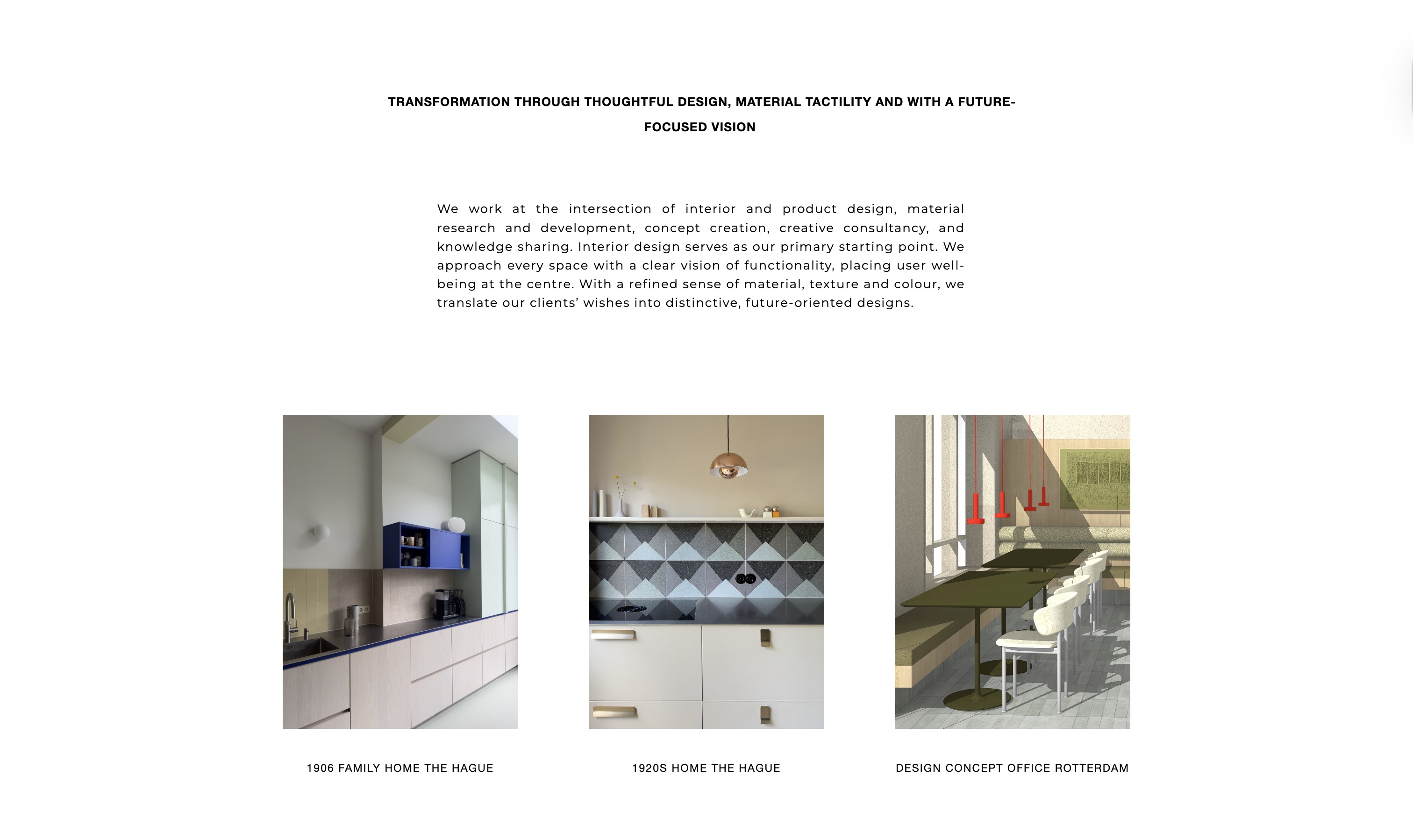
Clear categorisation helps users quickly understand the studio’s range, from residential to public or conceptual work. At the same time, each project page offers depth for those who want to explore further.
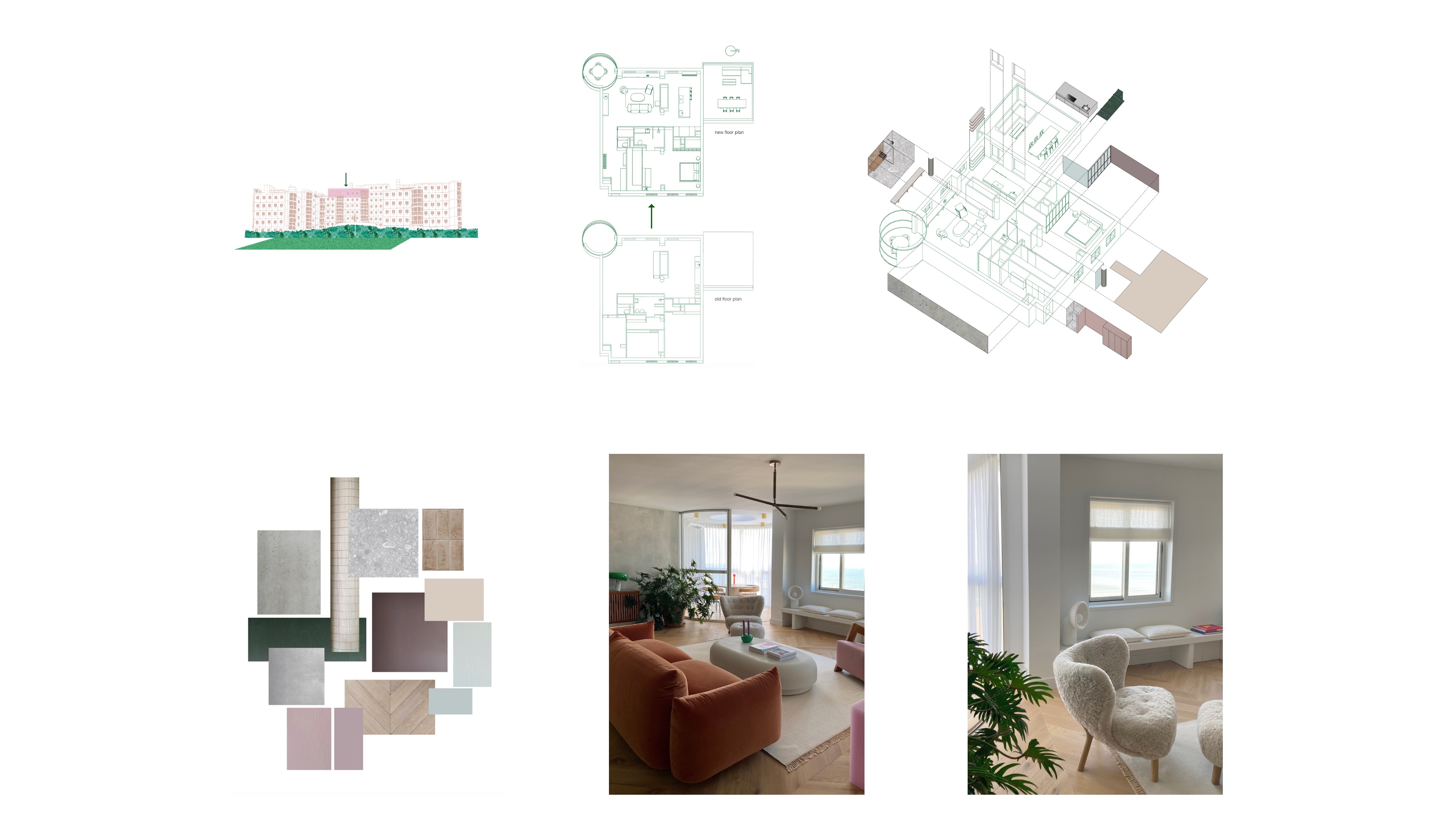
This balance between overview and detail is essential in an architecture portfolio website. It allows potential clients to quickly assess expertise while still showcasing technical and creative depth.
Presenting interior architecture with clarity and refinement
Interior architecture requires a slightly different presentation approach, and www.charlottefequet.com illustrates this beautifully. The portfolio focuses on atmosphere, spatial flow, and material details, presented in a clean and cohesive layout.
Images are curated thoughtfully, creating a visual rhythm that mirrors the experience of moving through a space. Rather than overcrowding pages, the portfolio uses pacing and structure to guide the viewer naturally.
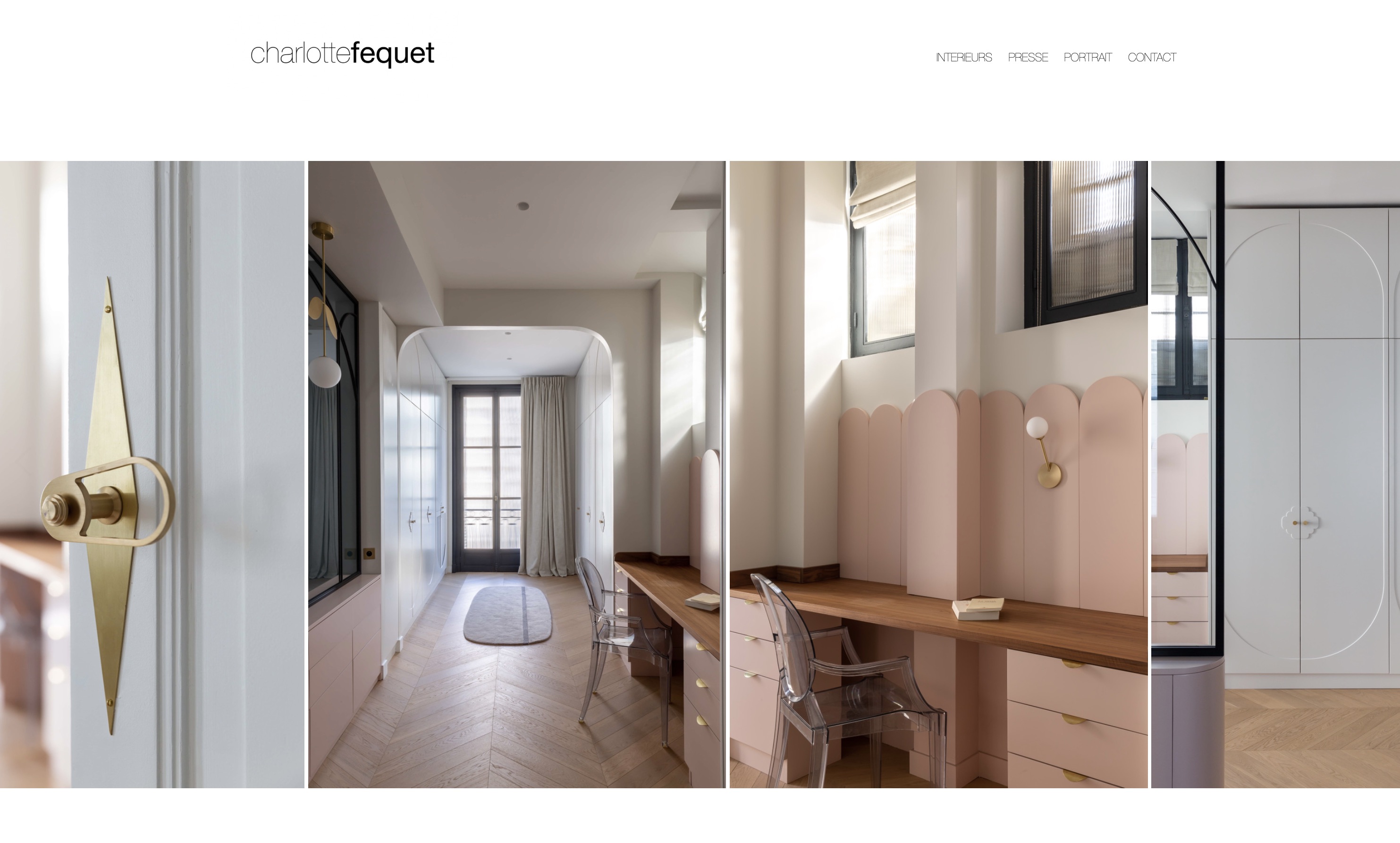
For interior architects, this type of clarity reinforces professionalism and design sensitivity, qualities that are essential when attracting residential or commercial clients.
Showcasing 3D visualisation and conceptual work effectively
For studios specialising in architectural visualisation and 3D projects, presentation is even more critical. www.hevastudio.com demonstrates how digital architecture and conceptual work can be showcased with clarity and visual impact.
The portfolio highlights large, high-quality renders that immediately communicate technical skill and spatial storytelling. The structure allows viewers to focus on lighting, material realism, and composition without distraction.
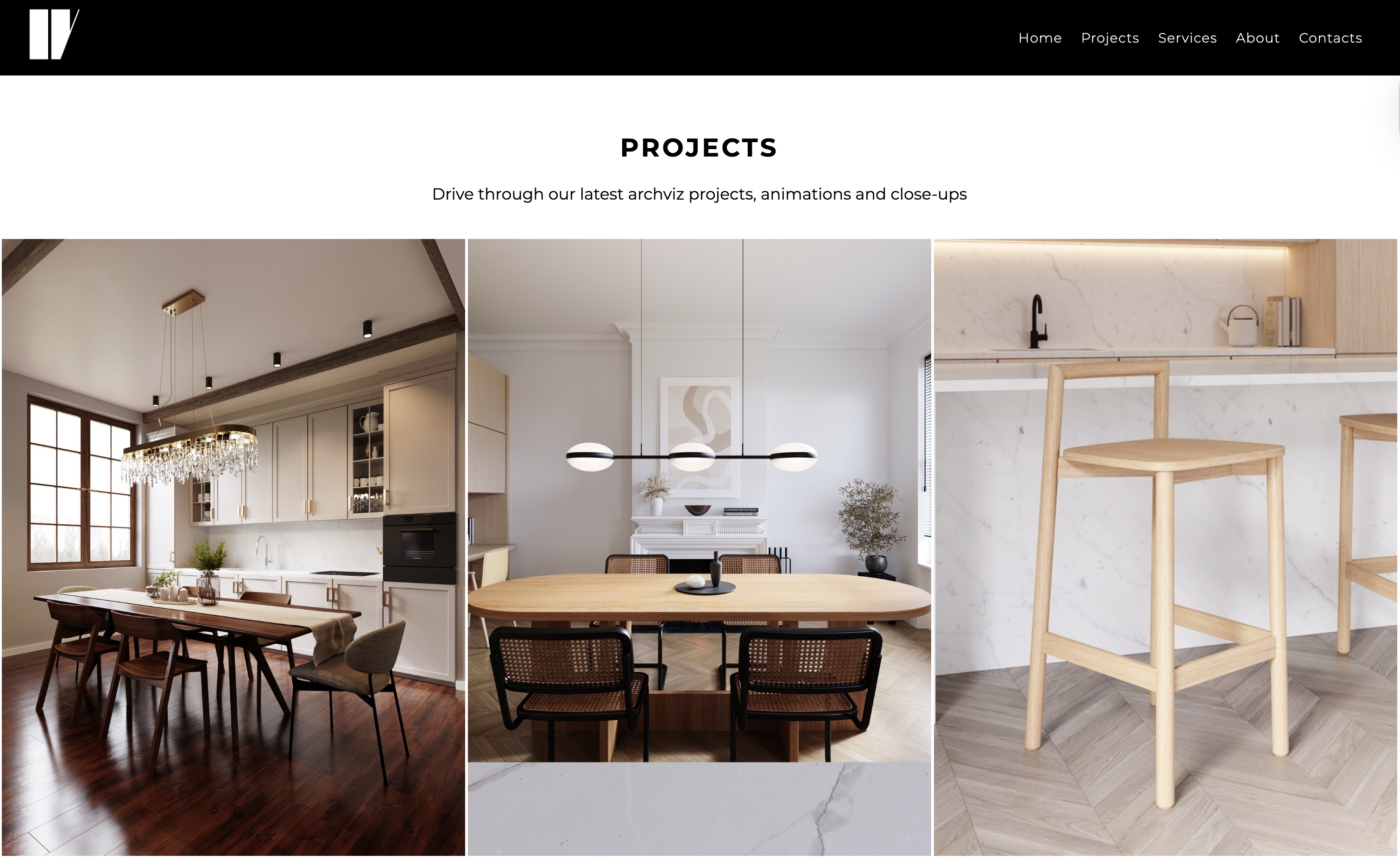
Because 3D visualisation is often about conveying unbuilt ideas, a clear and intentional portfolio layout becomes essential. By presenting renders within a structured and professional framework, the studio communicates both creativity and technical mastery.
Visual hierarchy turns complexity into clarity
Across these architect portfolio examples, one key principle stands out: clear structure and visual hierarchy are essential when presenting complex work online. Thoughtful organisation, consistent layouts, and intentional navigation help transform detailed architectural projects into an accessible and engaging viewing experience.
A well-structured architect portfolio website does more than showcase completed buildings or renders. It communicates vision, methodology, and expertise in a way that clients, collaborators, and institutions can immediately understand.
By combining thoughtful layout with high-quality presentation, architecture and interior design studios can create portfolio websites that feel as carefully designed as the spaces they build.