Why an artist portfolio website matters
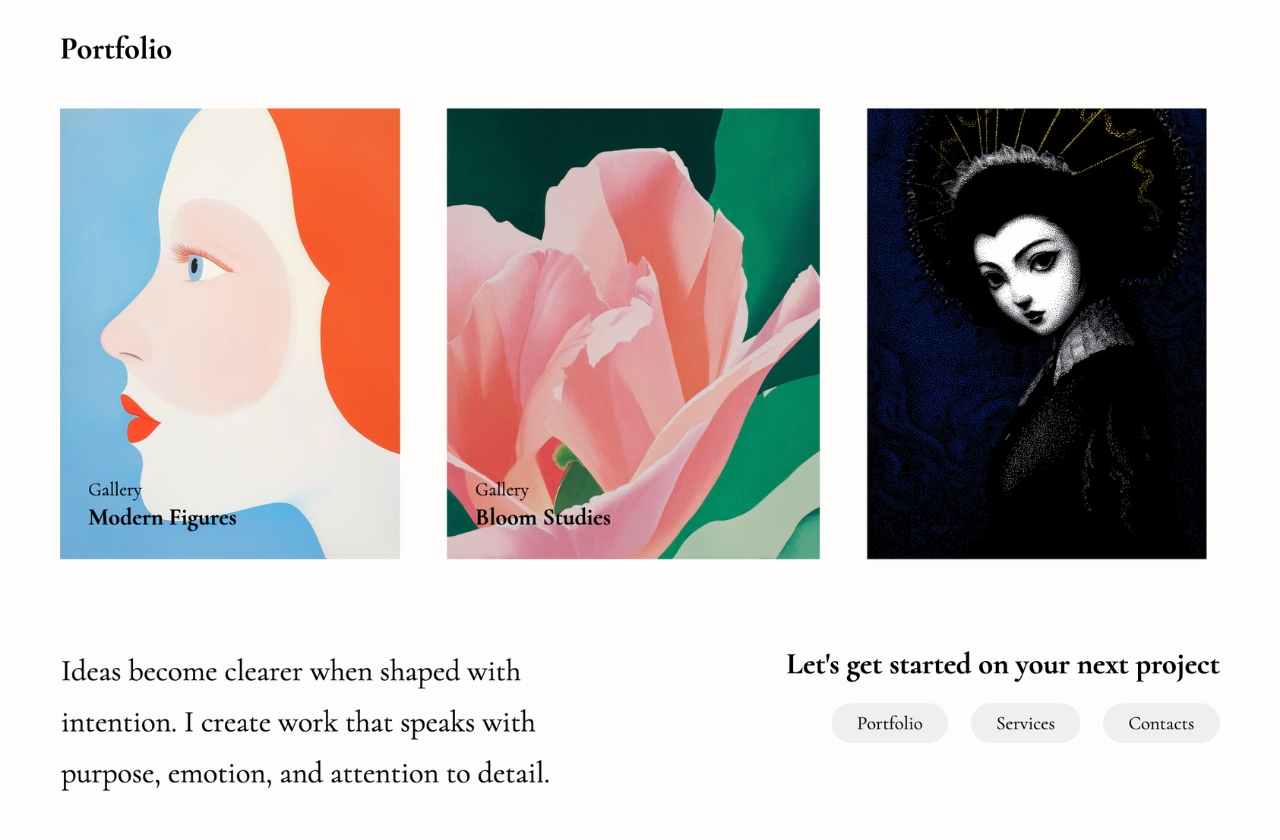
For artists, a portfolio website is often the first point of contact with galleries, collectors, curators, and potential collaborators. Before an email is answered or a conversation begins, your portfolio is already speaking on your behalf. That’s why the strongest artist portfolios do more than display artwork; they communicate identity, intention, and artistic voice.
A well-crafted artist portfolio website helps visitors understand not only what you create, but who you are as an artist. It creates context, builds trust, and invites viewers to spend time with your work.
Letting artwork breathe through a thoughtful layout
www.soizicmenut.com is a strong example of how collage and mixed-media work can be presented with clarity and restraint. The portfolio uses generous spacing and a clean structure that allows each piece to stand independently. Rather than overwhelming visitors with too many works at once, the layout encourages slow viewing and attention to detail.
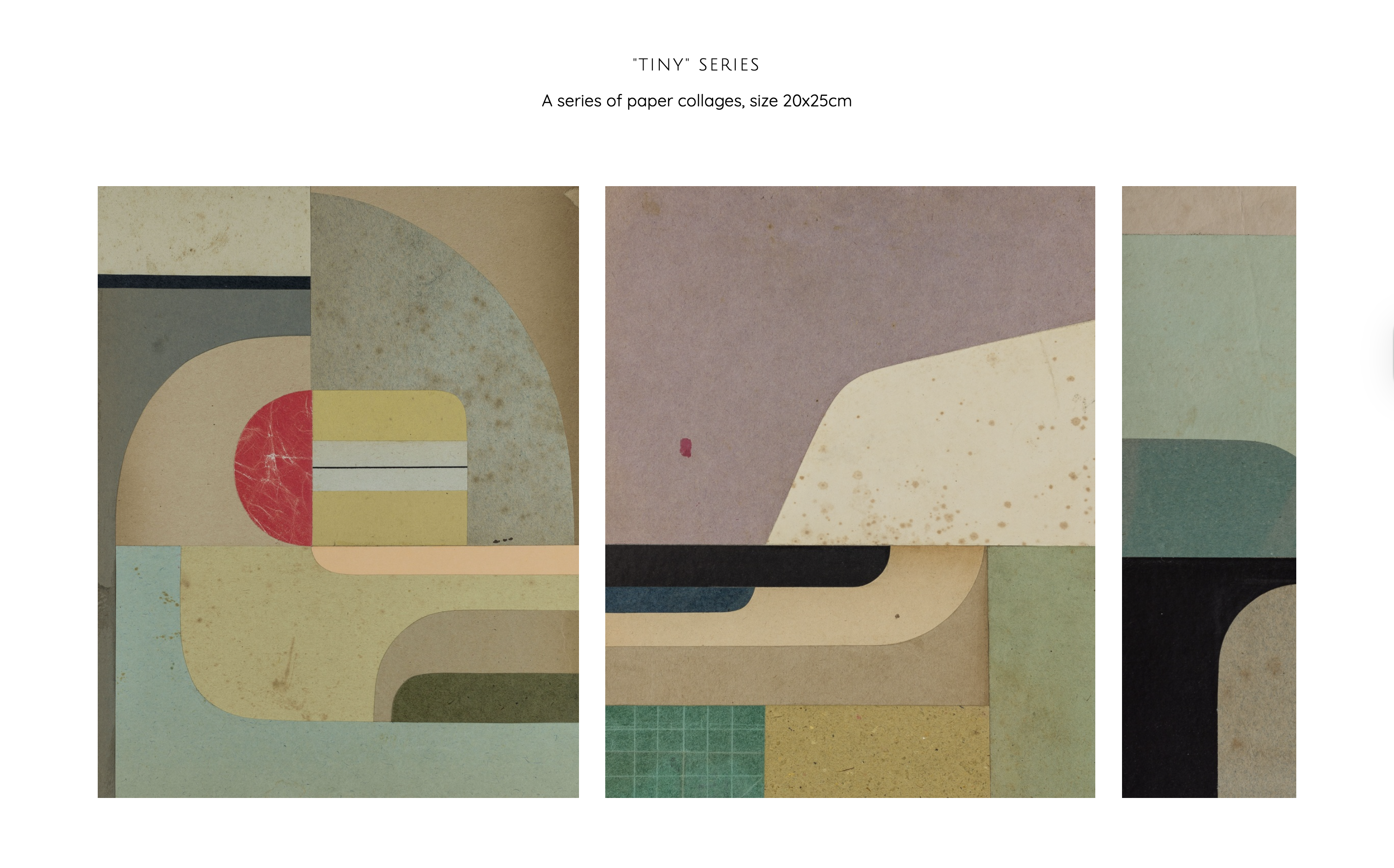
The collage pieces are presented in a way that highlights texture, composition, and contrast. By keeping the surrounding design minimal, the portfolio allows the artwork to remain the focal point. This thoughtful presentation reinforces the artist’s visual language and makes the portfolio feel curated and intentional.
Translating physical art into a digital experience
Showing physical artwork online can be challenging, but www.ninaaidaskeramik.com demonstrates how beautifully this can be done. As a ceramic artist, the portfolio relies on simple gallery layouts and consistent photography to highlight texture, shape, and material.
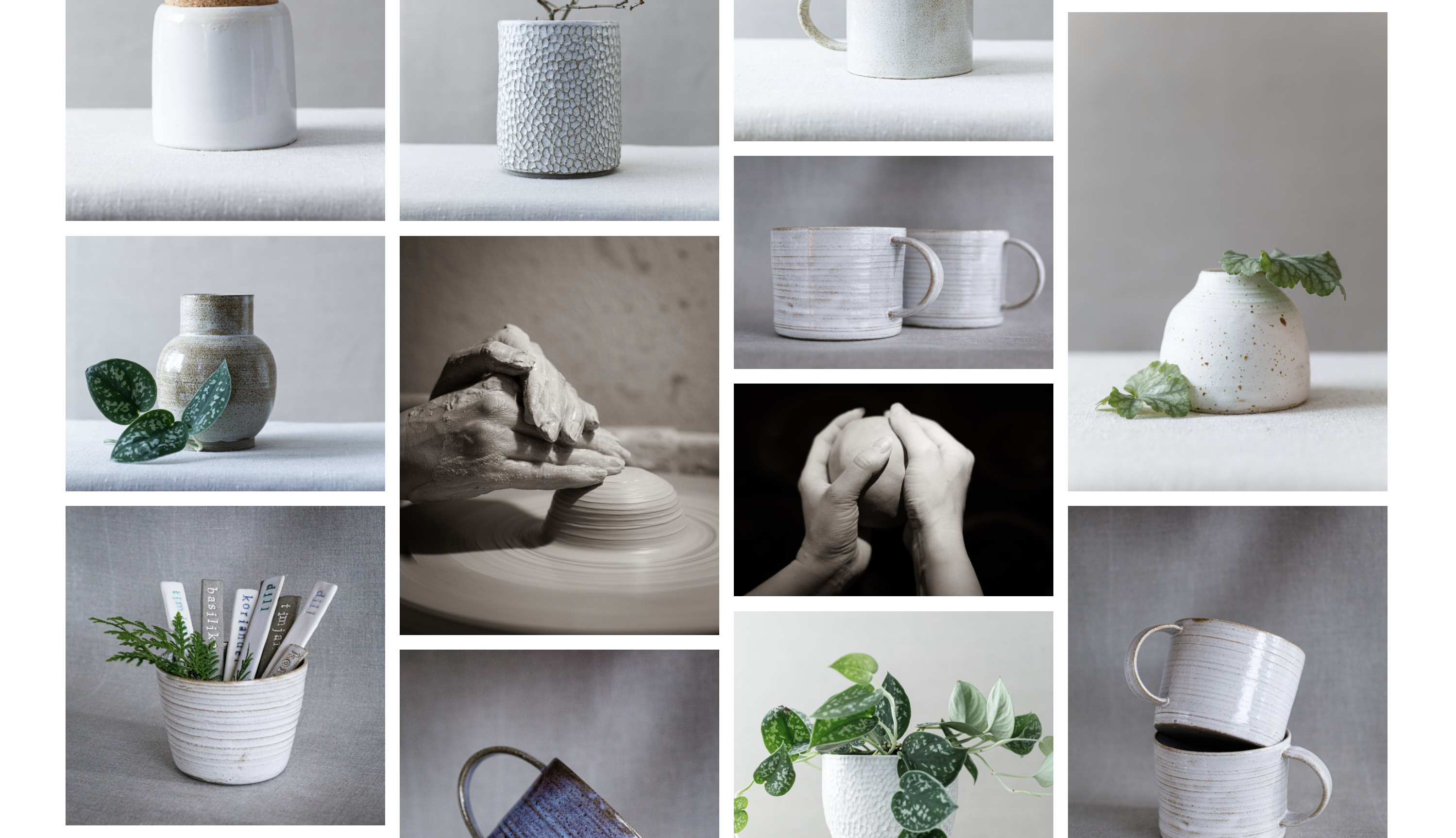
The neutral presentation keeps the focus on the work itself, allowing visitors to appreciate form and craftsmanship. This clarity helps bridge the gap between physical objects and digital viewing, making the portfolio feel both accessible and professional.
Adding context to strengthen artistic connection
While visuals are essential, context can add depth to an artist’s portfolio. www.eliurpi.com presents artwork in a way that combines strong imagery with a clear artistic identity. The structure of the portfolio supports the narrative behind the work, allowing visitors to understand both the aesthetic style and the conceptual direction.
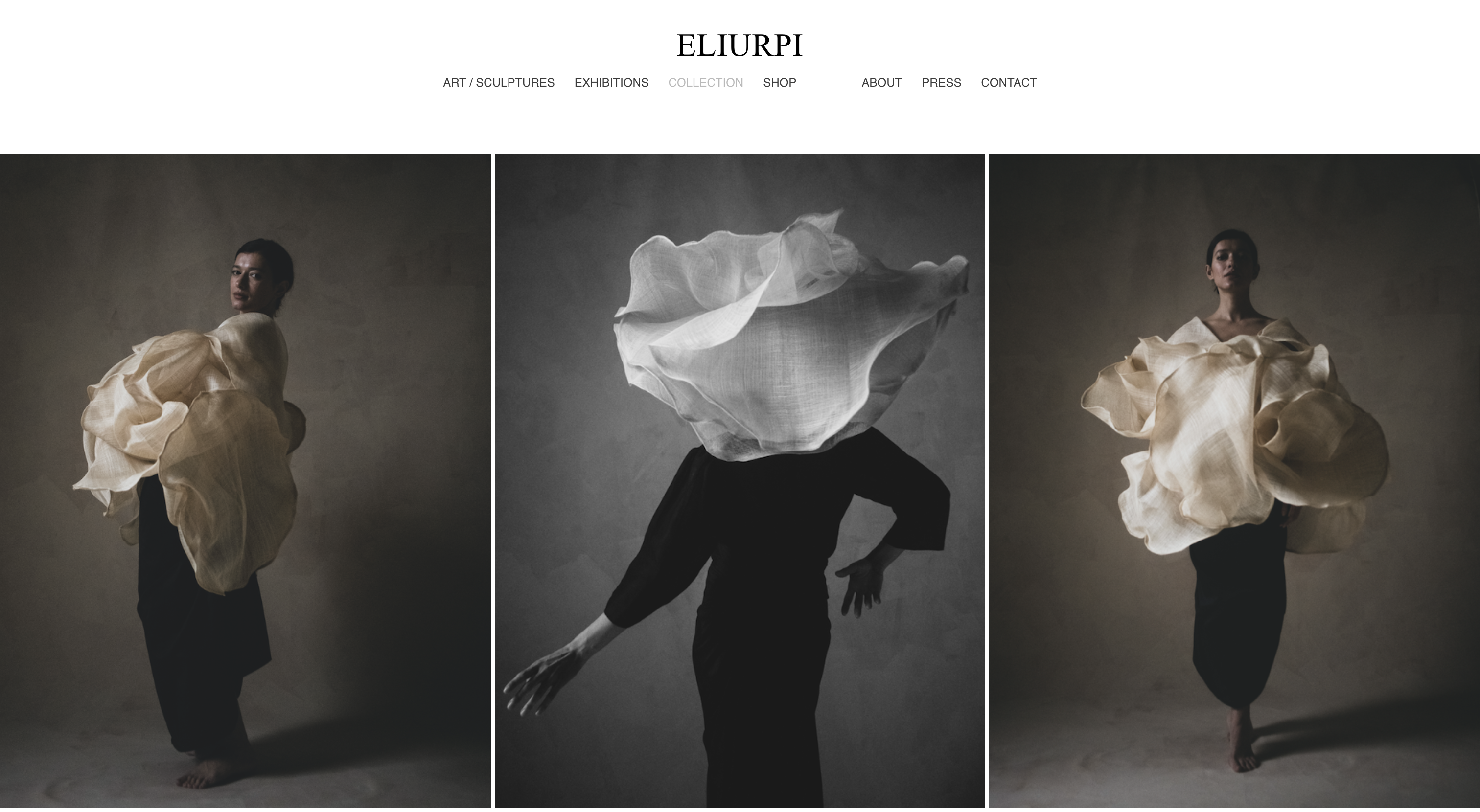
Projects are organised in a way that feels cohesive and intentional, reinforcing the artist’s vision. By offering insight into themes and creative focus, the portfolio creates a stronger emotional connection and encourages visitors to engage more deeply with the work.
Integrating a shop without compromising presentation
Another strength shared by these artist portfolio examples is the ability to integrate a shop directly into the portfolio. Rather than separating creative work from commerce, Portfoliobox allows artists to sell pieces, prints, or limited editions within the same visual environment.
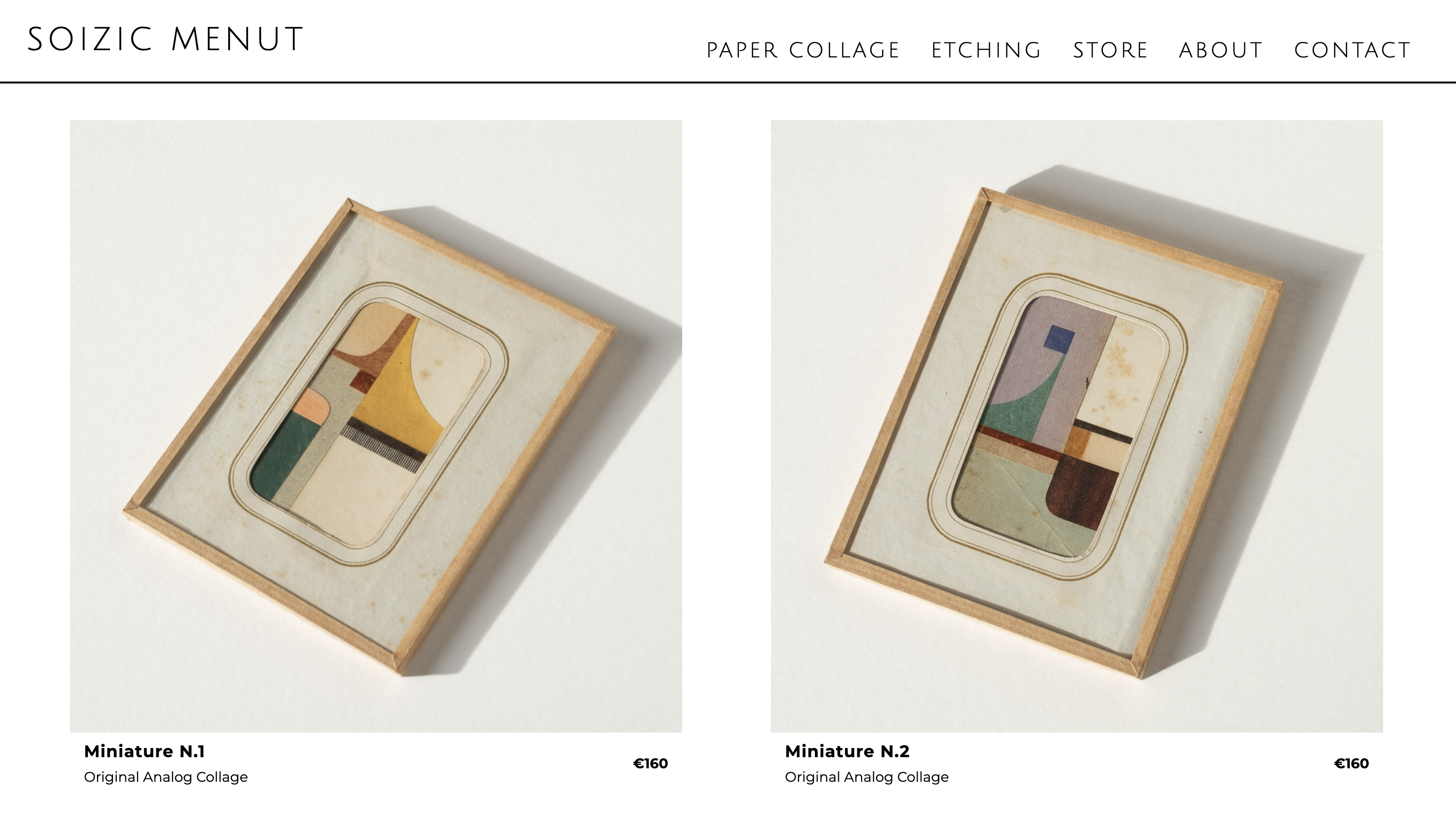
When a shop follows the same clean layout and design principles as the portfolio galleries, it feels like a natural extension of the artist’s practice. Visitors can move from discovering artwork to purchasing it without friction or disruption. This seamless integration is particularly powerful for artists who want to turn visibility into sustainable income.
By combining presentation and e-commerce within one cohesive artist portfolio website, Portfoliobox makes it possible to showcase work professionally while also supporting real business opportunities.
Clarity and consistency create opportunity
Across these artist portfolio examples, a common theme emerges: clarity and consistency matter just as much as creativity. Clean layouts, cohesive presentation, and intentional structure help visitors engage with the work more easily.
A well-structured artist portfolio website doesn’t overwhelm; it invites exploration. By guiding viewers through your work with purpose, your portfolio becomes more than a showcase. It becomes a tool for turning casual interest into real opportunities.